

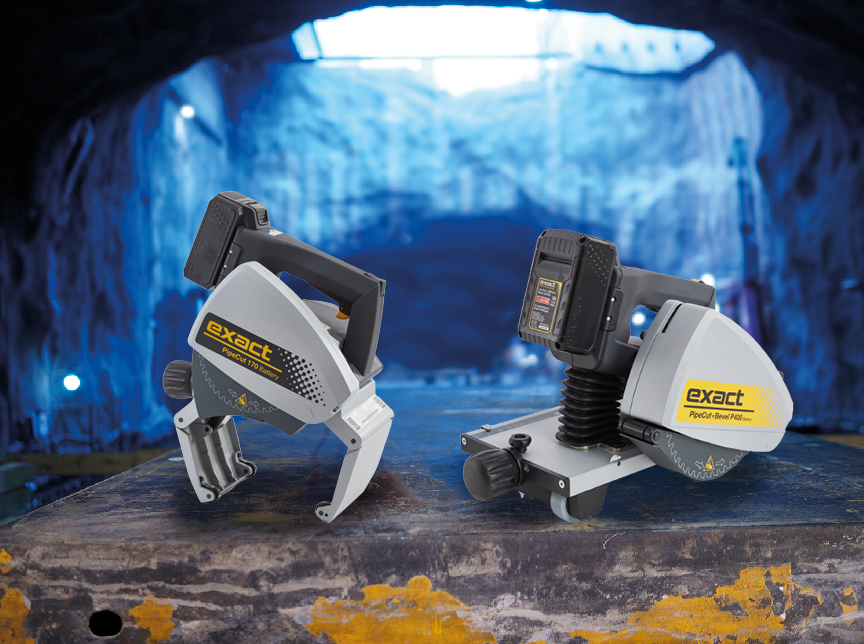
Pipe sawing represents a major advancement in industrial pipe-cutting technology, transforming how professionals approach construction and plumbing projects. Unlike traditional cutting methods that often leave rough edges and require extensive finishing work, modern pipe sawing delivers precise, clean cuts that are ready for joining immediately. This cutting method has become essential across the construction, plumbing, and industrial sectors, where accuracy and efficiency directly affect project timelines and costs. Whether you’re working with steel, plastic, copper, or multilayer pipes, understanding pipe sawing techniques and professional pipe cutting solutions can significantly improve your workflow and results.
What is pipe sawing and why it matters
Pipe sawing refers to a specialised cutting method that uses rotating blades designed specifically to cut through various pipe materials with precision and speed. This technique differs fundamentally from conventional approaches by using dedicated pipe-cutting tools that clamp around the pipe’s circumference, ensuring perfectly straight, perpendicular cuts every time.
The importance of proper pipe sawing extends far beyond simple material separation. In construction and industrial applications, the quality of pipe cuts directly affects joint integrity, system pressure ratings, and overall installation reliability. Poor cuts can lead to leaks, structural weaknesses, and costly rework that delays project completion.
Modern pipe sawing technology accommodates an extensive range of materials, including steel, stainless steel, cast iron, copper, aluminium, plastic pipes (PE, PP, PVC), and complex multilayer pipe systems. Each material requires specific blade types and cutting parameters to achieve optimal results without damaging the pipe structure or compromising its performance characteristics.
Traditional pipe cutting methods vs modern pipe sawing
Traditional pipe-cutting techniques have long relied on angle grinders, hacksaws, and reciprocating saws. While these tools remain accessible and familiar to many tradespeople, they present significant limitations in professional applications. Angle grinders, for instance, often produce uneven cuts that require substantial finishing work, generate excessive heat that can alter pipe material properties, and create safety hazards by producing sparks.
Hacksaws, though precise when used correctly, demand considerable time and physical effort, particularly on larger-diameter pipes or harder materials. The manual nature of hacksaw cutting also introduces human error that can affect cut quality and consistency across multiple pipes.
Modern pipe sawing solutions address these limitations through several key improvements. Speed is perhaps the most dramatic advancement, with professional pipe saws delivering cutting speeds up to 10 times faster than conventional approaches. This acceleration stems from optimised blade designs, proper cutting angles, and consistent feed rates that eliminate the inefficiencies inherent in manual cutting.
Accuracy improvements in modern pipe sawing ensure every cut remains perfectly perpendicular to the pipe axis, eliminating the slight angles and irregularities common with handheld tools. Safety enhancements include cold-cutting processes that produce no sparks, reducing fire hazards in sensitive environments, and enclosed cutting mechanisms that protect operators from blade contact.
Types of pipe saws and cutting blades
Pipe sawing equipment falls into several distinct categories, each designed for specific applications and working conditions. Portable pipe saws are the most versatile option, offering on-site cutting capabilities without requiring fixed installation or extensive setup. These units typically feature lightweight designs that allow single-operator handling while maintaining professional cutting performance.
Electric pipe saws provide consistent power for demanding applications and are particularly well suited to workshop environments or job sites with reliable power access. Battery-powered variants offer similar performance while eliminating cord-management issues and enabling operation in remote locations where an electrical supply may be unavailable.
Pipe-cutting blade selection is critical to achieving optimal results across different materials. Tungsten carbide-tipped (TCT) blades excel at cutting steel and stainless steel pipes, offering extended blade life and consistent cutting performance. High-speed steel blades work effectively with softer materials such as copper and aluminium, providing clean cuts without excessive material removal.
For plastic pipe applications, specialised blades with modified tooth geometry help prevent melting and chip formation that can compromise cut quality. Multilayer pipe materials require specific blade designs that accommodate varying material densities and help prevent delamination during the cutting process.
How to choose the right pipe cutting solution
Selecting the right pipe-cutting equipment requires careful evaluation of several key factors that directly affect cutting performance and operational efficiency. Material compatibility is the primary consideration, as different pipe materials require specific blade types and cutting parameters for optimal results.
Pipe diameter ranges also significantly influence equipment selection. Smaller-diameter pipes (25–100 mm) work well with compact portable units, while larger pipes (100–400 mm) may require more robust equipment with enhanced clamping systems and greater motor power. Wall thickness also affects cutting requirements, with thicker-walled pipes demanding more powerful motors and specialised blade configurations.
Portability needs vary considerably by application. Fixed workshop installations can accommodate larger, more powerful units that offer greater cutting capacity and precision. Mobile applications require lightweight, portable solutions that maintain cut quality while offering easy transport and quick setup.
Safety feature evaluation should include spark-free operation, blade guards, emergency stops, and ergonomic designs that reduce operator fatigue during extended use. These features are particularly important in industrial environments where safety regulations mandate specific operational standards.
Budget considerations must balance initial equipment costs against long-term operational benefits, including increased cutting speed, reduced labour requirements, improved cut quality, and decreased material waste. Professional-grade equipment typically offers superior performance and durability, justifying a higher initial investment through greater productivity and lower operating costs.
How Exact Tools helps with pipe sawing solutions
As a Finnish industrial tool manufacturer with more than thirty years of expertise in pipe-cutting technology, we have developed revolutionary solutions that address the most common challenges in professional pipe-cutting applications. Our PipeCut series represents the culmination of extensive research and development focused on delivering faster, safer, and more accurate cutting results.
Our innovative approach to pipe sawing technology has earned international recognition, including prestigious Red Dot Design Awards and GOOD DESIGN Awards that acknowledge both technical excellence and user-focused design. These achievements reflect our commitment to advancing pipe-cutting technology through continuous innovation and rigorous quality standards.
We offer comprehensive pipe-cutting solutions that deliver cutting speeds up to 10 times faster than traditional methods while maintaining exceptional accuracy and safety standards. Our cold-cutting processes eliminate spark production, reducing fire hazards and enabling operation in sensitive environments where traditional cutting methods would be inappropriate.
The following examples demonstrate our range of professional pipe-cutting solutions:
| Model | Pipe Materials | Diameter Range | Key Features |
|---|---|---|---|
| PipeCut P400 | PE, PP, PVC plastics | 50–400 mm | Cut and bevel in one process, 15-degree bevel capability |
| PipeBevel 220E | Steel, stainless steel | 25–220 mm | Multiple bevel angles (30°, 37.5°, 45°), portable design |
| PipeBevel 360E | Steel, stainless steel | 110–360 mm | Heavy-duty applications, consistent bevelling, built-in stopper |
Our commitment to environmental responsibility and occupational safety is demonstrated through ISO 9001, ISO 14001, and ISO 45001 certifications. These standards ensure our products meet the highest quality-management, environmental, and safety requirements while delivering the performance professional contractors demand.
We invite you to explore our complete range of pipe cutting solutions or contact our technical team for personalised consultation on selecting the optimal pipe sawing equipment for your specific applications. Our expertise can help you achieve faster cutting speeds, improved accuracy, and enhanced safety in your pipe-cutting operations.