

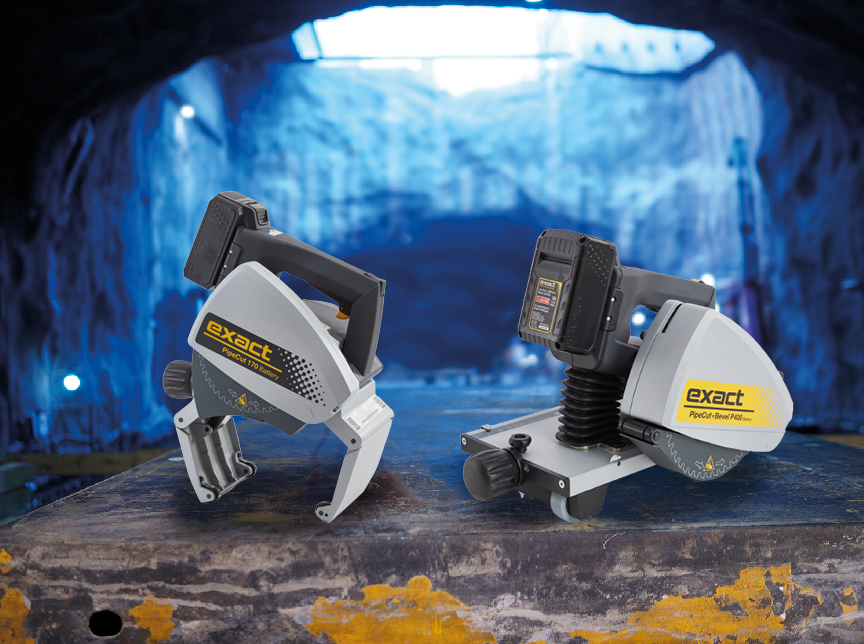
Professional pipe cutting remains one of the most critical tasks in construction and industrial applications, yet many professionals still rely on outdated manual methods that compromise both efficiency and quality. The choice between modern pipe saws and traditional manual cutting techniques significantly impacts project timelines, worker safety, and overall operational costs. Understanding these differences helps professionals make informed decisions about their pipe-cutting tools and methods.
Modern industrial pipe cutting has evolved dramatically, with advanced pipe-cutting tools offering substantial advantages over conventional approaches. Explore professional pipe cutting solutions that deliver precision, speed, and safety benefits for demanding applications. This comprehensive comparison examines the key differences between pipe saw technology and manual cutting methods, helping you choose the most effective approach for your specific requirements.
What makes pipe cutting method selection critical
Selecting the appropriate pipe cutting method directly affects project success across multiple dimensions. Poor cutting method selection leads to extended project timelines, with manual methods often requiring significantly more time per cut than modern alternatives. The quality of pipe cuts determines joint integrity, with imprecise cuts resulting in weak connections, potential leaks, and costly rework.
Worker safety considerations play a crucial role in method selection. Traditional cutting approaches often expose operators to various hazards, including sparks, debris, and repetitive strain injuries. These safety risks translate into increased insurance costs, potential downtime, and regulatory compliance challenges that impact overall project profitability.
Industry requirements for precision cuts have become increasingly stringent, particularly in sectors such as plumbing, HVAC, and industrial construction. Professional pipe cutting demands consistent results across different pipe materials, from steel and stainless steel to plastic and multilayer compositions. The consequences of inadequate cutting method selection extend beyond immediate project costs, affecting long-term system reliability and maintenance requirements.
Manual pipe cutting methods and their limitations
Traditional manual pipe cutting encompasses several established techniques, each with inherent constraints that limit their effectiveness in modern applications. Hacksaws represent the most basic approach, requiring significant physical effort and time investment. A typical steel pipe cut using a hacksaw can take 10–15 minutes, depending on diameter and wall thickness, with results varying considerably based on operator skill and fatigue.
Reciprocating saws offer improved speed over hacksaws but introduce vibration and control challenges that affect cut quality. These tools struggle to maintain straight cuts on larger-diameter pipes and often produce rough edges that require additional finishing work. The aggressive cutting action can also damage surrounding materials or create safety hazards in confined spaces.
Angle grinders provide faster cutting capabilities but raise significant safety concerns due to spark production and debris scatter. The high-speed operation generates heat that can affect pipe material properties, particularly with plastic pipes, where melting becomes a concern. Manual pipe cutting methods collectively suffer from inconsistent results, operator fatigue, and limited precision, which can compromise professional installation standards.
How pipe saws revolutionize cutting efficiency
Modern pipe saw technology transforms cutting operations through precision-engineered mechanisms designed specifically for pipe cutting applications. These specialised tools utilise controlled rotation and guided cutting paths to achieve consistent, professional results across various pipe materials. The cutting mechanism eliminates the guesswork associated with manual methods, ensuring straight, clean cuts every time.
Professional pipe cutting equipment delivers remarkable speed improvements, with some systems achieving cuts up to 10 times faster than traditional methods. This efficiency gain stems from optimised blade designs, controlled cutting speeds, and ergonomic operation that reduces operator fatigue. The precision capabilities extend beyond speed, offering accurate cuts that require minimal finishing work.
Material versatility represents another significant advantage of modern pipe-cutting tools. Advanced pipe saws handle steel, plastic, copper, aluminium, cast iron, stainless steel, and multilayer pipes with equal effectiveness. The operational benefits include reduced setup time, consistent results regardless of operator experience, and cold-cutting processes that eliminate fire hazards through spark-free operation.
Key performance differences in cutting speed and quality
Direct performance comparisons reveal substantial differences between pipe saw and manual cutting approaches. Cutting speed variations demonstrate the efficiency gap, with modern pipe-cutting tools completing cuts in minutes that would require 15–30 minutes using manual methods. This time saving becomes particularly significant on large projects where hundreds of cuts may be required.
Precision levels differ markedly between methods, with pipe saws delivering consistent cut angles and smooth finishes ready for immediate joining. Manual methods typically produce variations in cut quality that require additional preparation work, adding time and labour costs to projects. Surface finish characteristics show similar disparities, with modern tools producing clean, burr-free edges compared to the rough finishes common with manual cutting.
The performance advantages extend across different pipe materials and sizes. Steel pipes benefit from controlled cutting speeds that prevent heat buildup, while plastic pipes receive clean cuts without melting or deformation. Larger-diameter pipes particularly highlight the efficiency differences, with manual methods becoming increasingly impractical as pipe size increases.
Safety and ergonomic advantages of modern cutting solutions
Reducing safety risks is one of the most compelling advantages of modern pipe cutting technology. Traditional manual methods expose workers to multiple hazards, including flying sparks, metal debris, repetitive motion injuries, and tool-related accidents. The spark elimination achieved through cold-cutting processes removes fire hazards entirely, which is particularly important in industrial environments with flammable materials.
Ergonomic factors significantly impact worker well-being and productivity over time. Manual cutting methods require sustained physical effort, awkward positioning, and repetitive motions that contribute to fatigue and potential injury. Modern pipe-cutting tools reduce physical strain through balanced designs, controlled operation, and efficient cutting mechanisms that minimise operator effort.
Workplace safety improvements extend beyond immediate injury prevention to include reduced noise levels, cleaner work environments, and improved cut quality that eliminates secondary finishing operations. The controlled operation of professional pipe-cutting equipment also reduces the risk of accidents caused by tool slippage or unexpected cutting behaviour common with manual methods.
How Exact Tools helps with pipe cutting
We have specialised in revolutionary pipe cutting and finishing solutions since 1993, developing innovative technology that addresses the limitations of traditional cutting methods. Our expertise in pipe-cutting blade design and cutting-mechanism engineering has resulted in award-winning products that deliver exceptional performance across industrial applications.
Our flagship PipeCut series represents the pinnacle of pipe-cutting tool technology, offering three distinct models to meet varying project requirements:
| Model | Pipe Diameter Range | Materials | Key Features |
|---|---|---|---|
| PipeCut 220E | 15–220 mm | Steel, stainless steel, cast iron, plastic | Lightweight, portable, Red Dot Award winner |
| PipeCut 280E | 50–280 mm | All pipe materials, including multilayer | Enhanced capacity, precision cutting |
| PipeCut 360E | 110–360 mm | Heavy-duty materials, large-diameter pipes | Maximum performance, industrial applications |
Our commitment to quality management through ISO 9001, environmental responsibility via ISO 14001, and occupational safety with ISO 45001 certifications ensures reliable, sustainable solutions for professional contractors worldwide. The 85% lower power consumption compared to angle grinders and the elimination of fire hazards through cold-cutting processes demonstrate our dedication to efficient, safe pipe-cutting methods.
Discover our complete range of pipe cutting solutions designed to revolutionise your cutting operations. For personalised guidance on selecting the optimal pipe-cutting tools for your specific applications, contact our technical specialists, who can provide expert recommendations based on your project requirements.