

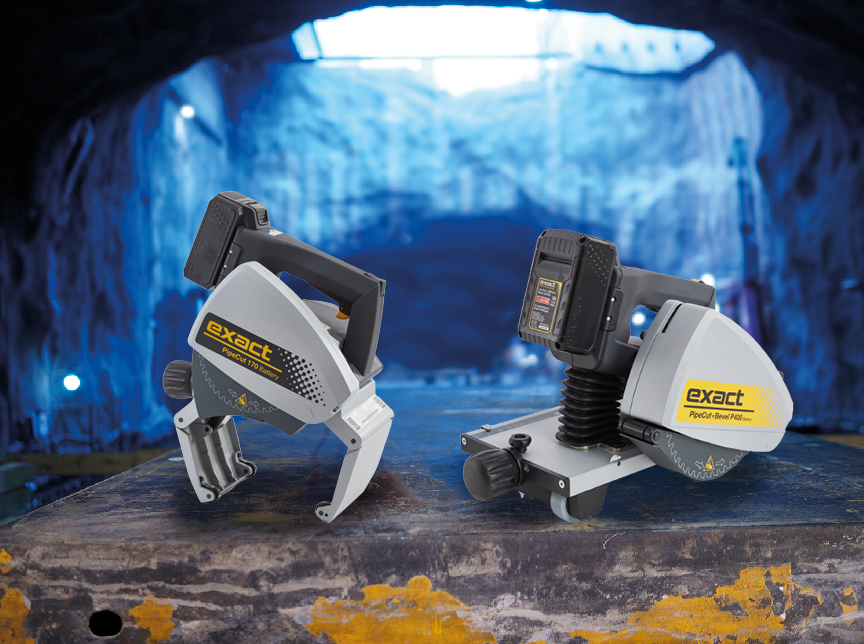
Proper pipe saw setup forms the foundation of successful welding projects across industrial, plumbing, and construction applications. When cutting a pipe for weld preparation, precision matters more than speed, as even minor imperfections can compromise joint integrity and lead to costly rework. Professional welders understand that achieving optimal weld preparation begins with understanding your pipe saw configuration and selecting appropriate cutting parameters for each material type.
This comprehensive guide covers essential setup procedures, blade selection criteria, and common mistakes that affect weld quality. Whether you’re working with steel, stainless steel, or multi-layer materials, explore professional pipe cutting solutions that deliver consistent results for welding preparation.
Essential pipe saw components for weld preparation
Understanding your pipe saw’s critical components directly impacts the quality of cuts prepared for welding applications. The cutting head serves as the primary interface between the blade and the material, requiring precise alignment to achieve square cuts essential for proper weld joint formation. Modern pipe saws feature adjustable cutting heads that accommodate various pipe diameters while maintaining consistent cutting angles throughout the operation.
Blade selection is another fundamental factor affecting weld preparation quality. Different tooth configurations and blade materials perform optimally with specific pipe materials and wall thicknesses. Tungsten carbide-tipped blades provide extended service life when cutting steel and stainless steel pipes, while high-speed steel blades offer cost-effective solutions for softer materials like copper and aluminum.
The clamping system ensures stable pipe positioning during cutting operations, preventing vibration that can create irregular cut surfaces. Professional-grade clamping mechanisms distribute pressure evenly around the pipe circumference, eliminating distortion that compromises weld fit-up. Adjustable pipe supports complement the clamping system by maintaining proper pipe alignment throughout the cutting process, which is particularly important when working with longer pipe sections or thin-walled materials.
How to select the right cutting blade for your material
Blade selection directly influences cut quality and edge preparation for welding applications. Steel pipes require blades with aggressive tooth geometry and carbide cutting edges to handle the material’s hardness while maintaining cut precision. Standard carbon steel responds well to blades featuring 4–6 teeth per inch, providing efficient material removal without excessive heat generation that can affect the pipe’s metallurgical properties near the cut edge.
Stainless steel presents unique challenges due to its work-hardening characteristics and lower thermal conductivity. Cold cutting processes are essential when preparing stainless steel for welding, as excessive heat can compromise corrosion resistance and cause carbide precipitation. Specialized stainless steel blades feature modified tooth geometry and coating materials that reduce friction and heat buildup during cutting operations.
Non-ferrous materials like copper and aluminum require different blade specifications to prevent material buildup on cutting edges. These softer materials benefit from blades with larger gullets between teeth, allowing efficient chip evacuation and preventing clogging that creates poor surface finishes. Plastic and composite pipes demand sharp, fine-toothed blades that slice cleanly through the material without creating stress fractures or delamination that affects weld preparation quality.
Step-by-step pipe saw setup for perfect weld joints
Begin pipe saw configuration by securing the pipe in the clamping mechanism, ensuring even pressure distribution around the circumference. Position the pipe so the cutting location aligns with the saw’s cutting head centerline, checking alignment with a square or measuring device. Proper pipe positioning prevents angled cuts that create gaps in weld joints and compromise structural integrity.
Adjust the cutting head to achieve perpendicular contact with the pipe surface, verifying that the blade runs true without wobble or deflection. Feed rate configuration requires balancing cutting speed with surface-finish requirements, as excessive feed rates create rough edges that require additional preparation before welding. Most materials benefit from steady, consistent feed rates that allow the blade to cut efficiently without overloading the motor or generating excessive heat.
Configure cutting parameters based on material specifications and wall thickness. Thicker-walled pipes typically require slower feed rates and may benefit from multiple passes to achieve an optimal surface finish. Monitor cutting progress throughout the operation, adjusting parameters as needed to maintain consistent cut quality. Complete the setup verification by checking the first cut with measuring tools to ensure dimensional accuracy and surface finish meet weld-preparation standards.
Common pipe cutting mistakes that ruin weld quality
Improper clamping is the most frequent setup error affecting weld preparation quality. Insufficient clamping pressure allows pipe movement during cutting, creating irregular surfaces that prevent proper weld joint fit-up. Conversely, excessive clamping pressure can distort thin-walled pipes, creating oval cross-sections that complicate welding procedures and may require additional preparation work.
Blade wear often goes unnoticed until cut quality deteriorates significantly. Dull blades require increased cutting force and generate excessive heat that can affect pipe material properties near the cut edge. Regular blade inspection prevents these issues by identifying wear patterns before they impact weld preparation quality. Replace blades when cutting edges show rounding, chipping, or excessive wear that affects cutting performance.
Incorrect cutting speeds create various problems that compromise weld joint preparation. Excessive speeds generate heat that can alter material properties and create rough surface finishes requiring additional preparation. Insufficient cutting speeds may cause blade loading and poor chip evacuation, resulting in torn or rough cut surfaces. Feed rate adjustments should consider material type, wall thickness, and desired surface-finish requirements for optimal welding preparation results.
How Exact Tools helps professionals with pipe cutting and welding preparation
We specialize in revolutionary pipe cutting and beveling technology designed specifically for professional welding applications. Our PipeCut series delivers cutting speeds up to 10 times faster than traditional methods while maintaining the precision required for optimal weld preparation. The cold-cutting process eliminates fire hazards by producing no sparks, making our solutions ideal for sensitive industrial environments.
Our comprehensive product range addresses diverse welding preparation requirements across multiple industries. Professional contractors rely on our ISO 9001, ISO 14001, and ISO 45001-certified manufacturing processes to deliver consistent quality in demanding applications. The following comparison highlights three key solutions for different welding preparation needs:
PipeCut P400 System
Materials: PE, PP, PVC, and other plastic pipes
Pipe Range: 50–400 mm diameter, 25 mm max wall thickness
Special Features: Simultaneous cutting and 15° beveling, 4,000 rpm speed
Applications: Plastic pipe installations requiring immediate weld preparation
PipeBevel 220E System
Materials: Steel and stainless steel pipes
Pipe Range: 25–220 mm diameter, 10 mm max wall thickness
Special Features: Multiple bevel angles (30°, 37.5°, 45°), built-in stopper
Applications: On-site welding applications requiring precise bevel preparation
PipeBevel 360E System
Materials: Steel and stainless steel pipes
Pipe Range: 110–360 mm diameter, 10 mm max wall thickness
Special Features: Portable design, consistent bevel quality, multiple cutting tips
Applications: Large-diameter pipe welding preparation in industrial settings
Our commitment to professional welding applications extends beyond equipment manufacturing to comprehensive support services. We provide technical guidance for optimal pipe saw setup and welding preparation procedures, ensuring contractors achieve consistent results across diverse project requirements. Contact our technical team for personalized guidance on selecting the right pipe cutting solution for your welding preparation needs, or learn more about our complete range of professional pipe cutting solutions.