

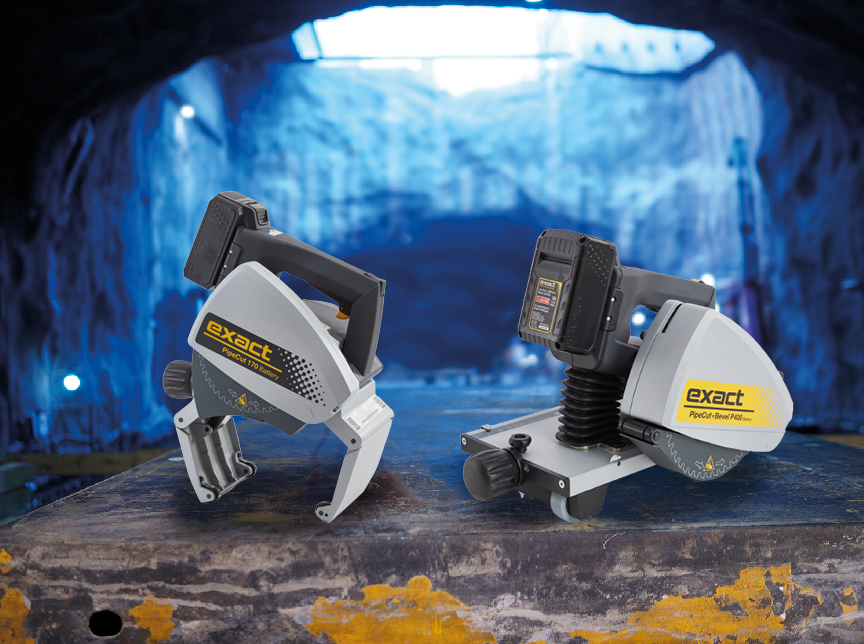
Professional pipe cutting requires precision, proper technique, and the right equipment to achieve high-quality results. Unfortunately, even experienced contractors frequently make pipe-cutting errors that lead to material waste, project delays, and increased costs. Understanding these common pipe-cutting mistakes and implementing preventive measures can significantly improve cutting efficiency and project outcomes. Explore professional pipe-cutting solutions that help eliminate these costly errors from the start.
Whether you’re cutting steel, plastic, copper, or stainless-steel pipes, avoiding fundamental mistakes ensures smooth, straight cuts that are ready for joining. The following analysis examines the most frequent pipe-cutting errors and provides practical strategies to prevent them in industrial and construction applications.
Critical Pipe-Cutting Errors That Damage Materials and Waste Time
Improper tool selection is one of the most costly pipe-cutting mistakes professionals make. Using standard angle grinders or hacksaws for precision pipe cutting often results in uneven cuts, material damage, and excessive waste. These tools lack the stability and precision required for consistent pipe cutting, particularly when working with different pipe materials that require specific cutting approaches.
Incorrect cutting angles frequently occur when operators rush through projects or lack proper pipe support systems. Pipes that move during cutting lead to angled cuts that require additional finishing work, resulting in material waste and project delays. Professional contractors report that inadequate material support accounts for up to 30% of pipe-cutting rework in construction projects.
Rushed cutting processes compound these problems by encouraging operators to skip essential preparation steps. Without proper pipe measurement, marking, and securing, even the best pipe-cutting blade cannot deliver high-quality results. These fundamental pipe-cutting errors create cascading problems throughout the installation process, affecting joint quality and system integrity.
Why Choosing the Wrong Pipe-Cutting Blade Leads to Project Failures
Blade selection significantly affects cutting performance across different pipe materials. Steel pipes require carbide-tipped blades designed for metal cutting, while plastic pipes need different blade configurations to prevent melting and cracking. Using inappropriate blades leads to poor cut quality, excessive heat generation, and premature blade wear.
Material compatibility extends beyond basic blade-type selection. Stainless-steel pipes demand specific cutting speeds and blade materials to prevent work hardening, while copper pipes require fine-toothed blades to achieve smooth cuts. Aluminium pipes present unique challenges due to their tendency to clog blade teeth with metal shavings during cutting.
Blade specifications directly affect project outcomes through cutting speed and finish quality. Professional pipe-cutting operations require blades matched to specific pipe wall thicknesses and diameters. The wrong blade choice can increase cutting time by 300% while producing cuts that require extensive finishing work before joints can be properly assembled.
Safety Mistakes That Put Workers at Risk During Pipe Cutting
Personal protective equipment violations remain common in pipe-cutting operations, despite clear safety requirements. Workers frequently skip eye protection, hearing protection, or appropriate gloves when using traditional cutting methods. These oversights become particularly dangerous when cutting produces sparks, metal shavings, or toxic fumes from certain pipe materials.
Workspace preparation failures create significant safety hazards during pipe-cutting projects. Inadequate ventilation, improper pipe securing, and cluttered work areas contribute to accidents and injuries. Professional pipe-cutting safety requires a clear, well-organised workspace, proper pipe support systems, and appropriate fire-prevention measures.
Traditional cutting methods, such as angle grinders or torch cutting, create spark-related fire hazards that many operators underestimate. These methods produce temperatures exceeding 1000°C, creating ignition risks in environments containing flammable materials. Proper lockout/tagout procedures are critical when cutting pipes in active industrial systems to prevent accidental system activation during cutting operations.
How Professional Pipe-Cutting Tools Prevent Costly Mistakes
Advanced pipe-cutting technology incorporates precision cutting systems that eliminate common operator errors. Professional pipe saws feature built-in guides and stops that ensure consistent cutting angles and depths across multiple cuts. These systems reduce cutting variability and improve joint compatibility throughout pipe installation projects.
Material-specific blade designs integrated into professional pipe-cutting tools address compatibility issues that cause project failures. Cold-cutting technology eliminates spark generation while producing smooth, burr-free cuts across various pipe materials. This approach significantly reduces finishing requirements and improves overall cutting efficiency.
Professional-grade equipment offers superior safety mechanisms compared to basic cutting tools. Enclosed cutting chambers, automatic material feed systems, and reduced-vibration designs minimise operator exposure to cutting hazards. These features enable safer pipe-cutting operations while maintaining high productivity levels in industrial applications.
Professional Pipe Cutting Tool Comparison
| Product | Pipe Materials | Pipe Size Range | Key Features |
|---|---|---|---|
| PipeCut P400 System | Plastic (PE, PP, PVC) | 50–400 mm diameter | Cut and bevel in one process, 15° bevel capability |
| PipeBevel 220E System | Steel, stainless steel | 25–220 mm diameter | Multiple bevel angles, no sparks, portable design |
| PipeBevel 360E System | Steel, stainless steel | 110–360 mm diameter | Heavy-duty applications, consistent bevels, fast setup |
How Exact Tools Helps Professionals Avoid Pipe-Cutting Mistakes
Since our founding in 1993, we have specialised in developing innovative pipe-cutting and finishing solutions that address the most common pipe-cutting errors. Our Finnish-engineered PipeCut series delivers cutting speeds up to 10 times faster than traditional methods while maintaining the precision required for professional applications across construction, plumbing, and industrial sectors.
Our award-winning pipe-cutting technology eliminates many traditional pipe-cutting mistakes through innovative design features. The PipeCut series cuts through steel, plastic, copper, aluminium, cast iron, stainless steel, and multilayer pipes, producing smooth, straight cuts that are ready for immediate joining. Our cold-cutting process produces no sparks, eliminating fire hazards while consuming 85% less power than conventional angle grinders.
Professional contractors worldwide rely on our ISO 9001, ISO 14001, and ISO 45001-certified manufacturing processes to ensure consistent tool performance and safety standards. Our comprehensive approach to pipe-cutting technology includes:
- Material-specific cutting solutions for different pipe types
- Precision cutting systems that eliminate angle errors
- Lightweight, portable designs for on-site operation
- Safety mechanisms that reduce operator risk
- Integrated support systems for stable pipe cutting
With over twenty years of expertise in pipe cutting and bevelling technology, we continue to develop solutions that prevent costly mistakes while improving cutting efficiency. Discover our complete range of professional pipe-cutting solutions or contact our technical team to discuss your specific pipe-cutting requirements and learn how our innovative technology can eliminate common cutting errors in your projects.