

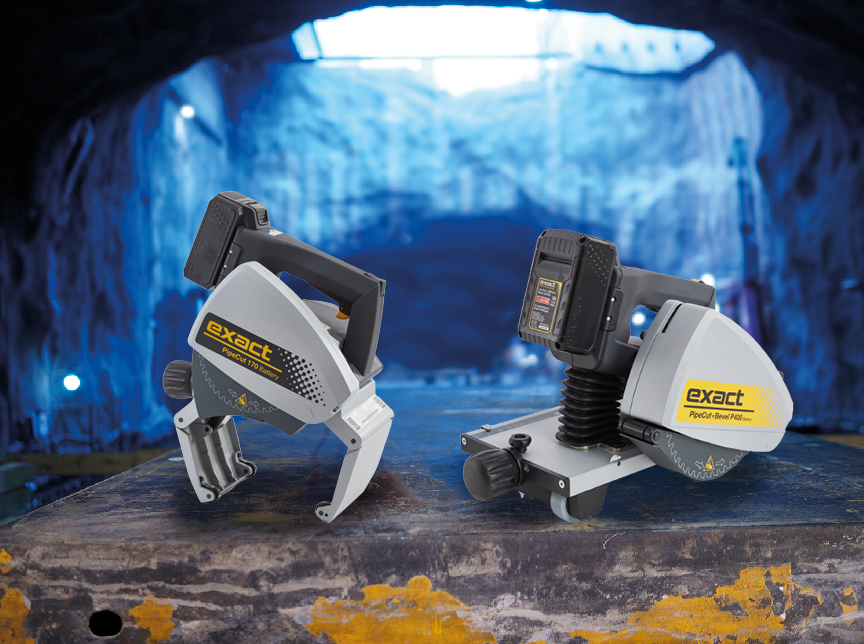
Pipe cutting operations present numerous hazards that can lead to serious injuries or workplace accidents. From blade-related dangers to environmental risks, understanding these hazards is essential for maintaining workplace safety. Modern pipe saw technology has evolved to address many traditional cutting risks, but operators must still remain vigilant about potential dangers. This guide examines the primary hazards associated with pipe cutting operations and explores how advanced safety features can significantly reduce these risks. Learn more about professional pipe cutting solutions that prioritise operator safety through innovative design.
What are the most common pipe saw accidents?
Industrial pipe cutting accidents typically involve contact injuries, where operators come into direct contact with cutting blades during operation or maintenance. These incidents often occur during blade changes, when safety guards are removed, or when operators attempt to clear material blockages whilst the machine is still running. Contact injuries account for a significant portion of pipe cutting accidents in industrial settings.
Kickback incidents represent another major category of pipe saw accidents. These occur when the cutting blade binds in the material, causing the tool to jerk violently backwards towards the operator. Kickback forces can be powerful enough to cause the operator to lose control of the equipment, potentially leading to serious injuries to the hands, arms, or torso.
Projectile-related accidents happen when cut pieces, metal shavings, or debris are ejected from the cutting area at high speeds. These incidents are particularly common with traditional cutting methods that generate sparks and flying particles, creating risks not only for the operator but also for nearby workers.
Physical hazards of pipe cutting blades
Cutting blade dangers encompass several distinct risk categories that operators must understand. Blade binding occurs when the cutting disc becomes trapped in the material, creating sudden rotational forces that can wrench the tool from the operator’s grip. This phenomenon is particularly dangerous with handheld tools, where the operator bears the full force of any kickback.
Rotating blade mechanisms present continuous hazards throughout operation. The high-speed rotation of cutting discs creates significant kinetic energy that can cause severe lacerations upon contact. Different blade types present varying risk levels, with abrasive discs typically generating more heat and sparks than toothed cutting blades.
Contact injuries resulting from pipe-cutting blade safety failures often stem from inadequate guarding, improper blade installation, or operator complacency. The severity of these injuries depends on factors including blade speed, material hardness, and the specific body part involved. Proper blade maintenance and regular inspection protocols are essential for minimising these physical hazards.
Environmental and operational safety risks
Workplace pipe-cutting operations face numerous environmental hazards beyond direct blade contact. Noise exposure from high-speed cutting operations can exceed safe levels, particularly in enclosed spaces where sound reflection amplifies the problem. Prolonged exposure to excessive noise levels can cause permanent hearing damage and affect concentration.
Dust generation during cutting operations creates respiratory hazards, especially when working with materials containing harmful particles. Metal dust from steel cutting and plastic particles from polymer pipes can accumulate in work areas, creating both immediate breathing difficulties and long-term health risks for workers.
Fire hazards from sparks represent a serious concern in many industrial environments. Traditional cutting methods that generate sparks can ignite flammable materials, gases, or vapours present in the work area. This risk is particularly acute in confined spaces, chemical processing facilities, or areas where combustible materials are stored nearby.
Essential safety equipment for pipe cutting operations
Personal protective equipment requirements for pipe cutting operations include comprehensive eye protection, such as safety glasses or face shields rated for impact resistance. Hearing protection becomes mandatory when noise levels exceed 85 decibels, with earplugs or noise-cancelling headphones providing necessary protection during extended cutting operations.
Respiratory equipment selection depends on the materials being cut and the work environment. Dust masks provide basic protection for general cutting operations, whilst respirators may be required when cutting materials that generate toxic particles or when working in poorly ventilated areas.
Modern pipe-cutting equipment incorporates numerous built-in safety features, including:
- Blade guards that automatically cover cutting surfaces
- Emergency stop mechanisms for immediate power disconnection
- Vibration-dampening systems to reduce operator fatigue
- Ergonomic handles designed for a secure grip during operation
- Cold-cutting technology that eliminates spark generation
How Exact Tools enhances pipe cutting safety
Our safety innovations focus on eliminating traditional pipe-cutting hazards through advanced engineering solutions. The cold-cutting technology used in our PipeCut series completely eliminates spark generation, removing fire hazards that plague conventional cutting methods. This technology also reduces heat generation, minimising burn risks for operators.
The lightweight, portable design of our pipe-cutting systems reduces ergonomic strain and allows for better operator control during cutting operations. Lower equipment weight translates to reduced fatigue and improved precision, both of which contribute to enhanced workplace safety. Our systems consume 85% less power than traditional angle grinders, reducing electrical hazards whilst maintaining superior cutting performance.
PipeCut Series Comparison
| Model | Pipe Materials | Pipe Sizes | Key Safety Features |
|---|---|---|---|
| PipeCut 220E | Steel, plastic, copper, aluminium, cast iron | 25-220 mm diameter | Cold-cutting, no sparks, lightweight design |
| PipeCut 280E | Steel, stainless steel, multi-layer pipes | 50-280 mm diameter | Enhanced blade guards, ergonomic controls |
| PipeCut 360E | All pipe materials, including cast iron | 110-360 mm diameter | Maximum stability, reduced vibration |
Our commitment to safety extends beyond product design to include comprehensive safety certifications. We maintain ISO 9001, ISO 14001, and ISO 45001 certifications, demonstrating our dedication to quality management, environmental responsibility, and occupational safety standards. These certifications ensure that our manufacturing processes and products meet the highest international safety requirements.
Understanding pipe saw risks and implementing proper safety measures protects workers and improves operational efficiency. From recognising common accident patterns to selecting appropriate protective equipment, comprehensive safety planning significantly reduces industrial cutting incidents. Modern pipe-cutting technology offers substantial improvements over traditional methods, particularly in eliminating spark-related fire hazards and reducing operator fatigue. Discover our complete range of safety-focused pipe cutting solutions designed to protect operators whilst delivering superior cutting performance. For personalised safety consultation and equipment recommendations, contact our technical specialists who can help identify the optimal cutting solution for your specific safety requirements.