

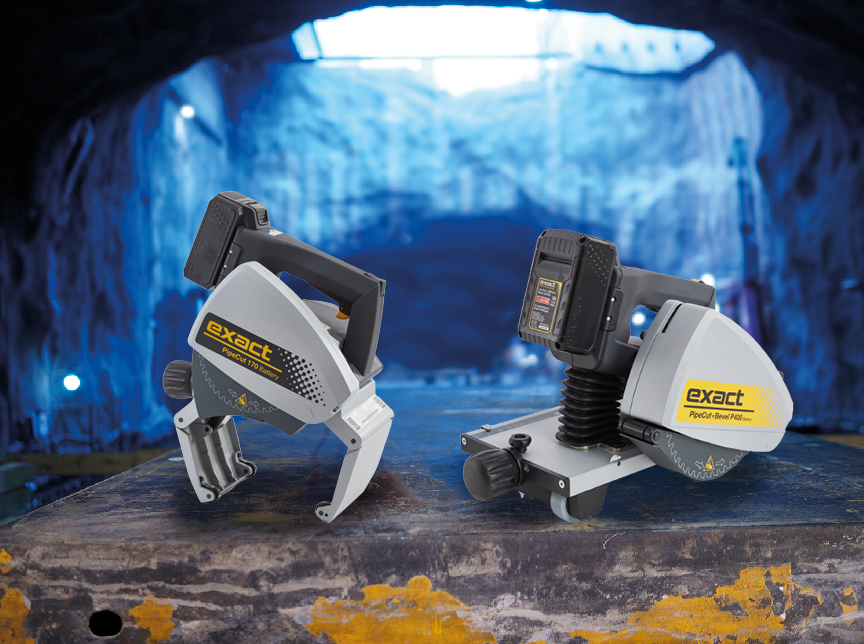
Workplace safety during pipe-cutting operations requires meticulous attention to detail and proper preparation. Every year, countless accidents occur on construction sites due to inadequate safety measures when cutting pipes, ranging from minor injuries to serious incidents that could have been prevented. Professional contractors understand that maintaining a safe workspace isn’t just about compliance; it’s about protecting your team and ensuring project continuity. This comprehensive guide covers essential safety protocols, equipment selection, hazard prevention, and workspace organisation to help you create a safer environment for all pipe-cutting activities. Explore our professional pipe-cutting solutions designed with safety as a priority.
Essential safety protocols for pipe-cutting operations
Establishing comprehensive safety protocols forms the foundation of any successful pipe-cutting operation. These procedures must be implemented consistently across all projects, regardless of pipe material or cutting method. Personal protective equipment (PPE) represents the most critical first line of defence against workplace injuries.
Mandatory PPE requirements include safety glasses with side shields, hearing protection rated for industrial environments, cut-resistant gloves, steel-toed boots, and hard hats. When working with certain pipe materials, additional respiratory protection may be necessary to prevent the inhalation of harmful particles or fumes. Each piece of equipment must be inspected before use and replaced if damaged or worn.
OSHA guidelines require employers to conduct thorough risk assessments before beginning any pipe-cutting work. These assessments should identify potential hazards specific to the work environment, pipe materials, and cutting methods being used. Documenting these assessments helps ensure compliance and provides a reference for future projects.
Pre-operational safety checks must become routine practice. This includes verifying that all cutting-tool safety guards are properly installed, checking blade condition and proper mounting, ensuring adequate lighting in the work area, and confirming that emergency procedures are clearly communicated to all team members. Regular safety meetings reinforce these protocols and provide opportunities to address new concerns as they arise.
How to choose the right pipe-cutting equipment for safety
Selecting appropriate pipe-cutting equipment significantly impacts workplace safety outcomes. Modern pipe saw technology offers substantial safety advantages over traditional cutting methods, particularly by reducing fire hazards and improving operator control. When evaluating cutting tools, prioritise equipment with proven safety certifications and comprehensive safety features.
Traditional cutting methods such as angle grinders present multiple safety challenges, including spark generation, high power consumption, and increased operator fatigue. Cold-cutting processes eliminate fire hazards entirely by producing no sparks during operation, making them ideal for environments where flammable materials may be present.
Key safety features to look for include an ergonomic design that reduces operator strain, automatic blade guards that prevent accidental contact, variable-speed controls for different materials, and lightweight construction that minimises handling fatigue. Equipment with lower power consumption not only reduces operating costs but also generates less heat, contributing to safer working conditions.
Professional-grade pipe-cutting equipment should meet relevant industry standards and carry appropriate certifications. Look for tools that have undergone rigorous testing and comply with international safety standards. Investing in quality equipment pays dividends through reduced accident rates and improved productivity.
Featured Pipe Cutting Solutions
| Product | Pipe Range | Materials | Key Safety Features |
|---|---|---|---|
| PipeCut P400 | 50-400mm | PE, PP, PVC plastics | Simultaneous cut and bevel, lightweight design |
| PipeBevel 220E | 25-220mm | Steel, stainless steel | No sparks, built-in stopper, ergonomic interface |
| PipeBevel 360E | 110-360mm | Steel, stainless steel | Spark-free operation, consistent results, portable design |
Common pipe-cutting hazards and prevention strategies
Understanding and addressing common hazards is a crucial aspect of workplace safety management. Fire hazards top the list of serious concerns, particularly when using traditional cutting methods that generate sparks. These risks multiply in environments containing flammable materials, compressed gases, or combustible dust.
Flying debris and metal shavings pose constant threats during pipe-cutting operations. Proper containment measures include using debris shields, establishing clear work zones, and ensuring adequate distance between cutting operations and other workers. Regular cleanup of work areas prevents the accumulation of hazardous materials that could cause slips or secondary injuries.
Toxic fumes present invisible but serious health risks, especially when cutting certain pipe materials or working in confined spaces. Adequate ventilation systems must be installed and maintained, with air-quality monitoring in enclosed areas. Workers should be trained to recognise symptoms of exposure and understand when respiratory protection becomes necessary.
Preventing equipment malfunctions requires regular maintenance schedules and proper operator training. Blade failure, motor overheating, and guard displacement are the most common equipment-related hazards. Implementing preventive maintenance programmes and providing comprehensive operator training significantly reduces these risks.
Emergency response procedures must be clearly defined and regularly practised. This includes fire-suppression protocols, first-aid procedures, and evacuation plans. All team members should know the location of emergency equipment and understand their roles in emergency situations.
Workplace organisation tips for safe pipe cutting
Proper workspace organisation creates the foundation for safe pipe-cutting operations. A well-organised work area reduces accident risks while improving efficiency and productivity. Clear work zones should be established and maintained throughout the project duration, with designated areas for cutting, material storage, and waste disposal.
The importance of adequate lighting cannot be overstated. Work areas should provide minimum illumination levels as specified by occupational safety standards, with additional task lighting for detailed work. Poor lighting contributes to accidents and reduces cutting precision, creating both safety and quality concerns.
Ventilation systems must be designed to remove airborne contaminants effectively while providing comfortable working conditions. Natural ventilation may be sufficient for outdoor work, but indoor operations typically require mechanical ventilation systems. Airflow patterns should direct contaminants away from workers and towards collection points.
Tool storage and material-handling procedures prevent many common workplace injuries. Heavy pipe sections require proper lifting techniques and mechanical assistance when necessary. Tools should be stored in designated locations and secured properly to prevent falls or unauthorised access. Regular housekeeping maintains clear pathways and reduces trip hazards.
Creating standard operating procedures for workspace setup ensures consistency across different projects and work crews. These procedures should cover equipment positioning, material-flow patterns, waste management, and cleanup requirements. Regular audits help identify areas for improvement and ensure continued compliance with safety standards.
How Exact Tools helps contractors maintain safer worksites
We have dedicated over three decades to developing pipe-cutting technology that prioritises workplace safety without compromising performance. Our innovative approach focuses on eliminating traditional hazards while improving operational efficiency for professional contractors worldwide.
Our cold-cutting processes represent a fundamental advancement in pipe-cutting safety. By eliminating spark generation entirely, we remove fire hazards that plague traditional cutting methods. This technology allows contractors to work safely in environments previously considered too risky for pipe-cutting operations, expanding project possibilities while maintaining strict safety standards.
The ergonomic design of our equipment reduces operator fatigue, a leading contributor to workplace accidents. Lightweight construction, balanced weight distribution, and intuitive controls help operators maintain focus and precision throughout extended work periods. Our commitment to user-friendly interfaces means less training time and fewer operator errors.
Quality certifications, including ISO 9001, ISO 14001, and ISO 45001, demonstrate our comprehensive approach to quality management, environmental responsibility, and occupational safety. These certifications provide assurance that our products meet rigorous international standards for workplace safety and environmental protection.
Key safety benefits of our technology include:
- 85% lower power consumption compared to angle grinders
- Complete elimination of fire hazards through spark-free operation
- Reduced operator fatigue through lightweight, portable designs
- Consistent, precise cuts that eliminate rework and associated safety risks
- Comprehensive safety features integrated into every product design
Our global presence ensures local support for safety training and equipment maintenance. Professional contractors can access technical expertise and replacement parts through our network, keeping equipment in optimal condition. Contact our safety specialists to discuss how our technology can improve your workplace safety standards while increasing productivity and reducing operating costs.