

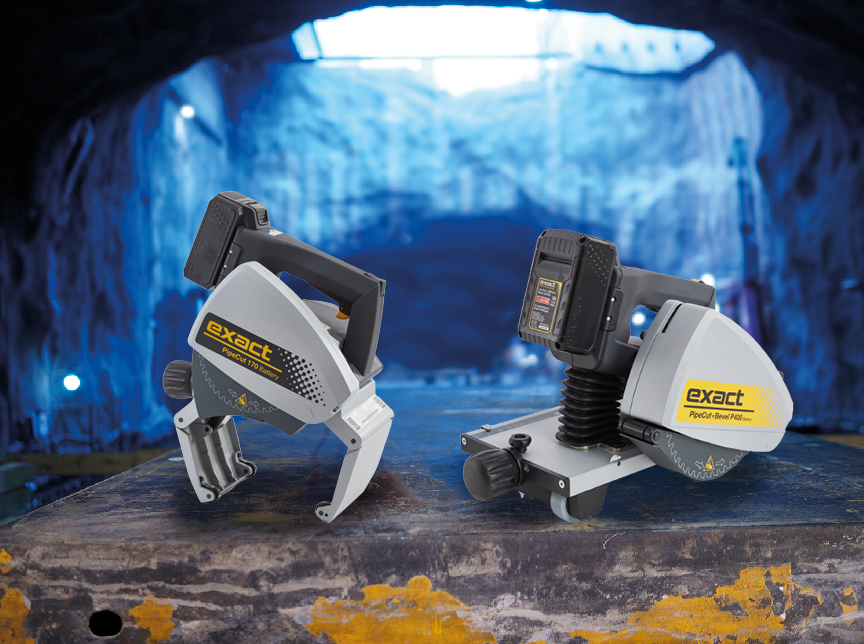
Proper pipe saw maintenance makes the difference between reliable cutting performance and unexpected equipment failures that halt project progress. Professional contractors understand that preventive maintenance schedules protect their investment while ensuring consistent cutting quality across various pipe materials, including steel, plastic, copper, and stainless steel. A well-maintained pipe-cutting tool delivers precise, clean cuts that are ready for immediate joining, eliminating the need for additional finishing work.
Understanding when and how to maintain your pipe-cutting equipment helps prevent costly downtime, extends blade life, and upholds the safety standards essential for professional operations. This comprehensive guide covers daily inspection protocols, blade replacement indicators, and professional maintenance intervals that keep your cutting tools performing at optimal levels. Explore professional pipe-cutting solutions designed for consistent performance and extended service life.
Why proper pipe saw maintenance prevents costly downtime
Equipment failures during critical project phases can result in significant financial losses and schedule delays. Regular pipe saw inspection and maintenance prevents these costly interruptions by identifying potential issues before they cause complete tool failure. Well-maintained cutting equipment delivers consistent performance, producing clean, precise cuts that meet professional installation standards without requiring additional finishing work.
The financial impact of poor maintenance practices extends beyond repair costs. Neglected equipment produces inferior cut quality, requiring additional time for preparation and fitting. This reduces overall productivity and can compromise joint integrity in critical applications. Preventive maintenance schedules typically cost 20–30% less than reactive repairs while significantly extending tool lifespan.
Consistent cutting tool care ensures reliable performance across different pipe materials and thicknesses. Properly maintained equipment operates at its designed cutting speeds, reducing operator fatigue and maintaining safety standards. The investment in regular maintenance pays dividends through improved productivity, reduced replacement costs, and enhanced workplace safety.
Daily and weekly pipe saw inspection checklist
Daily inspections should begin with a visual assessment of the cutting blade condition, checking for chips, cracks, or excessive wear that could affect cutting performance. Examine the blade-mounting system to ensure secure attachment and proper alignment. Verify that safety guards are properly positioned and functioning correctly before each use.
Motor inspection includes checking ventilation ports for debris accumulation and ensuring the cooling system operates effectively. Clean external surfaces to prevent dust and cutting debris from entering internal components. Test all safety switches and emergency stops to confirm proper operation before beginning work.
Weekly maintenance tasks include lubricating specified points according to manufacturer recommendations and checking bolt tightness on critical components. Perform basic performance testing by making test cuts on scrap material to verify that cutting speed and quality remain within acceptable parameters. Document any observations or concerns to track maintenance needs over time.
PipeCut P400 System
| Pipe Materials: | PE, PP, PVC, and common plastics |
| Pipe Diameter: | 50 mm–400 mm |
| Special Feature: | Cuts and bevels in one process, with 15-degree bevel capability |
| Weight: | 6.0 kg for excellent portability |
When to replace your pipe cutting blade
Blade replacement timing depends on several key indicators that affect cutting performance and safety. Reduced cutting speed is often the first sign of blade wear, requiring increased pressure or multiple passes to complete cuts. This inefficiency indicates that the cutting edges have dulled beyond optimal performance levels.
Surface quality degradation appears as rough or uneven cut edges that require additional finishing work. Increased vibration during cutting operations suggests blade imbalance or damage that could affect operator safety and cut precision. Visual inspection should reveal obvious damage, such as missing teeth, cracks, or excessive wear patterns.
Blade life expectancy varies significantly based on the materials cut, cutting frequency, and proper usage techniques. Harder materials, such as stainless steel and cast iron, reduce blade life compared to softer plastics and copper. High-frequency use requires more frequent blade assessment and replacement to maintain cutting quality and safety standards.
PipeBevel 220E System
| Pipe Materials: | Steel and stainless steel |
| Pipe Diameter: | 25 mm–220 mm |
| Special Feature: | Professional bevelling with multiple angle options (30°, 37.5°, 45°) |
| Cutting Tips: | 3 tips with 4 cutting edges each for extended life |
Professional maintenance intervals for heavy-duty use
Industrial and commercial applications require structured maintenance schedules that account for intensive use patterns and demanding operating conditions. Quarterly professional inspections should include comprehensive component assessment, lubrication system evaluation, and performance testing under various load conditions.
Annual overhauls involve detailed disassembly and inspection of internal components, replacement of wear items according to service intervals, and calibration verification. These comprehensive services help identify potential issues before they cause equipment failure and ensure continued compliance with safety standards.
Documentation requirements for warranty compliance include maintenance records, component replacement logs, and performance test results. Proper record-keeping demonstrates adherence to recommended maintenance practices and supports warranty claims when necessary. Many professional operations integrate maintenance scheduling into their project management systems to ensure consistent compliance.
PipeBevel 360E System
| Pipe Materials: | Steel and stainless steel |
| Pipe Diameter: | 110 mm–360 mm |
| Special Feature: | Heavy-duty bevelling for larger-diameter pipes |
| Built-in Stopper: | Enables consistent, repeatable bevels for improved workflow |
How Exact Tools helps with pipe saw maintenance
We provide comprehensive maintenance support through detailed technical documentation, readily available spare parts, and expert customer service resources. Our maintenance recommendations for the PipeCut series are based on extensive field testing and real-world application data collected from professional users across construction, plumbing, and industrial sectors worldwide.
Our quality standards, demonstrated through ISO 9001, ISO 14001, and ISO 45001 certifications, ensure that maintenance procedures and spare parts meet the highest industry standards. The PipeCut series design incorporates maintenance-friendly features that simplify routine care and component replacement, reducing downtime and service costs.
Proper maintenance of our pipe-cutting equipment maximises tool performance and longevity while maintaining the safety standards essential for professional operations. Our technical support team provides guidance on maintenance schedules, troubleshooting, and optimisation techniques specific to your application requirements. Contact our technical support team for personalised maintenance guidance and learn more about our comprehensive pipe-cutting solutions designed for professional reliability and performance.