

Proper maintenance of pipe-cutting equipment directly impacts project timelines, cut quality, and worker safety. When industrial pipe saws and cutting tools operate without regular care, performance deteriorates rapidly, leading to costly delays and subpar results. Professional contractors know that recognising maintenance warning signs early prevents equipment failure and extends tool lifespan. This comprehensive guide covers the critical indicators that signal maintenance needs, blade wear patterns, essential care procedures, and smart repair decisions. Explore professional pipe-cutting solutions that deliver consistent performance across steel, plastic, copper, aluminium, and stainless steel applications.
Critical warning signs your pipe-cutting equipment is failing
Unusual vibrations during operation are one of the most telling indicators that your pipe-cutting equipment requires immediate attention. Excessive vibration typically stems from blade imbalance, worn bearings, or loose mounting components. These vibrations not only compromise cut accuracy but also accelerate wear on internal mechanisms.
Poor cut quality manifests as rough edges, uneven surfaces, or chipped material along the cut line. Professional pipe cutting should produce smooth, straight cuts ready for immediate joining. When cuts require additional finishing work, the equipment likely needs blade replacement or mechanical adjustment.
Auditory changes provide valuable maintenance clues. Excessive noise levels, grinding sounds, or irregular motor operation indicate potential component failure. Modern pipe-cutting equipment operates with consistent, controlled sound patterns. Deviations from normal operating noise warrant immediate inspection and possible service intervention.
Decreased cutting speed is another critical warning sign. Equipment that previously cut through materials efficiently but now requires excessive time or pressure indicates blade dulling, motor issues, or mechanical binding. Tracking cutting performance over time helps identify gradual degradation before complete failure occurs.
How cutting blade wear affects pipe-cutting performance
Blade deterioration follows predictable patterns that directly correlate with declining cutting performance. Sharp cutting edges gradually develop microscopic chips and rounded profiles through normal use. This wear pattern becomes visible through increased cutting resistance and material deformation around cut edges.
Material compatibility issues emerge when worn blades encounter different pipe materials. Blade condition significantly influences the equipment’s ability to handle various materials effectively. Fresh blades cut through steel, plastic, and composite materials with minimal force adjustment, while worn blades struggle with material transitions and require operator compensation.
Cut quality degradation appears progressively as blade sharpness diminishes. Initial signs include slight burr formation on cut edges, followed by increased material tearing and eventual incomplete cuts. Professional applications require consistent cut quality, making blade condition monitoring essential for maintaining work standards.
Overall equipment efficiency suffers when blades operate beyond optimal sharpness. Worn blades force motors to work harder, increasing power consumption and generating excess heat. This additional stress accelerates wear on other components, creating cascading maintenance requirements throughout the equipment.
Essential maintenance checklist for pipe-cutting tools
Regular cleaning protocols form the foundation of effective pipe-cutting equipment maintenance. Daily cleaning removes metal shavings, plastic debris, and accumulated dust that can interfere with moving parts. Use compressed air to clear internal mechanisms and wipe external surfaces with appropriate cleaning solutions.
Lubrication schedules vary by equipment type and usage intensity. Preventive lubrication practices include checking bearing grease levels monthly, applying cutting oil to blade mechanisms, and maintaining proper hydraulic fluid levels where applicable. Follow manufacturer specifications for lubricant types and application intervals.
Component inspection guidelines encompass both visual and functional assessments:
- Examine blade mounting hardware for looseness or wear
- Check electrical connections and cable integrity
- Inspect guide rails and alignment mechanisms
- Verify safety feature operation and emergency stops
- Test motor performance under various load conditions
Systematic record-keeping tracks maintenance activities and equipment performance trends. Document blade changes, service dates, and any performance anomalies. This information helps predict future maintenance needs and supports warranty claims when necessary.
When to replace vs. repair your pipe-cutting equipment
Cost analysis provides the primary framework for repair-versus-replacement decisions. Calculate total repair costs, including parts, labour, and potential downtime, against the investment in new equipment. Generally, repairs exceeding 50% of replacement cost favour purchasing new equipment, particularly for older machines.
Performance thresholds help determine the economic viability of continued operation. Equipment that consistently fails to meet productivity standards or requires frequent repairs may cost more in lost efficiency than replacement. Modern pipe-cutting technology offers significant performance improvements over equipment manufactured more than five years ago.
Age and availability of replacement parts influence repair feasibility. Discontinued models often face parts shortages and extended repair times. Manufacturers typically support equipment for 7–10 years after production ends, making older equipment increasingly difficult to maintain cost-effectively.
Safety considerations may override purely economic factors. Equipment with compromised safety features or structural integrity requires immediate replacement regardless of repair costs. Worker safety and regulatory compliance take precedence over short-term cost savings.
How Exact Tools helps contractors maintain peak cutting performance
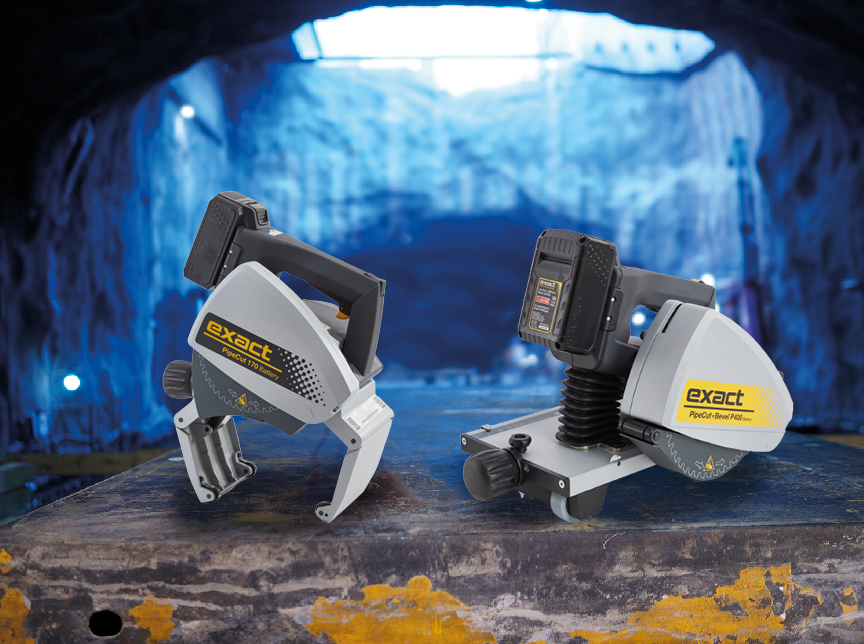
We specialise in revolutionary pipe-cutting technology designed to minimise maintenance requirements while maximising operational reliability. Our PipeCut series delivers cutting speeds up to 10 times faster than traditional methods, significantly reducing equipment operating hours and associated wear patterns.
Our cold-cutting process eliminates fire hazards and produces no sparks, reducing thermal stress on equipment components. This technology extends blade life and reduces maintenance frequency compared to traditional cutting methods. The lightweight, portable design minimises mechanical stress during transport and operation.
Professional support services include comprehensive maintenance guidance and technical assistance. We provide detailed maintenance schedules, troubleshooting resources, and direct access to technical experts. Our ISO 9001, ISO 14001, and ISO 45001 certifications demonstrate our commitment to quality management and operational excellence.
Featured Pipe Cutting Solutions
| Model | Pipe Size Range | Materials | Key Features |
|---|---|---|---|
| PipeCut P400 | 50 mm–400 mm | PE, PP, PVC plastics | Cut and bevel in one process, 15-degree bevel capability |
| PipeBevel 220E | 25 mm–220 mm | Steel, stainless steel | Portable beveller, multiple bevel angles, 10 mm wall thickness |
| PipeBevel 360E | 110 mm–360 mm | Steel, stainless steel | Heavy-duty bevelling, built-in stopper, professional applications |
Our equipment features 85% lower power consumption than angle grinders, reducing operating costs and extending component life. The precision engineering and quality materials used in our machines result in longer service intervals and reduced maintenance requirements. Contact our technical team for personalised maintenance guidance and equipment selection assistance tailored to your specific applications and operational requirements.