

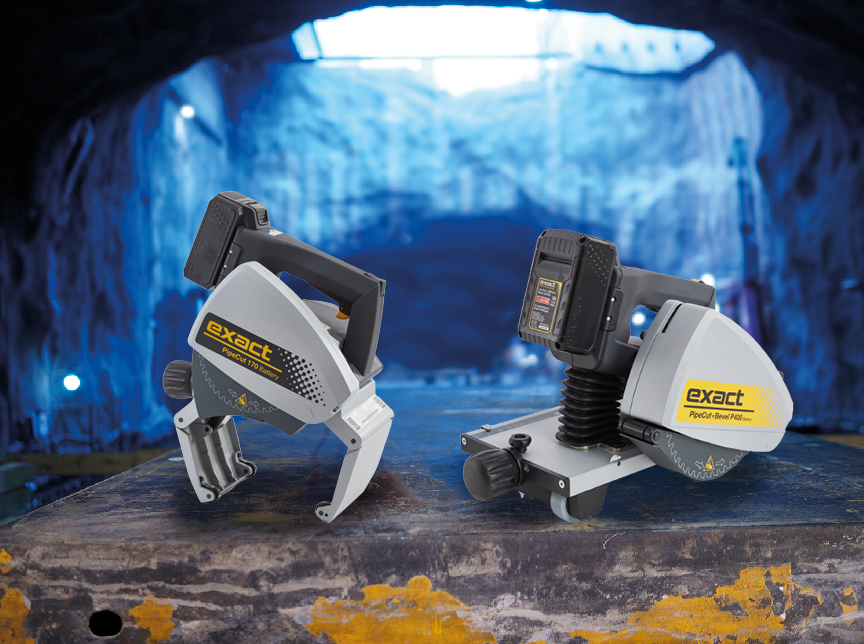
Proper pipe saw blade replacement is crucial for maintaining cutting performance and ensuring operator safety in industrial applications. A worn or incorrectly installed blade can compromise cutting quality, increase operating time, and create dangerous working conditions. This guide covers essential safety protocols, detailed replacement procedures, and maintenance best practices to help you replace pipe-cutting blades safely and effectively.
Understanding the correct blade replacement process protects both your equipment investment and personnel while maintaining the precision cuts required for professional pipe installations. Whether you’re working with steel, plastic, copper, or multilayer materials, following proper procedures ensures optimal performance. Explore professional pipe cutting solutions designed for reliable, safe operation across various industrial applications.
Essential safety precautions before blade replacement
Safety must be the primary concern before beginning any pipe saw blade replacement procedure. Proper preparation prevents accidents and ensures a smooth blade-changing process that protects both the operator and the equipment.
Power disconnection and lockout procedures form the foundation of safe blade replacement. Always disconnect the power source completely before accessing the blade area. For battery-powered units, remove the battery pack entirely. For corded models, unplug from the mains and ensure the cord cannot be accidentally reconnected during maintenance.
Personal protective equipment requirements include safety glasses, cut-resistant gloves, and appropriate work clothing. Avoid loose clothing or jewelry that might catch on moving parts. The workspace should be well lit, clean, and free from debris that could cause slips or falls during the replacement process.
Pre-replacement inspection procedures involve checking the blade-mounting area for damage, wear, or debris accumulation. Examine the spindle, mounting bolts, and guard mechanisms for proper condition. Any damaged components should be addressed before installing a new blade to prevent operational hazards.
Step-by-step pipe saw blade replacement process
The blade replacement procedure requires methodical attention to detail and proper tool preparation. Having the correct tools readily available streamlines the process and reduces the risk of improvised solutions that might compromise safety.
Required tools typically include the manufacturer-specified hex keys, spanners, or proprietary tools designed for your specific pipe saw model. Blade removal techniques vary between models but generally involve securing the spindle while loosening the blade-mounting hardware. Some systems use quick-release mechanisms, while others require traditional threaded fasteners.
Proper installation methods begin with ensuring the replacement blade matches the specifications for your pipe saw model. Check the blade diameter, mounting bore size, and material compatibility before installation. The blade must be oriented correctly, with the cutting teeth facing the proper direction for the saw’s rotation.
Alignment verification ensures optimal cutting performance and prevents premature blade wear. The blade should sit flush against the mounting flange without wobble or misalignment. Tighten mounting hardware to the manufacturer’s specified torque values to prevent loosening during operation while avoiding over-tightening that might damage components.
Common blade replacement mistakes and how to avoid them
Incorrect blade orientation is one of the most frequent errors during replacement procedures. Installing a blade backward or upside down creates dangerous cutting conditions and rapid blade deterioration. Always verify that the cutting-direction arrows on both the blade and the saw housing match before tightening.
Improper tightening procedures cause numerous operational problems. Under-tightening allows blade movement during cutting, creating poor cut quality and potential blade-ejection hazards. Over-tightening can damage mounting threads, distort blade geometry, or make future blade changes extremely difficult.
Inadequate safety measures during blade changes include working with the power connected, using incorrect tools, or rushing through procedures. These shortcuts significantly increase accident risk and often result in damaged equipment or personal injury. Taking the time to follow proper procedures prevents costly mistakes and ensures reliable operation.
Neglecting post-installation testing is another common oversight. Always perform a brief test run at low speed to verify proper blade installation, check for unusual vibration or noise, and confirm smooth operation before returning to full cutting duties.
Signs your pipe cutting blade needs replacement
Recognizing blade-wear indicators helps maintain cutting performance and prevents damage to both the workpiece and the equipment. Regular assessment of blade condition should be part of routine pipe saw maintenance schedules.
Cutting performance degradation manifests as increased cutting time, higher operating forces, or difficulty maintaining straight cuts. These symptoms indicate blade dulling that affects both productivity and cut quality. Visible blade damage includes chipped or missing teeth, cracks in the blade body, or excessive wear on cutting edges.
Poor cut quality produces pipe ends that require additional finishing work, defeating the purpose of precision pipe-cutting tools. Professional applications require clean, straight cuts ready for immediate joining without additional preparation.
Maintenance schedules vary depending on cutting applications, materials, and usage intensity. Heavy-duty industrial applications may require more frequent blade replacement than occasional maintenance work. Keep records of blade usage to establish replacement patterns for your specific applications.
How Exact Tools helps with pipe cutting tool maintenance
We provide comprehensive support for pipe cutting tool maintenance through detailed guidance, quality replacement components, and professional service support. Our experience in pipe-cutting technology ensures customers receive accurate information for safe, effective blade replacement procedures.
PipeCut P400 System
- Materials: PE, PP, PVC, and other plastic pipes
- Pipe Range: 50 mm to 400 mm outer diameter
- Key Features: Simultaneous cutting and bevelling, 15-degree bevel capability
- Blade Type: TCT P150 blade included; specialized cut/bevel blades available
PipeBevel 220E System
- Materials: Steel and stainless steel pipes
- Pipe Range: 25 mm to 220 mm outer diameter
- Key Features: Portable design, multiple bevel angles (30°, 37.5°, 45°)
- Cutting Tips: Three cutting tips with four edges each for extended life
PipeBevel 360E System
- Materials: Steel and stainless steel pipes
- Pipe Range: 110 mm to 360 mm outer diameter
- Key Features: Built-in stopper for consistent bevels, spark-free operation
- Wall Thickness: Up to 10 mm maximum capacity
Our blade replacement guidance includes specific procedures for each PipeCut series model, ensuring proper installation techniques and safety protocols. We maintain comprehensive technical specifications and replacement-part availability to support ongoing maintenance requirements.
Professional maintenance services extend equipment life and maintain cutting performance standards. Our commitment to occupational safety through ISO 45001 certification reflects our dedication to providing safe, reliable pipe-cutting solutions. Contact our technical support team for specific maintenance guidance or replacement-part requirements for your pipe-cutting equipment.
Visit our complete range of professional pipe cutting solutions to discover how our innovative technology delivers superior performance with enhanced safety features for industrial applications.