

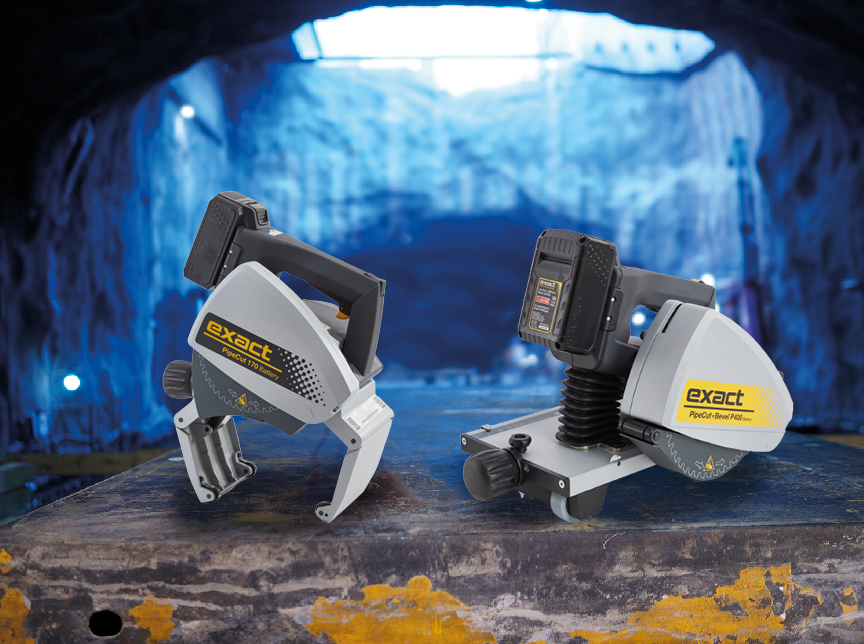
Professional pipe-cutting operations rely on consistent performance and precision. When pipe saw troubleshooting becomes necessary, identifying issues quickly prevents costly downtime and ensures project continuity. Understanding common pipe-cutting problems and their solutions helps maintain optimal cutting performance across various materials, including steel, stainless steel, aluminium, and plastic pipes.
Modern industrial pipe cutting demands reliable equipment that delivers smooth, straight cuts ready for immediate joining. When performance degrades, systematic troubleshooting restores functionality efficiently. Explore professional pipe-cutting solutions designed for consistent industrial performance.
This comprehensive guide addresses the most common pipe saw repair challenges, from blade issues to motor diagnostics, providing practical solutions that extend equipment life and maintain cutting quality standards.
Common pipe saw problems and their warning signs
Recognising early indicators of pipe saw performance issues helps prevent major failures and reduces maintenance costs. Poor cut quality often manifests as rough or uneven pipe ends, indicating potential blade wear or incorrect cutting parameters. These warning signs typically appear gradually, giving operators time to address problems before complete failure occurs.
Blade wear is one of the most frequent pipe-cutting problems. Visual inspection may reveal dull cutting edges, chipped teeth, or accumulated debris on blade surfaces. Performance degradation may include increased cutting time, excessive vibration during operation, and visible burning or melting on plastic pipe cuts.
Motor problems present distinct symptoms, including unusual noise patterns, reduced power output, or inconsistent speed regulation. Irregular power consumption often indicates internal motor issues requiring immediate attention. Overheating during normal operation suggests blocked ventilation or internal component wear affecting overall pipe saw performance.
Mechanical component failures typically cause vibration, misalignment, or difficulty during blade mounting. Early detection through regular inspection helps prevent catastrophic failures that could damage expensive pipe materials or create safety hazards in industrial environments.
Pipe cutting blade troubleshooting and replacement guide
Blade selection significantly affects cutting performance across different pipe materials. Using the wrong blade type can cause premature wear, poor cut quality, and potential safety risks. Understanding material compatibility ensures optimal results when cutting steel, copper, cast iron, or multilayer pipe systems.
Dull blades create excessive friction, generating heat that can damage pipe materials and reduce cutting accuracy. Replacement procedures require proper safety protocols, including disconnecting the power and securing the blade correctly. Following the manufacturer’s specifications for blade installation prevents operational issues and maintains cutting precision.
Installation problems often stem from incorrect blade orientation or insufficient mounting torque. A systematic blade replacement process includes cleaning mounting surfaces, checking alignment, and verifying secure attachment before operation. These steps ensure reliable performance and help prevent blade failure during cutting.
Blade selection criteria vary according to pipe material properties. Harder materials require specific blade compositions and tooth configurations for optimal cutting performance. Understanding these requirements helps prevent premature blade wear and maintains consistent cutting quality across diverse industrial applications.
Motor and mechanical component diagnostics
Systematic motor diagnosis begins with monitoring power consumption and assessing operational noise. Unusual sounds during operation may indicate gear problems or bearing wear requiring immediate investigation. Vibration analysis helps identify mechanical imbalances that affect cutting precision and equipment longevity.
Power irregularities may manifest as inconsistent cutting speeds or reduced torque output during normal operation. These symptoms often indicate motor winding issues or control system malfunctions requiring professional diagnosis. Regular monitoring helps prevent complete motor failure and the associated downtime costs.
Mechanical wear patterns often appear gradually as increased play in moving components, misalignment, or difficulty with adjustment mechanisms. Early detection through routine inspection enables preventive maintenance before major component replacement becomes necessary.
Gear system problems typically produce grinding noises, reduced power transmission, or visible wear debris around gear housings. Proper lubrication and regular inspection help prevent catastrophic gear failures that could damage the entire cutting system and create safety hazards.
Preventive maintenance strategies for optimal pipe saw performance
Comprehensive maintenance schedules extend equipment life and help prevent unexpected failures during critical operations. Daily cleaning removes debris and contaminants that accelerate component wear. Weekly lubrication of moving parts, according to the manufacturer’s specifications, maintains smooth operation and reduces friction-related damage.
Regular component inspection identifies wear patterns before they cause performance degradation. Monthly checks include assessing blade condition, cleaning motor ventilation, and verifying electrical connections. These procedures help maintain optimal pipe-cutting performance and prevent costly emergency repairs.
Lubrication requirements vary depending on operating conditions and environmental factors. Industrial environments with dust or moisture exposure require more frequent maintenance. Proper lubricant selection and application techniques ensure component protection and maintain operational reliability.
Documentation practices track maintenance activities and component replacement schedules. Systematic record-keeping helps predict maintenance needs and optimise replacement timing. This approach minimises downtime while maintaining consistent pipe-cutting performance over extended operating periods.
How Exact Tools helps with pipe saw troubleshooting
We specialise in revolutionary pipe-cutting technology developed through more than twenty years of Finnish engineering excellence. Our innovative solutions address common troubleshooting challenges through superior design and reliable performance across diverse industrial applications.
Our flagship products deliver exceptional reliability and performance:
PipeCut 220E
| Materials | Steel, stainless steel, cast iron, copper, aluminium, plastic |
| Pipe diameter | 6-220 mm |
| Key features | Red Dot Design Award winner, cold-cutting process |
PipeCut P400
| Materials | PE, PP, PVC, and other plastic materials |
| Pipe diameter | 50-400 mm |
| Key features | Simultaneous cutting and bevelling, 15-degree bevel |
PipeBevel 360E
| Materials | Steel, stainless steel |
| Pipe diameter | 110-360 mm |
| Key features | Professional bevelling, multiple bevel angles |
Our cold-cutting technology eliminates fire hazards by producing no sparks, while delivering 85% lower power consumption than traditional methods. This innovative approach reduces maintenance requirements and extends equipment life by reducing thermal stress on components.
We maintain ISO 9001, ISO 14001, and ISO 45001 certifications, demonstrating our commitment to quality management and operational excellence. Our comprehensive support services include technical assistance and maintenance guidance to ensure optimal equipment performance. Contact our technical support team for expert assistance with your pipe-cutting challenges, and discover how our proven solutions enhance operational reliability across industrial applications.