

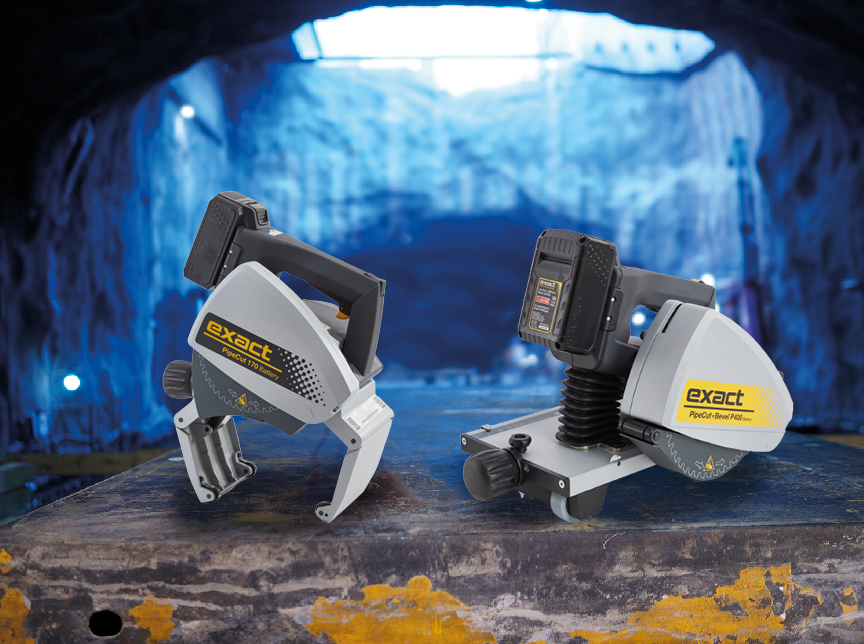
Pipe saws are specialised cutting tools designed to make precise, straight cuts through various pipe materials, including steel, plastic, copper, aluminium, cast iron, stainless steel, and multilayer pipes. These portable cutting machines use cold-cutting technology to deliver clean, smooth cuts that are ready for joining without additional finishing. Professional pipe cutting tools offer significantly faster cutting speeds and improved safety compared with traditional methods such as angle grinders, making them essential equipment for plumbing, construction, and industrial applications.
Understanding the different types of pipe saws helps you select the right tool for your specific cutting requirements. Explore our comprehensive range of professional pipe cutting solutions to find the perfect match for your projects.
What exactly is a pipe saw, and how does it work?
A pipe saw is a portable cutting machine that uses a circular blade to cut through pipes cleanly and precisely. These tools operate on cold-cutting principles, meaning they cut without generating heat, sparks, or flames, making them much safer than traditional cutting methods.
The basic operating principle involves a motorised circular blade that rotates around the pipe’s circumference. The pipe remains stationary while the cutting head moves around it, creating a perfectly straight, perpendicular cut. This method ensures consistent results regardless of the operator’s skill level.
Cold-cutting technology sets pipe saws apart from conventional tools such as angle grinders or reciprocating saws. Because there is no heat generation, the cut edges remain smooth and burr-free, eliminating the need for additional finishing work. The pipe ends are immediately ready for joining, whether through welding, threading, or fitted connections.
Safety benefits include the elimination of fire hazards, reduced noise levels, and minimal dust production. The controlled cutting action also reduces the risk of accidents compared with handheld cutting tools. Most professional pipe saws consume up to 85% less power than angle grinders while delivering superior cutting performance.
What are the main types of pipe saws available today?
Professional pipe cutting tools fall into several distinct categories based on power source, size capacity, and application requirements. The three main types are portable electric saws, pneumatic models, and battery-powered options, each offering specific advantages for different working conditions.
Portable electric pipe saws are the most common type, offering consistent power and performance for continuous operation. These mains-powered units provide reliable cutting force and are ideal for workshop environments or job sites with accessible power sources. They typically handle the widest range of pipe sizes and materials.
Pneumatic pipe saws use compressed air as their power source, making them suitable for hazardous environments where electric tools might pose safety risks. These models excel in areas with explosive atmospheres or where electrical equipment is prohibited. They offer excellent power-to-weight ratios and consistent performance.
Battery-powered pipe saws provide maximum portability and convenience for remote locations or quick cutting tasks. Modern lithium-ion technology delivers impressive cutting capacity per charge, though they are typically best suited for smaller-diameter pipes and lighter-duty applications.
Size classifications range from compact models for residential plumbing work to heavy-duty industrial units capable of cutting large-diameter pipes. Application-specific designs include models optimised for plastic pipes, metal cutting, or multi-material versatility.
How do you choose the right pipe saw for different materials?
Material selection determines both the pipe saw type and blade requirements for optimal cutting performance. Different pipe materials have varying hardness, composition, and cutting characteristics that require specific approaches for the best results.
Steel pipes require robust cutting power and carbide-tipped blades designed for ferrous metals. Look for pipe saws with sufficient torque and cutting speed to handle steel’s density without blade binding or excessive wear.
Plastic pipes, including PE, PP, and PVC, cut easily with most pipe saw types but require specific blade designs to prevent melting or chipping. Sharp, fine-toothed blades with appropriate cutting speeds ensure clean cuts without material deformation.
Copper and aluminium pipes need blades designed for non-ferrous metals to prevent material build-up on the cutting edges. These softer metals cut quickly but can clog standard blades if not properly matched.
Cast iron requires powerful cutting action and blades designed for this brittle material. The cutting process must be controlled to prevent cracking or uneven breaks that could compromise joint integrity.
Stainless steel presents the greatest cutting challenge due to its hardness and work-hardening characteristics. Only high-quality pipe saws with appropriate blade specifications should be used for stainless steel applications.
Multilayer pipes combine different materials and require versatile cutting capabilities. Choose pipe saws and blades that can handle the various layers without delamination or uneven cutting.
What pipe sizes can different types of pipe saws handle?
Pipe saw cutting capacity varies significantly between models, with size ranges typically spanning from small residential applications to large industrial installations. Understanding these capacity limitations helps ensure you select appropriate equipment for your specific requirements.
Small-capacity pipe saws typically handle pipes from 6 mm to 110 mm in diameter, making them ideal for residential plumbing, small commercial installations, and maintenance work. These compact units offer excellent portability while maintaining precision cutting capabilities.
Medium-capacity models cover pipe diameters from 50 mm to 220 mm, serving most commercial and light industrial applications. This size range encompasses the majority of standard plumbing and HVAC installations in commercial buildings.
Large-capacity industrial pipe saws can cut pipes up to 400 mm or larger in diameter, depending on the specific model and application. These heavy-duty units are designed for major construction projects, industrial installations, and infrastructure work.
Wall thickness limitations also affect cutting capacity. Most pipe saws specify maximum wall thickness alongside diameter limits. For example, a saw rated for 220 mm diameter pipes might be limited to a maximum wall thickness of 10 mm for optimal performance.
Size-specific tool recommendations include compact battery models for small pipes, mid-range electric units for general commercial work, and heavy-duty electric or pneumatic models for large industrial applications. Always verify both diameter and wall thickness specifications before selecting equipment.
Professional Pipe Cutting Solutions Comparison
| Model | Pipe Diameter Range | Materials | Key Features |
|---|---|---|---|
| PipeCut P400 | 50–400 mm | Plastic (PE, PP, PVC) | Cut and bevel in one process, 15° bevel capability |
| PipeBevel 220E | 25–220 mm | Steel, stainless steel | Professional bevelling, multiple bevel angles |
| PipeBevel 360E | 110–360 mm | Steel, stainless steel | Heavy-duty bevelling, portable design |
How does Exact Tools help professionals with pipe cutting?
We specialise in revolutionary pipe cutting and finishing solutions that transform how professionals approach pipe installation and maintenance projects. Our innovative PipeCut series delivers cutting speeds up to 10 times faster than traditional methods while maintaining exceptional precision and safety standards.
Our comprehensive product range meets a wide range of professional requirements:
- Material versatility – Our pipe saws cut through steel, plastic, copper, aluminium, cast iron, stainless steel, and multilayer pipes with consistent results
- Size flexibility – From compact residential applications to large industrial installations, our tools handle pipe diameters from 25 mm to over 400 mm
- Advanced technology – Cold-cutting processes eliminate sparks and fire hazards while delivering smooth, ready-to-join pipe ends
- Energy efficiency – Our tools consume 85% less power than conventional angle grinders without compromising performance
Quality certifications, including ISO 9001, ISO 14001, and ISO 45001, demonstrate our commitment to manufacturing excellence, environmental responsibility, and workplace safety. Our products have earned prestigious recognition, including Red Dot Design Awards and GOOD DESIGN Awards, for innovation and user-focused engineering.
With over twenty years of expertise in pipe cutting technology, we continue to develop solutions that address real-world challenges faced by construction, plumbing, and industrial professionals. Contact our technical team to discuss your specific pipe cutting requirements and discover how our tools can improve your project efficiency and results.