

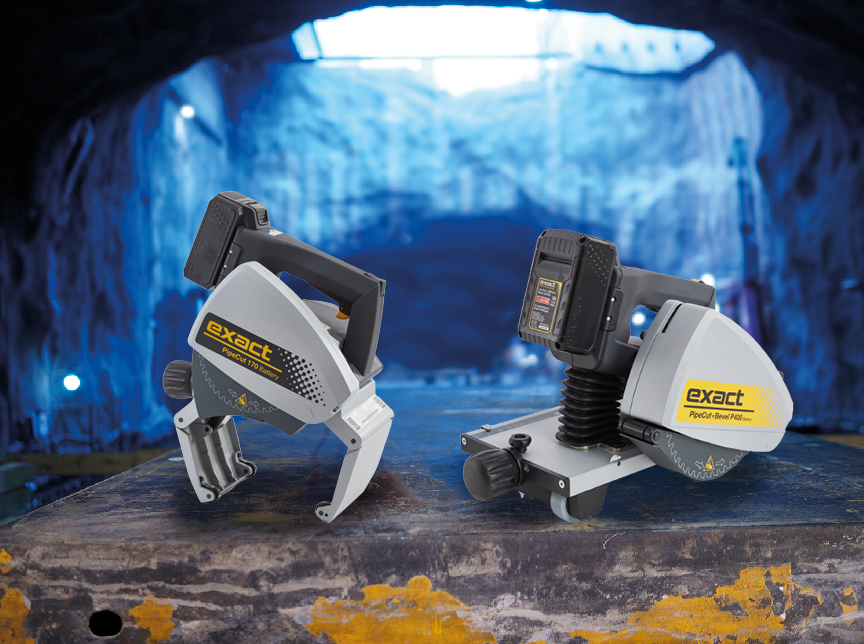
Pipe saw diameter capacity varies significantly depending on the machine’s design and intended application. Most portable pipe saws handle diameters from 25 mm to 400 mm, while industrial models can cut larger pipes. The maximum cutting diameter depends on blade size, motor power, and the saw’s structural design, and different pipe materials can also affect the effective cutting range.
What determines a pipe saw’s maximum cutting diameter?
A pipe saw’s maximum cutting diameter is primarily determined by the blade diameter and the machine’s structural design. Larger blades naturally accommodate larger pipe diameters, but the saw’s frame must provide adequate clearance and support. Motor power also plays a crucial role, as cutting larger-diameter pipes requires more torque to maintain consistent cutting speeds.
The cutting mechanism design significantly affects diameter capacity. Chain-driven pipe saws typically handle larger diameters than blade-based systems because the chain can wrap around pipes of various sizes. The machine’s structural constraints, including throat depth and frame opening, establish physical limits that cannot be exceeded, regardless of blade size or motor power.
These technical factors work together to determine overall diameter limitations. A powerful motor with a small blade cannot cut large pipes if the frame lacks sufficient clearance. Similarly, a large blade with inadequate motor power will struggle with thick-walled pipes, even within the stated diameter range. Understanding these interdependencies helps explain why different pipe saw models have varying diameter specifications.
How do different pipe materials affect cutting diameter capabilities?
Pipe material properties directly influence a saw’s effective cutting diameter through their impact on cutting resistance and blade wear. Harder materials, such as cast iron and stainless steel, require more cutting force, which may reduce the maximum practical diameter compared with softer materials, such as plastic or aluminium. The material’s thickness-to-diameter ratio also affects cutting performance.
Steel pipes generally allow pipe saws to operate at their full diameter capacity because the material cuts predictably and does not cause excessive blade deflection. Plastic pipes can sometimes be cut at larger diameters than the manufacturer’s steel-pipe specifications because they require less cutting force. However, plastic’s tendency to melt or chip requires specific blade types and cutting speeds.
Cast iron and stainless steel present the greatest challenges for maximum-diameter cutting. These materials generate more heat and cause faster blade wear, potentially requiring slower cutting speeds that may make larger-diameter cuts impractical. Multi-layer pipes combine different material properties, requiring careful consideration of each layer’s characteristics when determining effective cutting diameter limits.
What pipe diameters can portable pipe saws typically handle?
Portable pipe saws typically handle pipe diameters ranging from 25 mm to 400 mm, depending on the model category. Compact portable models usually cut pipes up to 150–220 mm in diameter, while heavy-duty portable units can handle diameters up to 360–400 mm. The trade-off between portability and cutting capacity means that greater diameter capability generally comes with increased weight and size.
Lightweight portable pipe saws prioritise ease of transport and single-person operation, typically limiting diameter capacity to around 220 mm. These models weigh between 3 and 6 kg and are designed for frequent repositioning on job sites. Mid-range portable saws balance cutting capacity with portability, handling diameters up to 280–300 mm while remaining manageable for two-person teams.
Heavy-duty portable pipe saws maximise cutting diameter within portable constraints, reaching 360–400 mm capacity. However, these units require more setup time and may need additional support equipment. The portability versus capacity trade-off means selecting the right model depends on whether maximum diameter capability or ease of transport takes priority for specific applications.
For professional pipe-cutting applications, explore our comprehensive range of pipe saws designed to meet various diameter requirements while maintaining portability for on-site work.
Which factors should you consider when choosing a pipe saw for specific diameter requirements?
Diameter requirements should be your primary selection criterion, but consider both current needs and potential future applications. Choose a pipe saw with capacity slightly above your typical requirements to accommodate occasional larger pipes. However, avoid significant overcapacity that adds unnecessary weight and cost without practical benefit for your regular work.
Material types significantly influence the appropriate pipe saw selection. If you primarily cut steel and stainless steel, ensure the saw’s motor power adequately handles these harder materials at your required diameters. For mixed-material applications, verify that the saw includes appropriate blade options and cutting-speed adjustments for different pipe types.
Consider the following practical factors when matching pipe saw capabilities to job demands:
- Cutting frequency – High-volume operations justify investing in higher-capacity models
- Portability requirements – Job site accessibility may limit acceptable machine size and weight
- Power availability – Ensure adequate electrical supply for larger-diameter cutting requirements
- Blade availability – Verify replacement blades are readily available for your diameter range
- Setup complexity – Larger-capacity saws may require more preparation time
Budget considerations should balance initial cost against long-term productivity gains. A pipe saw that handles your diameter requirements efficiently will reduce cutting time and improve work quality, potentially justifying a higher upfront investment through improved operational efficiency.
How does Exact Tools help customers with pipe cutting?
We specialise in providing comprehensive pipe-cutting solutions that address diverse diameter requirements across industrial applications. Our PipeCut series offers models ranging from compact units with 25 mm capacity to heavy-duty systems that handle pipes up to 400 mm in diameter. Each machine delivers precise, clean cuts that eliminate the need for additional finishing work.
Our pipe-cutting technology addresses the common challenge of matching tool capacity to job requirements. The PipeCut range includes models optimised for different diameter ranges, ensuring customers can select equipment that matches their specific needs without paying for unnecessary capacity. All our pipe saws cut through steel, plastic, copper, aluminium, cast iron, stainless steel, and multi-layer pipes with consistent results.
Here are three examples of our pipe-cutting solutions and their diameter capabilities:
PipeCut P400 System
| Pipe Diameter Range: | 50 mm – 400 mm |
| Materials: | PE, PP, PVC, and other plastic pipes |
| Key Feature: | Cut and bevel in one process with a 15-degree bevel |
| Weight: | 6.0 kg |
PipeBevel 360E System
| Pipe Diameter Range: | 110 mm – 360 mm and up |
| Materials: | Steel and stainless steel |
| Key Feature: | Professional bevelling with multiple angle options |
| Wall Thickness: | Up to 10 mm |
PipeBevel 220E System
| Pipe Diameter Range: | 25 mm – 220 mm and up |
| Materials: | Steel and stainless steel |
| Key Feature: | Lightweight and portable design |
| Wall Thickness: | Up to 10 mm |
Our commitment extends beyond providing equipment to ensuring customers achieve optimal results in their pipe-cutting applications. We offer comprehensive technical support to help customers select the appropriate machine for specific diameter requirements and provide ongoing assistance with maintenance and operation. Contact our technical team to discuss your specific pipe diameter requirements and find the ideal cutting solution for your applications.