

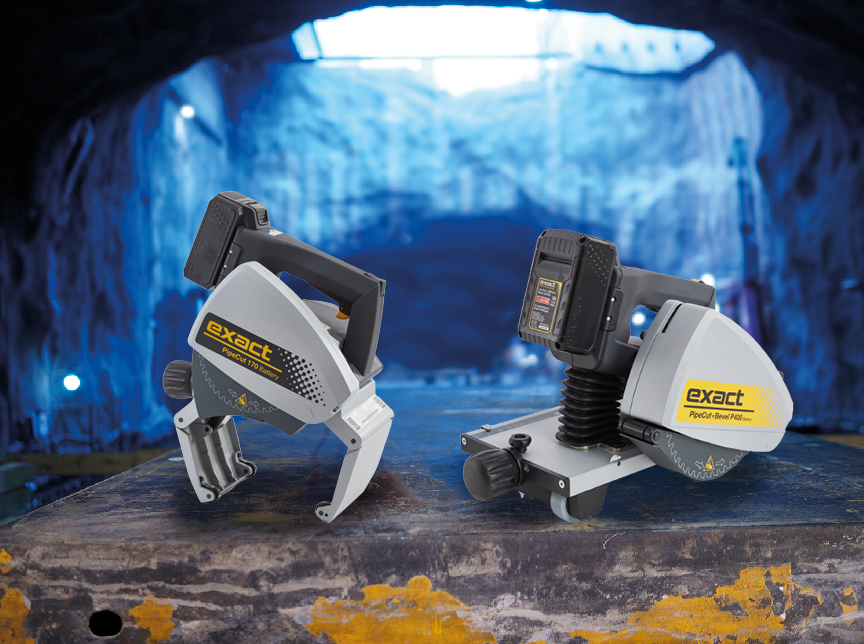
Cold cutting in pipe sawing is a spark-free cutting method that uses mechanical force rather than heat to cut through pipes. Unlike traditional methods such as angle grinders, which generate sparks and extreme heat, cold-cutting pipe saws use rotating blades that slice cleanly through materials without producing flames or hot debris. This technology significantly improves workplace safety while delivering faster cutting speeds and cleaner results that are ready for immediate joining.
Professional contractors and industrial workers increasingly choose cold-cutting technology for its combination of safety benefits and superior performance. Explore our comprehensive range of pipe saws to discover how cold cutting can transform your pipe installation projects.
What is cold cutting and how does it differ from traditional pipe cutting methods?
Cold-cutting technology employs mechanical cutting action through sharp, rotating blades that slice through pipe materials without generating heat or sparks. The process relies on precisely engineered cutting edges that shear through metal, plastic, and composite materials using controlled rotational force rather than abrasive friction.
Traditional pipe-cutting methods, particularly angle grinders, create intense heat through abrasive action between the cutting disc and the pipe material. This friction-based cutting generates temperatures exceeding 1,000°C, producing dangerous sparks, hot metal debris, and potential fire hazards. The heat also affects the pipe’s material structure, often creating rough, uneven cuts that require additional finishing work.
Cold-cutting pipe saws operate on fundamentally different principles. The mechanical cutting action maintains material integrity by avoiding heat generation. Sharp carbide-tipped blades rotate at optimal speeds to create clean, precise cuts without altering the pipe’s metallurgical properties or creating thermal stress around the cut zone.
The fundamental difference lies in the cutting mechanism itself. While traditional methods rely on material removal through abrasion and heat, cold cutting achieves superior results through precise mechanical shearing that preserves material quality and eliminates safety risks associated with high-temperature cutting processes.
Why is cold cutting considered safer than conventional pipe cutting techniques?
Cold cutting eliminates the primary safety hazards associated with conventional pipe cutting by producing no sparks, flames, or hot debris during operation. This spark-free cutting technology dramatically reduces fire risks, which is particularly crucial when working near flammable materials, in confined spaces, or around sensitive equipment.
Traditional cutting methods create multiple safety concerns. Angle grinders generate thousands of sparks that can travel several metres, igniting combustible materials and causing serious burns. The extreme heat produced can also cause severe injuries through direct contact with hot metal surfaces or flying debris. Additionally, the intense heat creates toxic fumes when cutting certain materials, requiring additional ventilation and protective equipment.
Cold-cutting technology addresses these workplace safety challenges comprehensively. The absence of sparks eliminates fire hazards entirely, while the lack of hot debris significantly reduces burn risks. Operators can work more confidently in environments where traditional cutting methods would be prohibited or would require extensive safety precautions.
Compliance with industrial safety regulations becomes straightforward with cold-cutting methods. Many facilities restrict or ban spark-producing equipment in certain areas, making cold-cut pipe saws essential for maintaining operations while meeting safety standards. The technology also reduces insurance liability and the potential for workplace accident claims.
What types of pipes and materials can be cut using cold cutting technology?
Cold-cutting pipe saws effectively cut through steel, plastic, copper, aluminium, cast iron, stainless steel, and multi-layer pipes across a wide range of sizes and wall thicknesses. The versatility of this technology makes it suitable for virtually all common piping materials used in construction, plumbing, and industrial applications.
Steel pipes, including carbon steel and alloy variants, cut cleanly without heat-affected zones that can weaken the material. Stainless steel, which presents challenges for traditional cutting methods due to work hardening, responds excellently to cold-cutting techniques that avoid heat generation and maintain the material’s corrosion-resistant properties.
Plastic pipes, including PE, PP, PVC, and composite materials, benefit significantly from cold cutting. Traditional methods often melt plastic edges, creating rough surfaces and potential weak points. Cold-cut pipe technology produces smooth, clean edges that ensure proper-fitting connections and long-term joint integrity.
Non-ferrous metals such as copper and aluminium cut exceptionally well with cold-cutting methods. These materials, which can clog traditional cutting discs or create problematic heat build-up, slice cleanly through mechanical cutting action. Cast iron, notorious for creating dangerous showers of sparks when cut with grinders, poses no safety concerns when processed with cold-cutting pipe saws.
How does cold cutting technology improve cutting speed and efficiency?
Cold-cutting technology delivers cutting speeds up to 10 times faster than traditional methods while producing clean, straight cuts that are ready for immediate joining. The efficient cutting action eliminates time-consuming preparation work, post-cutting clean-up, and edge finishing typically required with conventional cutting techniques.
The superior cutting speed results from optimised blade design and controlled cutting parameters. Unlike angle grinders, which remove material through abrasive action, cold-cutting pipe saws slice through materials efficiently using sharp cutting edges that maintain their effectiveness longer. This consistent performance eliminates the frequent blade changes and reduced cutting efficiency associated with worn grinding discs.
Productivity improvements extend beyond raw cutting speed. The industrial pipe cutting process produces square, clean cuts that fit together perfectly without additional preparation. Traditional cutting methods often require deburring, cleaning, and edge preparation before pipes can be joined, adding significant time to each connection.
The elimination of post-cutting clean-up represents another major efficiency gain. Conventional methods scatter metal debris and create a mess that requires clean-up time. Cold cutting produces minimal waste and keeps work areas clean, allowing operators to move efficiently between cuts without interruption for housekeeping tasks.
How does Exact Tools help professionals with cold cutting?
We manufacture innovative cold-cutting pipe saws that deliver professional-grade performance for contractors and industrial users worldwide. Our PipeCut series represents over 30 years of Finnish engineering expertise, providing safe pipe cutting methods that eliminate sparks while delivering exceptional speed and precision.
Our comprehensive product range addresses diverse professional requirements across multiple industries. From compact, portable units for fieldwork to specialised systems for specific materials, we provide cold-cutting solutions that improve workplace safety and operational efficiency. Each machine undergoes rigorous testing to ensure consistent performance in demanding professional environments.
Featured Cold Cutting Solutions
| Product | Pipe Size Range | Materials | Key Features |
|---|---|---|---|
| PipeCut P400 | 50 mm–400 mm | Plastic pipes (PE, PP, PVC) | Cut and bevel in one process; 15° bevel capability |
| PipeBevel 220E | 25 mm–220 mm | Steel, stainless steel | Portable beveller; multiple bevel angles |
| PipeBevel 360E | 110 mm–360 mm | Steel, stainless steel | Professional bevelling; built-in stopper feature |
Our commitment to quality is supported by ISO 9001, ISO 14001, and ISO 45001 certifications, ensuring every product meets the highest standards for quality management, environmental responsibility, and occupational safety. Multiple design awards, including Red Dot Design Awards, recognise our innovative approach to professional pipe-cutting challenges.
Professional contractors benefit from our comprehensive support network, including technical guidance, training resources, and responsive customer service. We understand the demands of professional pipe installation work and design our equipment to withstand rigorous daily use while maintaining consistent performance.
Ready to experience the safety and efficiency advantages of professional cold-cutting technology? Browse our complete range of pipe saws or contact our technical team for personalised recommendations based on your specific requirements.