

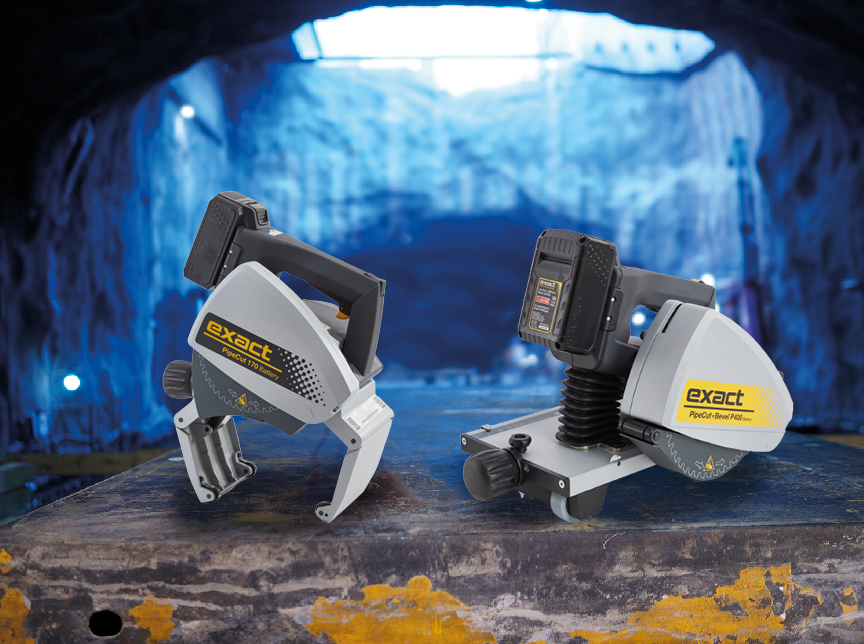
Proper personal protective equipment is mandatory for all pipe-cutting operations to protect workers from metal fragments, sparks, noise, and harmful dust. Essential PPE includes safety glasses, hearing protection, respiratory masks, and cut-resistant gloves. Specific requirements vary based on the cutting method, pipe material, and workplace safety standards, and modern pipe-cutting technologies can enhance safety by reducing hazard exposure.
What basic PPE is mandatory for all pipe cutting operations?
All pipe-cutting operations require four essential types of personal protective equipment: eye protection, hearing protection, respiratory protection, and hand protection. Safety glasses or face shields protect against flying metal particles and debris, while hearing protection prevents damage from equipment noise levels that often exceed 85 decibels.
Respiratory protection becomes critical when cutting generates dust or fumes, particularly with steel, cast iron, or coated pipes. Approved dust masks or respirators filter harmful particles from the breathing zone. Cut-resistant gloves protect hands from sharp pipe edges and blade contact while maintaining dexterity for precise work.
Workplace safety standards require employers to conduct hazard assessments and provide appropriate PPE based on specific cutting conditions. Construction sites typically mandate additional protection, including hard hats, high-visibility clothing, and steel-toed boots. Industrial environments may require flame-resistant clothing when using spark-generating cutting methods.
Regular PPE inspections ensure protective equipment remains effective throughout the workday. Workers must receive proper training on PPE selection, fitting, and maintenance to comply with occupational health regulations. Explore professional pipe cutting solutions that reduce traditional PPE requirements through advanced safety features.
How do different pipe cutting methods affect PPE requirements?
Traditional cutting methods like angle grinders and reciprocating saws require extensive PPE due to high spark generation, extreme noise levels, and significant dust production. Angle grinders create thousands of sparks that can reach temperatures above 1,500°C, necessitating flame-resistant clothing, full-face protection, and fire-resistant barriers in the work area.
Reciprocating saws generate substantial vibration and metal debris, requiring anti-vibration gloves and comprehensive eye protection. These methods typically produce noise levels exceeding 100 decibels, making hearing protection absolutely essential to prevent permanent hearing damage during extended use.
Modern pipe-cutting machines significantly reduce PPE requirements through cold-cutting technology that eliminates spark generation. These machines operate at lower noise levels, typically under 80 decibels, reducing the need for hearing protection. The controlled cutting action minimises airborne particles, allowing workers to use lighter respiratory protection.
Cold-cutting systems prevent fire hazards entirely, eliminating the need for flame-resistant clothing and fire-watch personnel. This technology allows work in confined spaces and near flammable materials where traditional spark-generating methods would be prohibited. Reduced PPE requirements improve worker comfort and productivity while maintaining superior safety standards.
What additional safety equipment is needed for specific pipe materials?
Cutting steel and cast iron requires enhanced respiratory protection due to iron oxide particles and potential exposure to metallic fumes. Workers need P2-rated dust masks or powered air-purifying respirators in enclosed spaces. Cutting stainless steel may release chromium and nickel particles, requiring specialised respiratory filters and enhanced ventilation systems.
Plastic pipe cutting presents unique challenges, including potential toxic fume release, particularly from PVC and treated materials. Chemical-resistant gloves prevent skin contact with plastic particles, while organic vapour respirators filter harmful gases released during cutting. Eye protection must resist chemical splashes when cutting certain polymer pipes.
Copper and aluminium pipes generate fine metallic dust that requires appropriate filtration. Multi-layer pipes containing various materials require comprehensive protection that addresses the hazards of each component. Coated pipes may release toxic substances, requiring specialised respiratory protection and full skin coverage.
Material safety data sheets provide specific PPE recommendations for each pipe type and coating system. Workers must understand material composition before beginning cutting operations to select appropriate protective equipment. Emergency eyewash stations and first-aid supplies become essential when cutting pipes with chemical treatments or unknown compositions.
Why is proper fit and maintenance of PPE critical for pipe cutting safety?
Poorly fitted PPE provides inadequate protection and creates additional safety hazards during pipe-cutting operations. Loose-fitting respirators allow contaminated air to bypass filters, while oversized gloves reduce grip strength and increase the risk of blade contact. Safety glasses that slip or fog impair vision and encourage workers to remove protection during critical moments.
Regular PPE inspection schedules identify wear, damage, and contamination that compromise protective effectiveness. Safety glasses with scratched lenses reduce visibility, while damaged respirator seals allow harmful particles to enter the breathing zone. Cut-resistant gloves lose protective properties when fibres become worn or contaminated with oils.
Proper storage prevents PPE degradation between uses. Respirator filters require replacement based on exposure levels and manufacturer recommendations. Safety equipment exposed to extreme temperatures, chemicals, or UV light may fail unexpectedly during use.
Training programmes ensure workers understand fitting procedures, inspection techniques, and replacement schedules. Documented PPE maintenance records demonstrate compliance with safety regulations and help identify patterns that require equipment upgrades. Contact our safety specialists for guidance on optimising PPE programmes for specific cutting applications.
How does Exact Tools help professionals maintain safer pipe cutting operations?
We revolutionise pipe-cutting safety through innovative cold-cutting technology that eliminates sparks, reduces noise levels, and minimises dust generation. Our PipeCut series delivers up to 85% lower power consumption than angle grinders while producing clean, precise cuts without the fire hazards associated with traditional methods.
Our machines operate at significantly reduced noise levels, often eliminating the need for hearing protection in many applications. The controlled cutting action produces minimal airborne particles, reducing respiratory protection requirements. This technology allows work in previously restricted areas, including confined spaces and locations near flammable materials.
Key safety advantages of our pipe-cutting solutions include:
- Zero spark generation through cold-cutting processes
- Reduced noise levels improving workplace communication
- Minimal dust production protecting respiratory health
- Precise cutting control reducing operator injury risk
- Lightweight, portable designs preventing strain injuries
Featured Exact Tools Pipe Cutting Solutions
| Product | Materials | Pipe Sizes | Key Safety Features |
|---|---|---|---|
| PipeCut P400 | PE, PP, PVC plastics | 50-400mm diameter | Cut and bevel in one process, no sparks, lightweight design |
| PipeBevel 220E | Steel, stainless steel | 25-220mm diameter | Spark-free operation, consistent bevels, portable system |
| PipeBevel 360E | Steel, stainless steel | 110-360mm diameter | No flames or sparks, easy setup, professional bevelling |
We maintain ISO 9001, ISO 14001, and ISO 45001 certifications, demonstrating our commitment to quality management, environmental responsibility, and occupational safety. Our engineering team continuously develops solutions that prioritise worker protection while delivering superior cutting performance.
Professional contractors worldwide trust our technology to reduce workplace injuries, lower insurance costs, and improve project safety records. Discover how our pipe cutting solutions can transform your safety protocols while increasing productivity and reducing operational costs.