

Pipe-cutting injuries represent one of the most serious workplace safety concerns in industrial settings. The most common pipe-cutting injuries include deep lacerations from blade contact, eye injuries from metal debris, burns from hot surfaces and sparks, and respiratory problems from inhaling metal particles. These incidents occur frequently due to improper safety protocols, inadequate protective equipment, and the high-powered nature of traditional cutting methods that generate heat, sparks, and vibration.
Understanding these risks helps workers implement proper safety measures and choose cutting methods that minimise the risk of injury. Modern pipe-cutting technologies offer significantly safer alternatives to traditional methods whilst maintaining cutting efficiency.
What are the most serious types of pipe-cutting injuries?
The most severe pipe-cutting injuries include deep lacerations requiring surgical repair, permanent eye damage from metal fragments, severe burns from sparks and hot metal, and long-term respiratory conditions from inhaling cutting debris. These injuries often result in extended time off work and can cause permanent disability.
Lacerations are the most common serious injury in pipe-cutting operations. They occur when workers lose control of cutting tools, when blades bind or kick back, or during blade changes without proper safety procedures. Deep cuts to the hands, arms, and legs often require emergency medical attention and can damage tendons, nerves, or blood vessels.
Eye injuries from pipe-cutting accidents range from minor irritation to permanent vision loss. Metal particles, sparks, and debris can become projectiles during cutting operations, particularly when using angle grinders or other high-speed tools. Even small metal fragments can cause corneal scratches, embedded foreign objects, or chemical burns from cutting fluids.
Burn injuries occur frequently with traditional cutting methods that generate extreme heat. Workers can suffer burns from direct contact with hot cut surfaces, exposure to sparks, and accidents involving cutting torches. These thermal injuries can be particularly severe when cutting through pipes containing flammable materials or working in confined spaces where heat accumulates.
Why do pipe-cutting accidents happen so frequently?
Pipe-cutting accidents occur frequently because traditional cutting methods involve high-risk factors, including extreme heat generation, spark production, tool vibration, and operator fatigue. Many accidents result from workers bypassing safety protocols to meet tight deadlines or using inappropriate tools for specific pipe materials.
Inadequate training contributes significantly to accident rates in pipe-cutting operations. Many workers learn cutting techniques informally without proper instruction on safety procedures, tool maintenance, or hazard recognition. This knowledge gap leads to poor cutting techniques, improper tool selection, and failure to recognise dangerous situations before accidents occur.
Equipment-related factors cause numerous pipe-cutting injuries. Poorly maintained tools with dull blades require excessive force, increasing the risk of slipping or binding. Worn safety guards, damaged power cords, and improperly secured workpieces create additional hazards that experienced workers may overlook due to familiarity with their tools.
Environmental conditions at construction and industrial sites compound injury risks. Poor lighting makes precise cutting difficult, whilst cramped working conditions limit proper tool handling and escape routes. Noise from cutting operations can mask warning sounds, and dust or debris can obscure vision and create slippery surfaces.
Time pressure is a major contributing factor to workplace pipe-cutting accidents. Workers rushing to meet deadlines often skip safety steps, use inappropriate cutting methods for speed, or continue working with faulty equipment rather than stopping for repairs or replacements.
How can workers prevent injuries when cutting pipes?
Workers can prevent pipe-cutting injuries by following comprehensive safety protocols, including proper use of personal protective equipment, correct cutting techniques, thorough workspace preparation, and regular tool maintenance. The most effective prevention strategy combines multiple safety measures rather than relying on any single precaution.
Essential safety protocols begin before cutting starts. Workers should inspect all cutting equipment for damage, ensure proper blade installation and guard positioning, and verify that safety switches function correctly. Securing the workpiece properly prevents movement during cutting, whilst clearing the work area of tripping hazards and flammable materials reduces accident risks.
Proper cutting techniques significantly reduce injury risk. Maintaining a firm grip with both hands, cutting away from the body, and allowing tools to reach full speed before contact help prevent many common accidents. Workers should never force cuts through resistant materials, remove safety guards, or attempt to catch falling pipe sections.
Regular tool maintenance prevents many equipment-related injuries. Sharp blades cut more easily with less force required, reducing the chance of slipping or binding. Clean, well-lubricated tools operate more predictably, whilst properly calibrated guards and safety features provide reliable protection.
Safe pipe-cutting practices include:
- Always wearing complete personal protective equipment
- Securing workpieces with appropriate clamps or supports
- Maintaining proper body positioning and balance
- Using the correct cutting tool for each pipe material
- Taking regular breaks to prevent fatigue-related errors
- Never working alone during hazardous cutting operations
What safety equipment is essential for pipe-cutting operations?
Essential safety equipment for pipe cutting includes comprehensive eye protection with side shields, respiratory protection rated for metal particles, cut-resistant gloves, hearing protection, and flame-resistant clothing. Each piece of equipment addresses specific hazards present in pipe-cutting operations and must meet relevant safety standards.
Eye protection is the most critical safety equipment for pipe-cutting work. Safety glasses with side shields provide basic protection, whilst safety goggles offer superior coverage against flying debris. For operations generating significant sparks or using cutting fluids, full face shields provide additional protection whilst allowing a clear view of the cutting area.
Respiratory protection prevents inhalation of dangerous particles generated during pipe cutting. Disposable dust masks provide minimal protection suitable only for light cutting operations. Operations involving significant dust, metal particles, or cutting fluids require respirators with appropriate filter ratings to prevent long-term respiratory damage.
Hand protection must balance cut resistance with dexterity requirements. Cut-resistant gloves rated for the specific cutting method protect against blade contact whilst allowing proper tool control. However, loose-fitting gloves can catch in rotating equipment, so proper fit and material selection are essential.
Essential safety equipment checklist:
- Eye protection: Safety glasses, goggles, or face shields with impact resistance
- Hearing protection: Earplugs or noise-cancelling headphones rated for industrial use
- Respiratory protection: Dust masks or respirators appropriate for the cutting method
- Protective clothing: Long sleeves, long trousers, and closed-toe shoes
- Hand protection: Cut-resistant gloves with proper fit and grip
How does modern pipe-cutting technology improve workplace safety?
Modern pipe-cutting technology dramatically improves workplace safety through cold-cutting processes that eliminate spark generation, reduced-vibration systems that improve operator control, and automated safety features that prevent common operator errors. These advances address the primary causes of traditional pipe-cutting injuries.
Cold-cutting technology is the most significant safety advancement in pipe-cutting operations. Unlike traditional methods that generate extreme heat and sparks, modern pipe saws cut through materials without thermal effects. This eliminates burn risks and fire hazards and reduces personal protective equipment requirements whilst maintaining cutting speed and precision.
Reduced vibration in modern cutting equipment improves operator control and reduces fatigue-related accidents. Traditional cutting tools often produce significant vibration that makes precise control difficult and contributes to operator fatigue. Modern designs incorporate vibration-dampening systems that allow better control whilst reducing physical stress on operators during extended cutting operations.
Automated safety features in contemporary pipe-cutting equipment prevent many common operator errors. These include automatic blade guards that deploy when cutting stops, overload protection that prevents motor damage and blade binding, and ergonomic designs that promote proper handling techniques.
Featured Pipe Cutting Solutions
| Model | Pipe Materials | Pipe Size Range | Key Safety Features |
|---|---|---|---|
| PipeBevel 220E | Steel, stainless steel | 25-220 mm diameter | No sparks, lightweight design, built-in stopper |
| PipeBevel 360E | Steel, stainless steel | 110-360 mm diameter | Cold cutting, portable design, consistent results |
| PipeCut P400 | Plastic pipes (PE, PP, PVC) | 50-400 mm diameter | Cut and bevel simultaneously, reduced handling |
Reduced power consumption in modern pipe-cutting equipment contributes to safety by reducing heat generation and electrical hazards. Advanced cutting technologies consume significantly less power than traditional methods whilst delivering superior cutting performance. This efficiency reduces the risk of electrical overload and eliminates many heat-related safety concerns.
How Exact Tools helps improve pipe-cutting safety
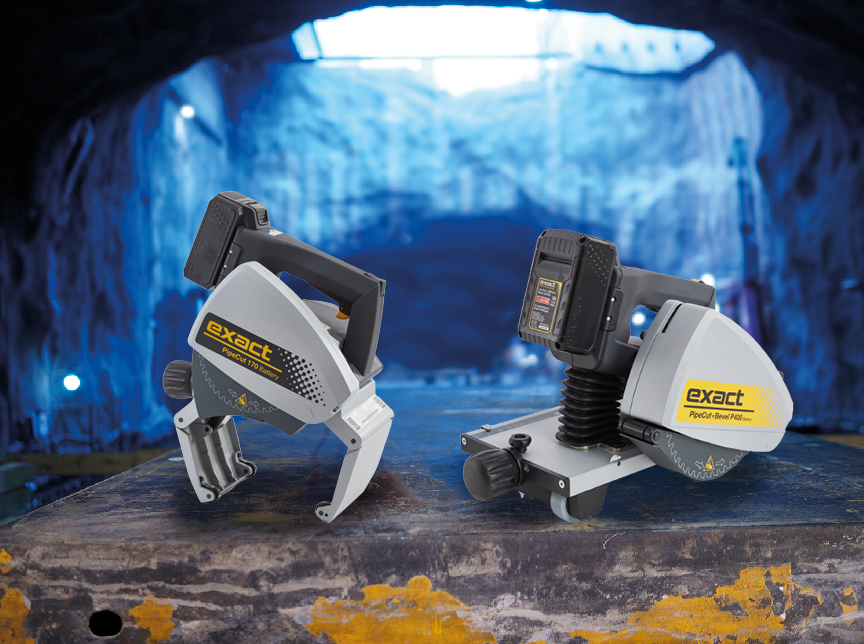
We specialise in developing revolutionary pipe-cutting solutions that prioritise operator safety whilst delivering exceptional cutting performance. Our Finnish-engineered pipe-cutting technology eliminates many traditional safety hazards through innovative cold-cutting processes that produce no sparks, generate minimal heat, and require significantly less operator force than conventional methods.
Our comprehensive approach to pipe-cutting safety includes:
- Cold-cutting technology: Eliminates fire hazards and burn risks completely
- Ergonomic design: Reduces operator fatigue and improves cutting control
- Reduced-vibration systems: Minimises hand-arm vibration syndrome risks
- Lightweight construction: Decreases physical strain during extended operations
- Precision cutting: Reduces the need for secondary operations and handling
We provide comprehensive training and support to ensure safe operation of our equipment. Our machines feature intuitive controls that are consistent across our product range, making it easy for operators to transition between different cutting applications whilst maintaining consistent safety practices.
For professional pipe-cutting solutions that prioritise safety without compromising performance, explore our complete range of pipe-cutting equipment or contact our safety specialists to discuss your specific cutting requirements and safety objectives.