

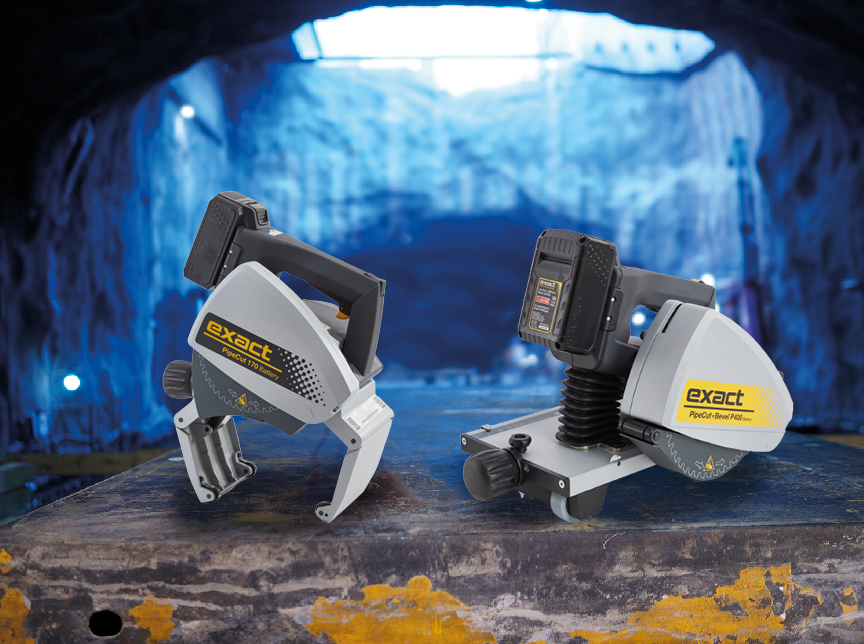
Pipe saw troubleshooting requires systematic safety protocols to prevent injury while maintaining equipment performance. Most pipe-cutting problems stem from blade wear, motor issues, or improper operation. Professional pipe cutting tools with built-in safety features significantly reduce troubleshooting risks. This guide addresses common pipe saw problems, safe diagnostic procedures, and maintenance practices that protect operators during equipment servicing.
What are the most common pipe saw problems and their warning signs?
The most frequent pipe saw problems include blade dulling, motor overheating, cutting irregularities, excessive vibration, and power fluctuations. These issues typically develop gradually, making early detection crucial to preventing safety hazards and equipment damage.
Blade dulling manifests as increased cutting resistance, rough or uneven cuts, and burn marks on pipe surfaces. Fresh blades should cut through materials smoothly without requiring excessive pressure. When operators notice they are applying more force to achieve cuts, blade replacement becomes necessary.
Motor overheating presents warning signs, including unusual odours, reduced cutting speed, and automatic shutoffs. Proper ventilation around the motor housing prevents most overheating issues. Blocked air vents or continuous heavy-duty operation without breaks commonly cause thermal problems.
Cutting irregularities appear as angled cuts, rough edges, or inconsistent cutting depths. These problems often indicate blade misalignment, worn guide components, or incorrect cutting-speed settings. Professional pipe-cutting systems maintain consistent cutting quality through precise engineering and proper maintenance protocols.
How do you safely diagnose pipe saw issues without risking injury?
Safe pipe saw diagnosis requires complete equipment shutdown, disconnection from power sources, and a comprehensive visual inspection before any hands-on troubleshooting. Never attempt diagnosis on running equipment or bypass safety mechanisms during inspection procedures.
Begin troubleshooting by following proper shutdown procedures:
- Switch off the machine and allow it to come to a complete stop
- Disconnect it from the electrical power source
- Wait for all moving parts to stop rotating
- Engage any locking mechanisms or safety switches
Visual inspection techniques identify most common problems without physical contact. Examine blade condition, motor housing cleanliness, electrical connections, and structural integrity. Look for loose bolts, damaged guards, or worn components that might affect safe operation.
Testing procedures should progress gradually from basic functionality to operational performance. Reconnect power only after completing visual inspections and ensuring all safety guards remain properly positioned. Modern pipe-cutting systems incorporate multiple safety features that prevent operation when components are incorrectly positioned.
What safety equipment is essential when troubleshooting pipe cutting tools?
Essential safety equipment includes safety glasses, cut-resistant gloves, hearing protection, and appropriate work clothing that prevents loose fabric from contacting moving parts. Additional protective measures depend on the specific troubleshooting activities and work environment conditions.
Personal protective equipment requirements:
- Safety glasses with side shields for eye protection
- Cut-resistant gloves rated for metal handling
- Hearing protection during operational testing
- Steel-toed boots for foot protection
- Close-fitting clothing without loose sleeves or drawstrings
Workspace safety measures include adequate lighting, clean work surfaces, and proper ventilation. Remove tripping hazards and ensure emergency stops remain easily accessible. Maintain clear escape routes and keep first-aid supplies readily available during troubleshooting activities.
Emergency procedures should include immediate shutdown protocols, injury response plans, and emergency contact information. Professional pipe-cutting equipment often includes emergency-stop features and safety interlocks that automatically prevent dangerous operation when improperly configured.
How do you maintain pipe saw blades to prevent cutting problems?
Proper blade maintenance involves regular cleaning, timely replacement, correct storage, and appropriate blade selection for specific pipe materials. Well-maintained blades ensure clean cuts, reduce operator fatigue, and minimise safety risks during pipe-cutting operations.
Cleaning techniques remove accumulated debris that affects cutting performance. Use appropriate solvents to dissolve adhesive residues and wire brushes to remove metal particles. Avoid aggressive cleaning methods that might damage blade teeth or coating materials.
Replacement timing depends on cutting frequency, material types, and performance indicators. Replace blades when cutting requires excessive force, produces rough edges, or generates unusual heat. Professional operators typically keep spare blades on hand to avoid production delays.
Storage methods preserve blade sharpness and prevent damage. Store blades in protective cases, keep them dry, and avoid contact between cutting edges. Proper storage extends blade life and ensures consistent cutting performance when blades return to service.
When should you stop using a pipe saw and seek professional repair?
Stop using pipe saws immediately if you experience electrical problems, structural damage, safety-guard failures, or any condition that compromises operator safety. Professional repair becomes necessary when problems exceed basic maintenance capabilities or involve complex mechanical systems.
Warning signs requiring immediate shutdown include:
- Electrical sparking or burning odours
- Excessive vibration or unusual noises
- Damaged safety guards or emergency stops
- Structural cracks or loose mounting points
- Inconsistent power delivery or motor problems
Professional service criteria involve technical complexity, safety implications, and warranty considerations. Qualified technicians possess specialised knowledge, proper tools, and replacement parts for comprehensive repairs. Contact professional service providers when troubleshooting reveals problems beyond operator-level maintenance.
Documentation requirements include problem descriptions, operating conditions, and maintenance history. Detailed records help service technicians diagnose problems efficiently and identify patterns that might indicate systemic issues requiring attention.
How does Exact Tools help professionals with safe pipe cutting?
We manufacture professional pipe-cutting solutions with integrated safety features, comprehensive support, and proven reliability for industrial applications. Our PipeCut series addresses common troubleshooting concerns through superior engineering and user-focused design principles.
Featured Exact Tools Pipe Cutting Solutions:
| Product | Pipe Materials | Pipe Sizes | Key Safety Features |
|---|---|---|---|
| PipeCut P400 | PE, PP, PVC plastics | 50–400 mm diameter | Simultaneous cut and bevel, controlled speed of 4,000 rpm |
| PipeBevel 220E | Steel, stainless steel | 25–220 mm diameter | No sparks or flames, built-in stopper, three cutting tips per head |
| PipeBevel 360E | Steel, stainless steel | 110–360 mm diameter | Portable design, spark-free operation, multiple bevel angles |
Our equipment reduces troubleshooting needs through robust construction, intuitive operation, and comprehensive safety systems. Professional pipe-cutting tools eliminate common problems such as inconsistent cuts, excessive vibration, and operator fatigue through precision engineering and ergonomic design.
We provide complete support, including technical documentation, maintenance guidance, and professional service networks. Our ISO 9001, ISO 14001, and ISO 45001 certifications demonstrate our commitment to quality management, environmental responsibility, and occupational safety standards that protect operators and equipment investments.
For professional pipe-cutting solutions that minimise troubleshooting needs and maximise workplace safety, explore our complete range of pipe-cutting systems designed for reliable industrial performance.