

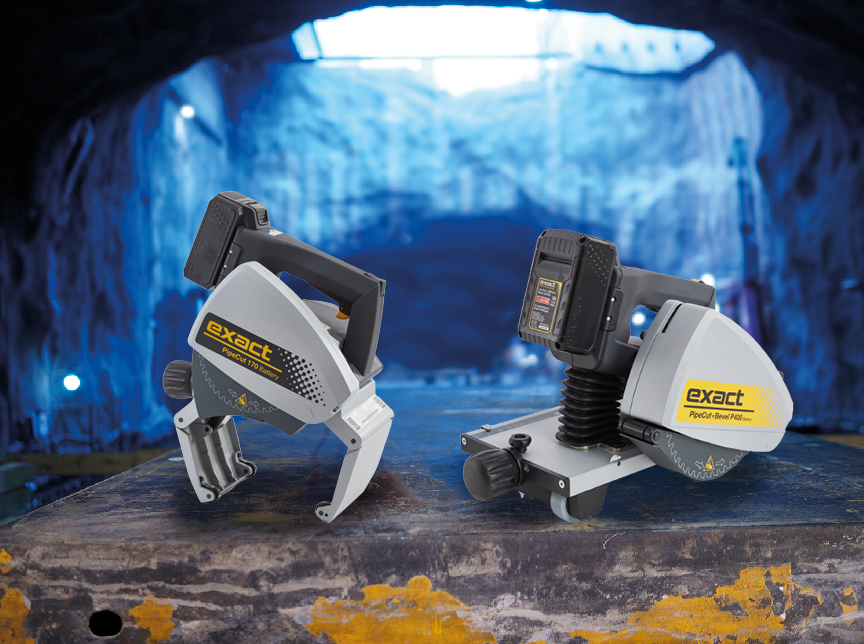
Proper storage of pipe-cutting equipment is essential for maintaining safety, extending tool life, and preventing workplace accidents. Safe storage requires controlled environmental conditions, proper ventilation, and organised systems that separate different tool types. Professional pipe cutting solutions perform best when stored according to manufacturer guidelines and industry best practices.
Effective storage systems protect expensive cutting tools from damage while ensuring quick access during projects. Poor storage practices can lead to blade deterioration, equipment malfunction, and serious safety hazards that compromise both worker safety and project timelines.
What are the essential safety requirements for pipe cutting equipment storage?
Essential safety requirements include maintaining dry, temperature-controlled environments between 10 and 25°C, ensuring adequate ventilation to prevent moisture buildup, and implementing secure storage systems that prevent unauthorised access. Equipment must be stored away from flammable materials and electrical hazards.
Environmental control forms the foundation of safe pipe-cutting equipment storage. Humidity levels should remain below 50% to prevent corrosion of metal components and blade degradation. Proper ventilation systems help maintain these conditions while preventing the accumulation of dust and debris that can affect equipment performance.
Security measures are equally important for industrial tool storage. Lockable cabinets or storage rooms prevent unauthorised access and reduce the risk of theft. Clear signage indicating hazardous materials or sharp tools helps maintain workplace safety awareness among all personnel.
Fire safety protocols require storing cutting equipment away from ignition sources and flammable substances. Emergency procedures should be clearly posted, and fire suppression systems must be regularly maintained and accessible throughout storage areas.
How should different types of pipe cutting blades be stored safely?
Different blade types require specific storage methods: carbide blades need protective cases with individual slots, diamond blades require moisture-free environments with edge protection, and steel blades should be stored vertically with a rust-preventive coating. Never stack blades directly on top of each other.
Carbide-tipped blades are particularly sensitive to impact damage. Store these blades in purpose-built cases with foam inserts that prevent blade-to-blade contact. Each blade should have its own designated slot to avoid chipping the carbide cutting edges.
Diamond blades demand special attention due to their high value and sensitivity to thermal shock. Store these blades at consistent temperatures and avoid rapid temperature changes that can cause segment separation. Use blade guards or protective sleeves to prevent damage to the diamond segments.
Steel blades require rust-prevention measures, including:
- A light coating of rust-preventive oil on exposed metal surfaces
- Storage in low-humidity environments
- Regular inspection for early signs of corrosion
- Immediate cleaning and drying after use, before storage
What storage mistakes can damage pipe cutting equipment or cause safety hazards?
Common storage mistakes include exposing equipment to moisture and temperature extremes, stacking heavy items on delicate components, mixing cutting tools with other materials, and failing to clean equipment before storage. These errors lead to premature wear, safety risks, and costly repairs.
Moisture exposure is the most frequent storage error, causing rust, corrosion, and electrical component failure. Many operators underestimate the damage condensation can cause, particularly in unheated storage areas or locations with poor ventilation.
Improper stacking and weight distribution can damage sensitive equipment components. Placing heavy items on top of pipe saws or bevelling machines can misalign cutting mechanisms and damage precision components that ensure accurate cuts.
Contamination from mixing stored materials creates multiple hazards:
- Chemical reactions between different materials
- Cross-contamination that affects cutting performance
- Difficulty locating specific tools when needed
- Increased risk of accidents from cluttered storage areas
Neglecting pre-storage cleaning allows debris and cutting residue to harden on equipment surfaces, leading to performance degradation and potential safety hazards during subsequent use.
How do you organise a safe and efficient pipe cutting equipment storage system?
Organise storage systems using clearly labelled sections for different equipment types, implement inventory tracking systems, and establish regular maintenance schedules. Create designated areas for active tools, spare parts, and equipment awaiting maintenance to streamline workflow and enhance safety.
Zone-based organisation improves both safety and efficiency. Establish separate areas for:
- Active equipment – tools currently in use or scheduled for immediate deployment
- Reserve inventory – backup equipment and seasonal tools
- Maintenance area – equipment requiring service or repair
- Consumables storage – blades, cutting tips, and replacement parts
Inventory management systems prevent equipment loss and ensure maintenance schedules are followed. Digital tracking systems can monitor equipment location, usage hours, and maintenance requirements, helping prevent unexpected failures during critical projects.
Workflow optimisation requires strategic placement of frequently used items in easily accessible locations. Heavy equipment should be stored at appropriate heights to prevent lifting injuries while ensuring adequate space for safe removal and transport.
Regular maintenance scheduling integrated into the storage system ensures equipment remains in optimal condition. Establish inspection routines that check for damage, wear, and proper storage conditions during each access cycle.
How does Exact Tools help customers with safe tool storage practices?
Exact Tools provides comprehensive storage guidance through detailed equipment manuals, protective carrying cases, and technical support services. Our ISO-certified quality management systems ensure customers receive proper storage recommendations that maximise equipment life and maintain safety standards.
Our commitment to customer safety extends beyond manufacturing to include complete storage solutions. Each piece of equipment comes with specific storage guidelines developed through decades of pipe-cutting expertise and validated by professional users worldwide.
We provide protective storage solutions designed specifically for our equipment:
PipeCut P400 System
Pipe Materials: PE, PP, PVC, and other plastic pipes
Pipe Diameter Range: 50-400mm
Storage Features: Includes a protective PipeCut bag and organised blade storage
Key Benefits: Cuts and bevels in one process; lightweight at 6.0kg
PipeBevel 220E System
Pipe Materials: Steel and stainless steel
Pipe Diameter Range: 25-220mm
Storage Features: Shoulder bag included; compact design
Key Benefits: Multiple cutting tips with four edges each; no sparks or flames
PipeBevel 360E System
Pipe Materials: Steel and stainless steel
Pipe Diameter Range: 110-360mm
Storage Features: Professional shoulder bag and organised component storage
Key Benefits: Built-in stopper for consistent bevels; easy transport
Our technical support team provides ongoing guidance on optimal storage practices tailored to specific working conditions and project requirements. We understand that proper storage directly impacts cutting performance and workplace safety.
Professional contractors rely on our storage recommendations to maintain equipment performance and ensure consistent results across projects. Explore our complete range of pipe cutting solutions designed with storage and portability in mind, or contact our technical team for personalised storage guidance that meets your specific operational requirements.