

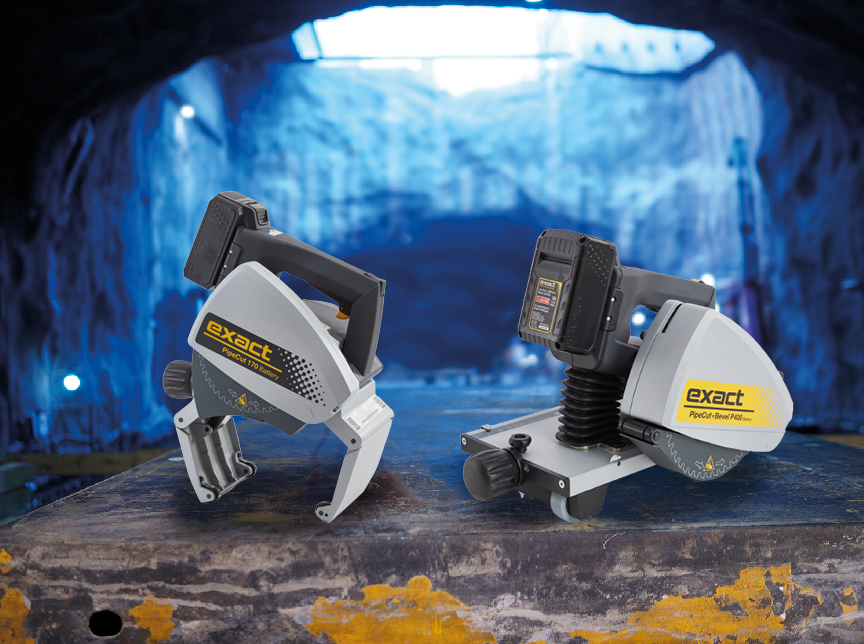
Pipe saws require different types of lubrication depending on the pipe material and cutting method. Most industrial pipe-cutting tools use cutting oils or water-based coolants to reduce friction and heat generation. However, modern cold-cutting pipe saws can operate without traditional lubrication, producing clean cuts through advanced blade technology. Explore professional pipe-cutting solutions that address various lubrication requirements for optimal cutting performance.
What type of lubrication do pipe saws actually require?
Pipe saw lubrication varies significantly depending on the cutting method and pipe material. Traditional pipe-cutting methods typically require cutting oils or water-based coolants to manage heat and reduce blade wear during operation.
Industrial pipe-cutting tools generally use three main lubrication approaches:
- Cutting oils: Petroleum-based lubricants that provide excellent heat dissipation and blade protection for metal pipes
- Water-based coolants: Environmentally friendly alternatives that offer good cooling properties for lighter cutting applications
- Dry-cutting capabilities: Advanced cold-cutting technology that eliminates the need for traditional lubrication systems
Lubrication requirements depend heavily on your specific pipe saw model and the materials you are cutting. Cold-cutting pipe saws operate at lower temperatures, reducing or eliminating lubrication needs while maintaining cutting quality. This approach offers significant advantages in terms of cleanliness, safety, and operational efficiency.
How does proper lubrication affect pipe cutting performance?
Proper lubrication dramatically improves cutting speed, extends blade life, and ensures clean cuts ready for joining. Adequate lubrication reduces friction between the blade and the pipe material, preventing overheating that can damage both the cutting blade and the pipe surface.
The performance benefits of correct pipe saw lubrication include:
- Increased cutting speeds by reducing resistance during blade penetration
- Extended blade longevity through reduced wear and heat damage
- Improved cut quality with smoother, straighter edges
- Reduced heat generation that prevents material distortion
- Better chip evacuation for cleaner cutting operations
When lubrication systems function correctly, operators achieve consistent results across different pipe materials. The relationship between lubrication and cut quality becomes particularly important when preparing pipes for welding or joining, where precise, clean cuts are essential for proper connections.
What happens when you use the wrong lubrication for pipe cutting?
Incorrect lubrication leads to premature blade wear, poor cut quality, and potential safety hazards. Using unsuitable cutting fluids can cause excessive heat buildup, resulting in blade damage and compromised pipe integrity during cutting operations.
Common problems caused by inadequate pipe saw lubrication include:
- Rapid blade dulling requiring frequent replacements
- Rough, uneven cuts that need additional finishing work
- Overheating that can warp thin-walled pipes
- Increased cutting resistance leading to motor strain
- Metal chips welding to blade surfaces
- Potential fire hazards from excessive heat generation
Different pipe materials react differently to lubrication problems. Steel pipes may develop rough edges and require additional finishing, while plastic pipes can melt or deform when cutting temperatures become excessive. Stainless steel is particularly sensitive to lubrication quality, as improper cooling can cause work hardening that makes subsequent cuts more difficult.
Which pipe materials need special lubrication considerations?
Each pipe material requires specific lubrication approaches for optimal cutting results. Steel and stainless steel pipes typically need the most comprehensive lubrication systems, while plastic pipes require careful temperature management to prevent melting.
Material-specific lubrication requirements include:
| Pipe Material | Lubrication Type | Key Considerations |
|---|---|---|
| Steel | Cutting oil or coolant | High heat generation requires consistent cooling |
| Stainless Steel | Specialized cutting fluid | Prevents work hardening and maintains blade sharpness |
| Copper | Light cutting oil | Soft material requires minimal lubrication |
| Aluminum | Water-based coolant | Prevents chip welding to blade surfaces |
| Plastic (PE, PVC, PP) | Minimal or dry cutting | Temperature control prevents melting |
| Cast Iron | Dry cutting preferred | Brittle material produces dust rather than chips |
Multi-layer pipes present unique challenges, as different layers may have varying lubrication requirements. Cold-cutting technology addresses these complexities by maintaining low operating temperatures across all materials, reducing the need for material-specific lubrication strategies.
How do you maintain proper lubrication in pipe cutting operations?
Regular maintenance ensures consistent lubrication performance and prevents cut-quality issues. Daily checks of fluid levels and weekly cleaning of lubrication systems help maintain optimal pipe saw performance throughout extended cutting operations.
Essential pipe-cutting maintenance tasks include:
- Check cutting fluid levels before each work session
- Replace cutting oils according to manufacturer recommendations
- Clean lubrication nozzles and delivery systems weekly
- Monitor fluid quality for contamination or degradation
- Inspect pumps and filters for proper operation
- Maintain proper fluid mixture ratios for water-based coolants
Troubleshooting common lubrication issues involves checking for blocked delivery lines, worn pump components, or contaminated cutting fluids. Establish maintenance schedules based on usage intensity and operating conditions. Heavy-duty operations may require daily fluid changes, while lighter applications can extend intervals between services.
Document maintenance activities to identify patterns in fluid consumption and system performance. This approach helps optimize lubrication strategies and predict when components need replacement or service.
How does Exact Tools help customers with pipe cutting and lubrication?
We provide advanced pipe-cutting solutions that address traditional lubrication challenges through innovative cold-cutting technology. Our PipeCut series delivers clean, precise cuts without generating sparks or excessive heat, reducing or eliminating conventional lubrication requirements while maintaining superior cutting performance.
Our pipe-cutting solutions offer several key advantages:
- Cold-cutting technology that operates without traditional cutting fluids
- Up to 10 times faster cutting speeds compared to conventional methods
- Clean, straight cuts ready for immediate joining
- Capability to cut steel, plastic, copper, aluminum, cast iron, and stainless steel
- Portable design for on-site operations
- 85% lower power consumption than angle grinders
Featured PipeCut Products Comparison
| Model | Pipe Materials | Size Range | Special Features |
|---|---|---|---|
| PipeCut P400 | PE, PP, PVC plastics | 50-400 mm diameter | Cut and bevel in one process, 15-degree bevel capability |
| PipeBevel 220E | Steel, stainless steel | 25-220 mm diameter | Multiple bevel angles, no sparks or flames |
| PipeBevel 360E | Steel, stainless steel | 110-360 mm diameter | Large pipe capability, portable design |
Our cold-cutting approach eliminates fire hazards associated with traditional cutting methods while producing superior cut quality. The technology works across multiple pipe materials without requiring material-specific lubrication systems, simplifying operations and reducing maintenance requirements.
Discover our complete range of pipe-cutting solutions or contact our technical team to discuss your specific pipe-cutting and lubrication requirements.