

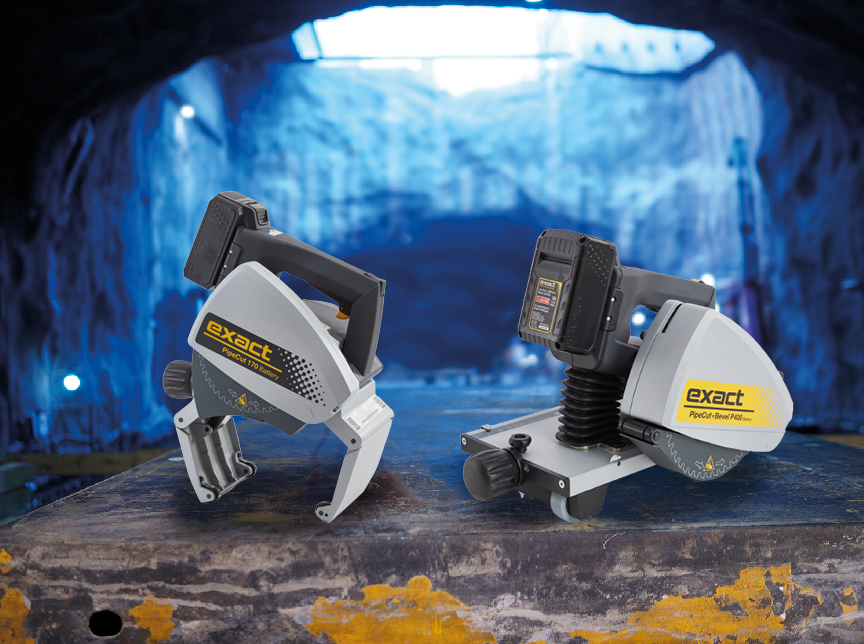
Proper pipe saw inspection before use involves checking the blade condition, verifying safety guards, examining power connections, and testing mechanical components. A systematic pre-use inspection prevents accidents, ensures optimal cutting performance, and extends equipment life. Professional contractors should complete this pipe saw safety check every time before operation to maintain workplace safety standards.
What are the essential safety checks before using a pipe saw?
Essential safety checks include verifying blade integrity, confirming guard positioning, checking the power cord condition, and ensuring proper personal protective equipment is used. These inspections form the foundation of safe pipe-cutting operations and should never be skipped, regardless of time constraints.
Begin your safety inspection by examining the cutting blade for visible damage, cracks, or excessive wear. The blade guard must be properly positioned and securely fastened to protect operators from accidental contact. Power connections require inspection for frayed wires, damaged plugs, or loose connections that could create electrical hazards.
Personal protective equipment verification includes confirming that safety glasses, hearing protection, and appropriate work gloves are available and in good condition. The work area should be clear of debris, properly ventilated, and adequately lit for safe operation. These preliminary checks create a secure foundation for efficient pipe-cutting work.
How do you inspect the cutting blade for damage and wear?
Blade inspection involves checking for cracks, chips, proper mounting, and wear indicators that signal replacement needs. Look for any visible damage along the cutting edge, missing teeth, or signs of metal fatigue that could cause blade failure during operation.
Examine the blade mounting area to ensure proper seating and secure attachment to the drive mechanism. The blade should sit flush against the mounting surface without wobbling or misalignment. Check the mounting bolts or locking mechanisms for proper tightness according to the manufacturer’s specifications.
Wear indicators vary by blade type, but common signs include reduced tooth height, rounded cutting edges, or discoloration from overheating. Replace blades showing excessive wear, as dull cutting edges require more pressure and produce poor-quality cuts. Professional pipe cutting requires sharp, properly maintained blades for optimal results and safety.
What should you check in the pipe saw’s mechanical components?
Mechanical component inspection covers motor housing integrity, cutting mechanism alignment, guide systems, and clamping mechanisms. These elements must function smoothly together to deliver precise cuts and maintain operator safety throughout the cutting process.
Motor housing inspection includes checking for cracks, loose screws, or damaged cooling vents that could affect performance. The cutting mechanism should move freely without binding or excessive play. Guide systems must be properly aligned and securely fastened to ensure straight, accurate cuts.
Clamping mechanisms require particular attention, as they secure the pipe during cutting. Test clamp operation to ensure smooth engagement and proper holding force. Moving parts should be lubricated according to maintenance schedules and show no signs of excessive wear or damage that could affect cutting precision.
How do you verify proper power and electrical connections?
Electrical safety inspection includes examining the power cord condition, plug integrity, ground-fault protection, and power requirements verification. These checks prevent electrical hazards and ensure reliable operation in industrial environments where safety standards are paramount.
Power cord inspection should reveal no cuts, abrasions, or exposed wiring that could create shock hazards. The plug must fit securely in outlets without looseness that indicates worn connections. Ground-fault circuit interrupter (GFCI) protection should be tested and functioning properly for wet or damp conditions.
Verify that the available power matches the tool’s requirements for voltage, amperage, and frequency. An inadequate power supply can cause motor damage and poor cutting performance. Extension cords, when necessary, must be rated for the tool’s power requirements and be in good condition, without damage or excessive length that could cause voltage drop.
Professional Pipe Cutting Solutions
| Model | Pipe Range | Materials | Special Features |
|---|---|---|---|
| PipeCut P400 | 50-400 mm | Plastic (PE, PP, PVC) | Cut and bevel in one process, 15° bevel angle |
| PipeBevel 220E | 25-220 mm | Steel, stainless steel | Multiple bevel angles, no sparks |
| PipeBevel 360E | 110-360 mm | Steel, stainless steel | Portable design, built-in stopper |
How does Exact Tools help customers with pipe saw inspection?
We provide comprehensive inspection support through quality certifications, built-in safety features, detailed maintenance guidelines, and dedicated customer support resources. Our approach ensures customers can perform thorough inspections and maintain optimal tool performance throughout the equipment lifecycle.
Our pipe-cutting equipment incorporates safety features designed to simplify inspection procedures while maintaining the highest safety standards. Each tool includes comprehensive operating instructions that detail inspection requirements, maintenance schedules, and safety protocols specific to the equipment model. These resources help customers establish consistent inspection routines.
We maintain ISO 9001, ISO 14001, and ISO 45001 certifications, demonstrating our commitment to quality management, environmental responsibility, and occupational safety. Our customer support team provides technical guidance on inspection procedures and maintenance requirements. For professional pipe-cutting solutions with comprehensive support, explore our range of pipe saws or contact us directly for technical assistance.
Regular pipe saw inspection ensures safe operation, optimal performance, and extended equipment life. Following systematic inspection procedures protects operators while maintaining cutting quality and productivity. Professional contractors who prioritise proper inspection procedures create safer work environments and achieve better project outcomes through reliable equipment performance.