

Introduction
Exact pipe cut machines are built for durability and precision, but their performance can be maintained at a consistently high level for many years with simple basic care. Unlike vehicles or other complex systems, our pipe cutters do not require frequent service or part replacement. Instead, basic care by the operator is sufficient to keep your tool operating at peak performance. In practice, simple daily and weekly routines are enough to keep the machine reliable, accurate, and safe.
Daily care
Daily care should be considered part of operating the machine, not a separate maintenance task. These actions typically take only a few minutes and prevent many issues.
- Clean the machine after use
- Remove metal chips, dust, and cutting debris from the machine.
- Focus on the cutting area, gripping unit, blade guard and any moving components. Debris left on the machine accelerates wear and can affect cutting accuracy.
- Inspecting the blade (remove the blade guard)
- Visually check the blade for any missing tooth or uneven wear visible on blade painting. Replace a worn blade as appropriate but always replace a blade with missing teeth.
- Make sure the blade is securely and tightly attached.
- Check smooth movement
- Check that the lower blade guard, gripping unit and wheels move smoothly through their normal range of motion. Ensure movement is smooth and free of sticking or resistance. Any change in feel often indicates dirt buildup or early mechanical issues.
- Add a few drops of oil if the mechanism starts to show signs of excess friction (e.g. wheels, gripping unit).
- Listening during operation
- Pay attention to unusual noises such as grinding, vibration, or knocking. Unexpected sounds are often the first indication that something needs attention.
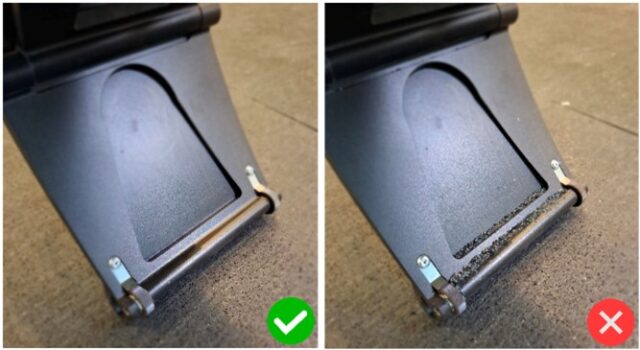
Figure 1: Clean the gripping unit (steel chips can affect machine alignment)
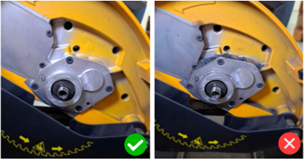
Figure 2: Clean behind the blade and the blade guard
Weekly care
Weekly care builds on daily routines and helps maintain long‑term precision and reliability.
- Thorough cleaning
- Clean the blade guard, gripping unit and other moving components carefully.
- Remove compacted debris that daily cleaning may not fully eliminate. This prevents gradual buildup that can affect alignment and movement.
- Tool wear evaluation
- Inspect the cutting tool in more detail.
- Look for wear patterns that could indicate misalignment or incorrect cutting parameters. Replacing or adjusting tools at the right time protects both the machine and cut quality.
- Check fasteners and adjustments
- Verify that bolts, clamps, gripping unit and locking mechanisms remain tight.
- Check that guides and reference surfaces are properly aligned. Loosened fasteners can slowly lead to poor repeatability and increased wear.
- Safety check
- Confirm that guards, covers, and buttons are clean and functional.
- Make sure nothing obstructs safety features. A clean, well‑maintained machine is also a safe machine.
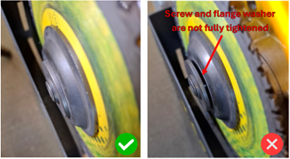
Figure 3: Tighten the blade screw and the flange washer
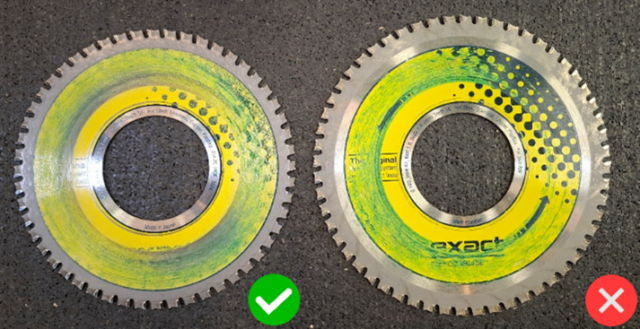
Figure 4: Uneven wear on the right blade (likely due to machine misalignment)
Why is daily and weekly care important?
For most pipe cutting tools, consistent daily and weekly routines prevent most major problems before they occur.
In summary, proper tool maintenance is driven by:
- Cleanliness,
- observation,
- and early intervention.
This approach keeps machines running longer, cutting more precisely, and reduces unexpected downtime by taking just a few minutes after using the tool. Please contact your supplier for additional information or your advanced service needs.
Don’t miss out! Subscribe to our newsletter for our latest articles.