

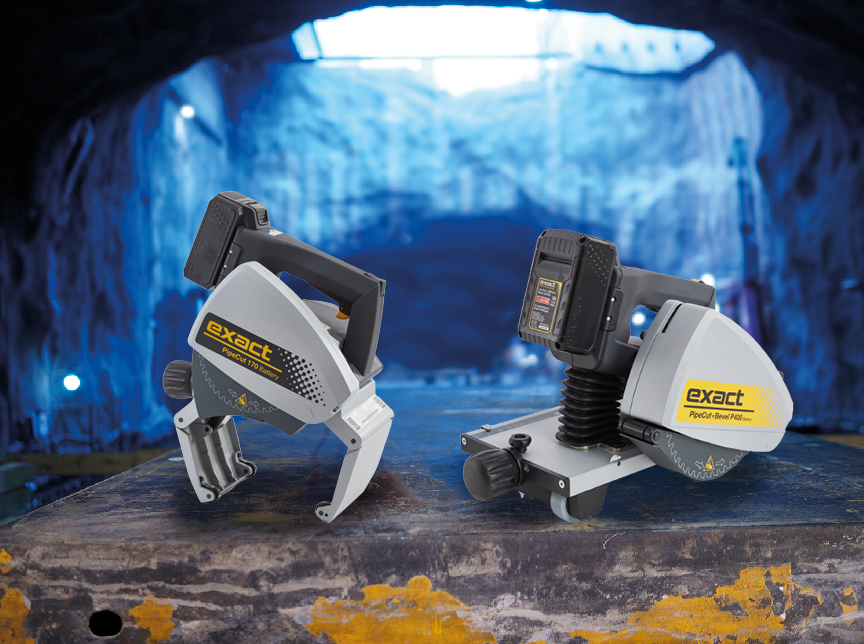
Professional pipe cutting demands absolute precision to ensure project success and safety. If a pipe is cut incorrectly, you face costly rework, material waste, and compromised joint integrity, which can lead to system failures. Modern pipe cutting techniques and advanced pipe cutting tools have revolutionised industrial pipe cutting, delivering significantly faster results while maintaining the accuracy that professional contractors require.
Understanding precision pipe cutting best practices helps you achieve consistent, high-quality results across different materials and applications. Whether you’re working with steel, plastic, or multi-layer pipes, the right approach to professional pipe cutting solutions ensures your installations meet industry standards and perform reliably over time.
This guide covers essential pipe cutting techniques, common mistakes to avoid, blade selection criteria, safety protocols, and how modern pipe saw technology addresses the challenges faced by construction and industrial professionals.
Why precision matters in professional pipe cutting
Precision pipe cutting directly impacts every aspect of your installation project. When pipes are cut accurately, joints fit together seamlessly, creating strong, leak-proof connections that maintain system integrity over decades of use. Poor cuts create gaps, misalignments, and stress points that compromise the entire system’s performance.
Installation time is reduced dramatically when pipes are cut precisely. Clean, straight cuts eliminate the need for additional filing, grinding, or adjustment work that adds hours to project timelines. Professional contractors report up to 50% faster installation times when using precision cutting methods compared to traditional approaches.
Material waste becomes a significant cost factor when cuts are imprecise. Each incorrectly cut pipe section represents wasted material, labour time, and project delays. Accurate cutting techniques ensure maximum utilisation of pipe materials while maintaining quality standards that prevent costly callbacks and warranty issues.
Essential pipe cutting techniques for different materials
Different pipe materials require specific cutting approaches to achieve optimal results. Steel pipes benefit from cold-cutting methods that produce no sparks or heat-affected zones, maintaining the material’s structural integrity throughout the cutting process. These techniques prevent metallurgical changes that can weaken the pipe or create corrosion points.
Plastic pipe cutting requires careful speed control and appropriate blade selection to prevent melting or cracking. PE, PP, and PVC materials respond well to specialised cutting techniques that maintain clean edges without creating stress concentrations. Cutting speed must be balanced to avoid heat buildup that can deform the pipe geometry.
Copper and aluminium pipes need sharp, fine-toothed blades that slice cleanly through the softer metals without creating burrs or deformation. Cast iron requires robust cutting methods that can handle the material’s brittleness while maintaining dimensional accuracy. Stainless steel cutting demands techniques that prevent work hardening and maintain the material’s corrosion-resistant properties.
Common pipe cutting mistakes that compromise quality
Blade selection errors represent the most frequent cause of poor cutting results. Using worn blades or incorrect blade types for specific materials creates rough cuts, dimensional inaccuracies, and potential safety hazards. Many professionals underestimate how quickly blade performance degrades with use, leading to progressively worse cut quality.
Incorrect cutting angles occur when pipes are not properly secured or when cutting guides are misaligned. Even small angular deviations can prevent proper joint assembly and create leak paths in pressurised systems. Inadequate pipe support during cutting allows vibration and movement that produces irregular cut surfaces and dimensional variations.
Poor measurement practices compound throughout projects, creating cumulative errors that affect system alignment and performance. Rushing through the measurement and marking process leads to cuts that are too short, too long, or positioned incorrectly relative to fittings and connections.
How to choose the right pipe cutting blade for your project
Material compatibility forms the foundation of proper blade selection. Each pipe material requires specific blade tooth configurations, cutting angles, and construction materials to achieve optimal results. Steel cutting demands carbide-tipped blades that maintain sharpness under high loads, while plastic materials need blades designed to prevent chip welding and melting.
Pipe diameter requirements influence blade size and cutting capacity. Larger diameter pipes need blades with sufficient cutting depth and robust construction to maintain accuracy throughout the cut. Wall thickness considerations affect cutting speed and blade life, with thicker walls requiring more aggressive cutting parameters and frequent blade inspection.
Cutting speed optimisation depends on balancing productivity with cut quality. Faster cutting speeds increase productivity but can compromise surface finish and dimensional accuracy if not properly controlled. Blade life optimisation involves monitoring cutting performance and replacing blades before quality degradation becomes apparent in the finished cuts.
Professional pipe saw safety standards and procedures
Personal protective equipment requirements include safety glasses, hearing protection, and cut-resistant gloves appropriate for the cutting method being used. Respiratory protection may be necessary when cutting materials that produce fine particles or dust. Proper clothing prevents entanglement with rotating machinery and protects against metal chips and debris.
Workspace preparation involves securing the work area, ensuring adequate lighting, and maintaining clear emergency access routes. Pipe cutting operations require stable work surfaces and proper ventilation to remove cutting debris and any fumes generated during the process. Tool maintenance protocols ensure cutting equipment operates safely and maintains performance standards.
Hazard prevention strategies include regular equipment inspection, proper blade installation procedures, and adherence to manufacturer operating guidelines. Understanding the specific risks associated with different pipe materials and cutting methods helps prevent accidents and ensures consistent safety performance across all operations.
How Exact Tools enhances precision pipe cutting efficiency
We have developed innovative pipe cutting solutions that address the specific challenges faced by professional contractors in construction, plumbing, and industrial applications. Our PipeCut series delivers cutting speeds up to 10 times faster than traditional methods while maintaining the precision required for professional installations.
Our cold-cutting technology eliminates fire hazards by producing no sparks during operation, making it safe for use in sensitive environments where traditional cutting methods pose risks. Power consumption is up to 85% lower than that of angle grinders, reducing operating costs and extending equipment life while delivering superior cutting performance.
The lightweight, portable design of our cutting systems allows easy on-site operation without sacrificing cutting capacity or accuracy. Our machines cut through steel, plastic, copper, aluminium, cast iron, stainless steel, and multi-layer pipes with smooth, straight cuts that are ready for joining immediately. Contact our technical team to discuss how our precision cutting solutions can improve your project efficiency and quality standards.