

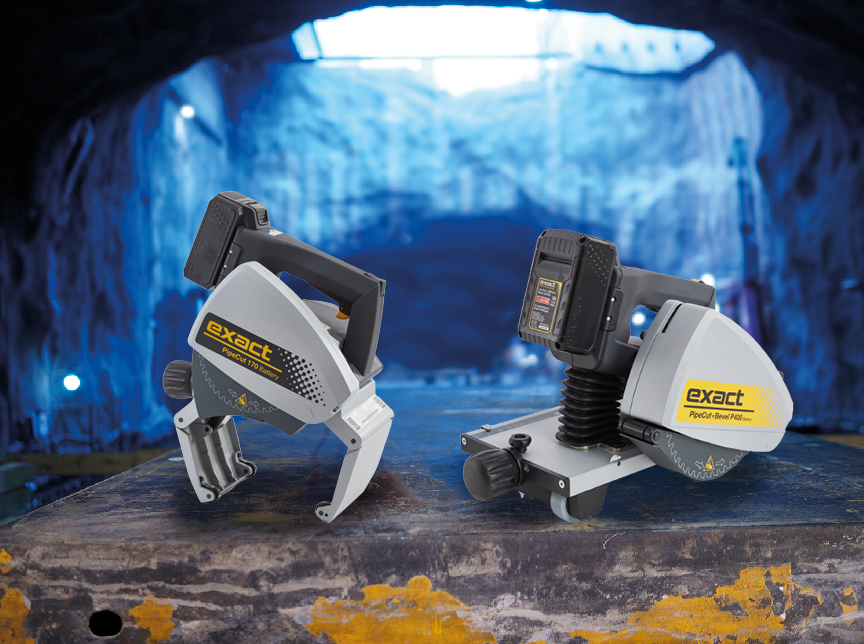
Yes, pipe saws can effectively cut carbon steel pipes when used with the appropriate blade technology and proper cutting techniques. Modern pipe saws are specifically designed to handle the hardness and density of carbon steel, providing clean, precise cuts without the heat generation and safety concerns associated with traditional cutting methods. The key is selecting the right blade type and understanding the material properties of carbon steel.
Professional pipe-cutting solutions offer significant advantages over conventional methods when working with carbon steel pipes. Explore our range of professional pipe saws designed for demanding industrial applications.
What makes carbon steel pipes challenging to cut?
Carbon steel pipes present unique cutting challenges due to their material composition and structural characteristics. Carbon steel contains iron and carbon, typically ranging from 0.05% to 2% carbon, which directly affects the material’s hardness, tensile strength, and cutting behaviour.
The primary challenges include the material’s high density and hardness, especially in medium- and high-carbon steel grades. This density requires greater cutting force and creates increased resistance during the cutting process. Additionally, carbon steel’s tendency to work-harden under mechanical stress means that improper cutting techniques can make the material progressively more difficult to cut.
Heat generation during cutting poses another significant challenge. Traditional cutting methods often produce excessive heat, which can alter the steel’s metallurgical properties, create heat-affected zones, and potentially compromise the pipe’s structural integrity. This heat also creates safety hazards, including fire risks and thermal expansion issues.
Carbon steel’s abrasive nature accelerates blade wear, requiring frequent blade changes and increasing operational costs. The material also tends to produce burrs and rough edges when cut improperly, necessitating additional finishing work that extends project timelines.
Can pipe saws effectively cut through carbon steel pipes?
Modern pipe saws are highly effective at cutting carbon steel pipes when equipped with appropriate cutting technology. These machines use cold-cutting processes that eliminate heat generation while maintaining cutting precision and speed. The controlled cutting action produces clean, straight cuts that are ready for immediate joining without additional preparation.
Pipe saws achieve superior results through several key mechanisms. The circular cutting motion distributes cutting forces evenly around the pipe circumference, preventing deformation and ensuring dimensional accuracy. Variable speed controls allow operators to optimise cutting parameters for different carbon steel grades and wall thicknesses.
Professional pipe saws incorporate advanced blade technologies specifically designed for steel-cutting applications. These blades feature carbide-tipped teeth, optimised tooth geometry, and specialised coatings that maintain sharpness longer and resist the abrasive effects of cutting carbon steel.
The portable design of modern pipe saws enables on-site cutting without requiring pipe removal or transportation to workshop facilities. This capability is particularly valuable in industrial installations where carbon steel pipes are integrated into existing systems.
Professional Pipe Cutting Solutions
| Model | Pipe Range | Materials | Key Features |
|---|---|---|---|
| PipeBevel 220E | 25-220 mm diameter | Steel, stainless steel | Bevelling capability, portable design |
| PipeBevel 360E | 110-360 mm diameter | Steel, stainless steel | Large-diameter capability, multiple bevel angles |
| PipeCut P400 | 50-400 mm diameter | Steel, plastic, multi-layer | Cut and bevel in one process |
What type of blade should you use for cutting carbon steel pipes?
Carbide-tipped blades are the optimal choice for cutting carbon steel pipes, offering superior hardness and wear resistance compared to standard steel blades. These blades maintain sharp cutting edges longer and provide consistent cutting performance over extended periods of use.
Tooth configuration plays a crucial role in carbon steel cutting effectiveness. Blades with 4-6 teeth per inch (TPI) work best for thick-walled carbon steel pipes, providing aggressive cutting action and efficient chip removal. For thinner wall sections, 8-10 TPI blades offer smoother cuts with reduced vibration.
Blade-coating technology significantly affects cutting performance and longevity. Titanium nitride (TiN) coatings reduce friction and heat buildup, while titanium carbonitride (TiCN) coatings provide enhanced hardness for extended blade life. These coatings also help prevent material buildup on blade teeth during cutting operations.
The blade diameter must match both the pipe saw specifications and the cutting application requirements. Larger-diameter blades typically provide faster cutting speeds and longer blade life, while smaller blades offer better manoeuvrability in confined spaces.
Proper blade selection also depends on the carbon steel grade being cut. Low-carbon steels (up to 0.3% carbon) can be cut with standard carbide-tipped blades, while medium- and high-carbon steels may require specialised blade formulations designed for harder materials.
How does pipe saw cutting compare to other carbon steel cutting methods?
Pipe saws offer significant advantages over traditional carbon steel cutting methods in terms of speed, precision, safety, and finish quality. While angle grinders and reciprocating saws remain common alternatives, pipe saws provide superior performance for professional applications.
Cutting speed is one of the most notable advantages of pipe saws. Professional pipe saws can complete cuts up to 10 times faster than angle grinders, dramatically reducing project timelines. This speed advantage becomes more pronounced on larger-diameter pipes, where traditional methods require multiple cuts or extensive grinding.
Precision and cut quality distinguish pipe saws from other cutting methods. Pipe saws produce perfectly perpendicular cuts with minimal deviation, eliminating the need for secondary machining operations. The controlled cutting action prevents pipe deformation and maintains dimensional accuracy, which is critical for proper fit-up and assembly.
Safety considerations strongly favour pipe saw technology over traditional methods. The cold-cutting process eliminates sparks and fire hazards, making pipe saws suitable for use in hazardous environments where hot-cutting methods are prohibited. The enclosed cutting mechanism also reduces operator exposure to cutting debris and noise.
Comparison of cutting methods:
- Angle grinders: Generate heat and sparks, require multiple cuts for large pipes, and produce rough edges that require finishing
- Reciprocating saws: Slower cutting speed, potential for blade binding, less precise cut angles
- Plasma cutters: Excellent speed but require electrical power, create heat-affected zones, limited to specific wall thicknesses
- Pipe saws: Cold cutting, consistent precision, portable operation, minimal finishing required
Energy efficiency also favours pipe saw technology, with modern pipe saws consuming up to 85% less power than comparable angle-grinder operations while achieving superior results.
How does Exact Tools help industrial professionals with carbon steel pipe cutting?
Exact Tools specialises in advanced pipe-cutting technology designed specifically for professional carbon steel cutting applications. Our PipeCut series addresses the unique challenges of carbon steel through innovative engineering and proven cutting solutions that deliver consistent, high-quality results.
Our comprehensive approach to carbon steel pipe cutting includes:
- Specialised blade technology: Carbide-tipped cutting systems optimised for steel
- Cold-cutting processes: Eliminate heat generation and fire hazards during cutting operations
- Portable design: Enable on-site cutting without pipe removal or transport to a workshop
- Multiple pipe size capabilities: Handle diameters from 25 mm to 400 mm with appropriate wall-thickness ranges
- Quality certifications: ISO 9001, ISO 14001, and ISO 45001 compliance, ensuring consistent quality standards
We have over twenty years of expertise in pipe-cutting technology development, with a specific focus on the challenges faced by industrial professionals working with carbon steel. Our engineering team continuously develops cutting solutions that improve productivity while maintaining the highest safety standards.
Professional support services include technical consultation for specific carbon steel cutting applications, blade-selection guidance, and comprehensive training programmes. This support ensures optimal performance and maximum return on investment for industrial cutting operations.
Ready to experience the advantages of professional carbon steel pipe cutting? Discover our complete range of pipe cutting solutions or contact our technical team for personalised application guidance and product recommendations tailored to your specific carbon steel cutting requirements.