

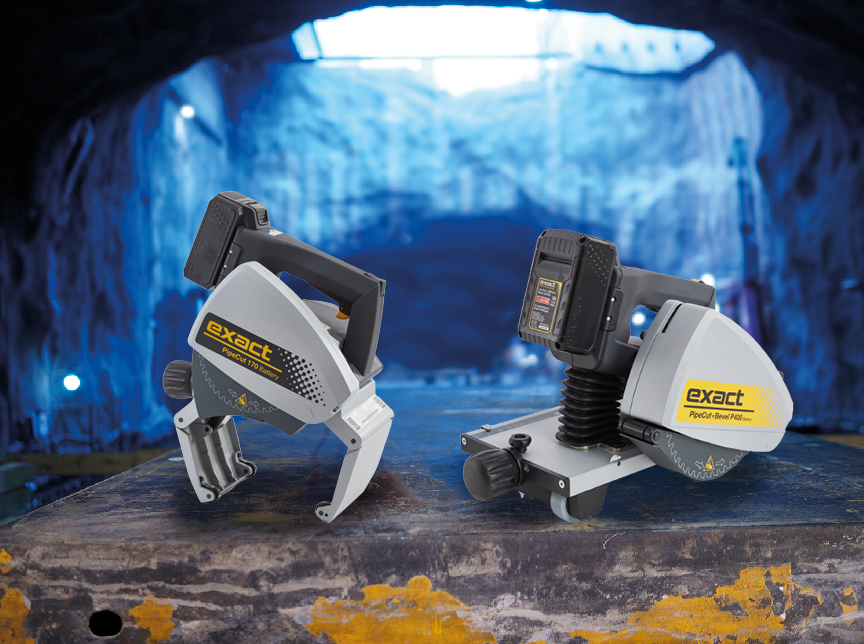
Yes, pipe saws can effectively cut stainless steel pipes using specialised cold-cutting technology. Professional pipe saws designed for metal cutting create clean, precise cuts through stainless steel without generating heat, sparks, or damaging the material’s properties. The cold-cutting process maintains the integrity of the stainless steel while delivering significantly faster cutting speeds than traditional methods such as angle grinders or hacksaws.
The key to successful stainless steel pipe cutting lies in using the right blade technology and maintaining proper cutting speeds to prevent work hardening of the material. Modern pipe saws achieve this through controlled rotation speeds and specialised blade designs that slice through the metal rather than grinding it. Discover professional pipe cutting solutions that handle stainless steel and other challenging materials with precision.
Can pipe saws actually cut through stainless steel pipes?
Professional pipe saws can absolutely cut through stainless steel pipes with remarkable efficiency and precision. The secret lies in cold-cutting technology, which uses sharp, rotating blades to slice cleanly through the metal without generating excessive heat or sparks. This method preserves the stainless steel’s corrosion-resistant properties while creating smooth, straight cuts that are ready for immediate joining.
The cold-cutting process works by maintaining controlled blade speeds and using specially designed cutting edges that shear through the material rather than grinding it away. This approach prevents the work hardening that can occur with traditional cutting methods, where excessive heat changes the metal’s molecular structure and makes it harder to cut.
Unlike angle grinders or torch cutting, pipe saws create cuts that require minimal finishing work. The clean edges produced by cold cutting eliminate the need for extensive deburring or smoothing, saving significant time on pipe installation projects. Professional contractors report cutting speeds up to 10 times faster than conventional methods when using properly designed pipe-cutting equipment.
What makes stainless steel different from other pipe materials to cut?
Stainless steel presents unique cutting challenges due to its work-hardening characteristics and superior strength. When heated during cutting, stainless steel becomes progressively harder and more difficult to cut, unlike mild steel, which maintains relatively consistent hardness. This work-hardening effect means that traditional grinding methods often become less effective as cutting progresses.
The chromium content in stainless steel, typically 10.5% or higher, creates the material’s corrosion resistance but also increases its toughness compared to carbon steel. This additional hardness requires more cutting force and can quickly dull inferior blades. The material’s heat resistance means it does not conduct heat away from the cutting zone as readily as other metals, potentially causing localised heating that triggers work hardening.
Stainless steel’s ductility also affects cutting behaviour. The material tends to deform rather than fracture cleanly when cut improperly, leading to rough edges or incomplete cuts. Professional pipe cutting requires maintaining sharp cutting edges and appropriate speeds to achieve clean shearing action rather than tearing or grinding through the material.
Which pipe-cutting blade works best for stainless steel?
The most effective blades for stainless steel pipe cutting feature tungsten carbide-tipped (TCT) teeth with specific tooth geometry designed for metal cutting. These blades maintain sharp cutting edges longer than standard steel blades and resist the wear caused by stainless steel’s hardness. The carbide tips provide the durability needed for consistent performance across multiple cuts.
Tooth configuration plays a crucial role in stainless steel cutting success. Blades designed for stainless steel typically feature:
- Fewer teeth per inch to provide adequate chip clearance
- Aggressive tooth angles that promote shearing action
- Alternating tooth sets that create clean entry and exit cuts
- Sufficient gullet space to prevent chip build-up
The blade diameter and mounting specifications must match the pipe saw’s design requirements. Professional pipe-cutting systems use blades ranging from 148 mm to larger diameters, depending on the pipe sizes being cut. Proper blade selection ensures optimal cutting speeds while maintaining the cold-cutting process that preserves stainless steel integrity.
How does cold cutting compare to traditional methods for stainless steel?
Cold cutting with pipe saws delivers superior results compared to angle grinders, hacksaws, or torch cutting when working with stainless steel. The controlled cutting action eliminates sparks and heat build-up, preventing the formation of heat-affected zones that can compromise the material’s corrosion resistance. Preserving material properties is critical in applications where stainless steel’s performance characteristics must remain intact.
Speed advantages are substantial with cold-cutting methods. Professional pipe saws can complete cuts in seconds rather than the minutes required for manual sawing or careful grinding. The consistent cutting action also reduces operator fatigue and improves cut-quality consistency across multiple pipes.
Safety benefits include the elimination of fire hazards from sparks, reduced noise levels compared to angle grinders, and better dust control. Cold cutting produces metal chips rather than fine grinding dust, creating a cleaner work environment. The controlled cutting process also reduces the risk of blade binding or kickback that can occur with handheld grinders on tough materials such as stainless steel.
What pipe sizes and wall thicknesses can pipe saws handle in stainless steel?
Professional pipe saws can handle stainless steel pipes ranging from 25 mm to over 400 mm in diameter, depending on the specific machine design. Wall-thickness capabilities typically extend up to 25 mm for larger-diameter pipes, though this varies by pipe schedule and material grade. Cutting capacity depends on the pipe saw’s motor power, blade size, and mechanical design.
Smaller-diameter pipes (25 mm to 220 mm) can often be cut with portable pipe saws that offer excellent manoeuvrability for on-site work. These machines typically handle wall thicknesses up to 10 mm effectively while maintaining portability for field installations.
Larger pipe-cutting applications may require more substantial equipment with increased cutting capacity. The relationship between pipe diameter and wall thickness affects cutting speed, with thicker walls requiring more cutting time while still maintaining the advantages of cold-cutting technology. Professional contractors should verify specific capacity requirements against equipment specifications for their particular applications.
How does Exact Tools help professionals with stainless steel pipe cutting?
We specialise in professional pipe-cutting solutions that excel at handling stainless steel and other challenging materials through our advanced cold-cutting technology. Our PipeCut series delivers cutting speeds up to 10 times faster than traditional methods while maintaining the precision and safety that professional contractors require for stainless steel applications.
Our pipe-cutting systems are specifically designed to handle the unique challenges of stainless steel cutting:
Featured Pipe Cutting Solutions
| Model | Pipe Range | Materials | Key Features |
|---|---|---|---|
| PipeBevel 220E | 25–220 mm diameter, 10 mm wall | Steel, stainless steel | Portable, no sparks, multiple bevel angles |
| PipeBevel 360E | 110–360 mm diameter, 10 mm wall | Steel, stainless steel | Higher capacity, consistent bevels, transportable |
| PipeCut P400 | 50–400 mm diameter, 25 mm wall | Multiple materials, including metals | Cut and bevel in one process, versatile applications |
Our commitment to quality is demonstrated through ISO 9001, ISO 14001, and ISO 45001 certifications, ensuring that our pipe-cutting solutions meet the highest standards for quality management, environmental responsibility, and occupational safety. The cold-cutting process eliminates fire hazards while consuming 85% less power than angle grinders, making our equipment both safer and more efficient for stainless steel cutting applications.
Professional contractors worldwide rely on our pipe-cutting technology for critical stainless steel installations where precision, speed, and material integrity are essential. Contact our technical team to discuss your specific stainless steel pipe-cutting requirements and find the optimal solution for your professional applications.