

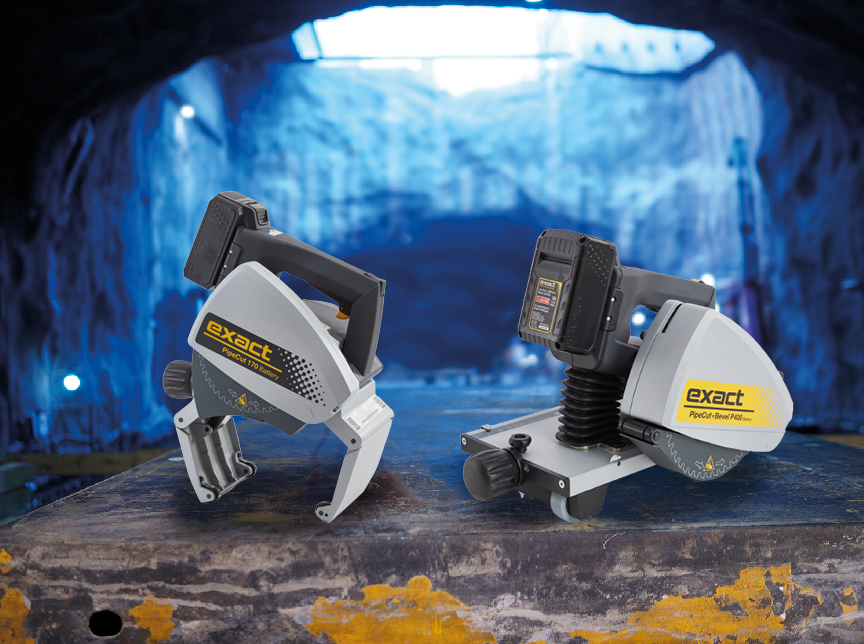
Construction sites face mounting pressure to reduce costs while maintaining quality standards. Traditional pipe-cutting methods often require multiple workers, specialised skills, and extensive safety measures. Modern pipe-cutting technology offers a compelling solution to these challenges, potentially transforming how construction teams approach workforce planning and site efficiency.
The shift from manual cutting methods to advanced pipe-cutting technology represents more than just an equipment upgrade. It fundamentally changes labour requirements, safety protocols, and productivity metrics across construction projects. Explore professional pipe-cutting solutions that deliver measurable workforce optimisation benefits.
This analysis examines how modern pipe-cutting technology directly impacts manpower requirements, from immediate labour cost reductions to long-term productivity improvements that reshape site operations.
How modern pipe-cutting technology impacts workforce requirements
Traditional pipe-cutting methods typically require multiple personnel for safe and effective operation. Manual cutting with angle grinders demands one operator plus safety personnel to monitor spark hazards and fire risks. Additional workers handle material positioning, measurement verification, and quality control of finished cuts.
Modern portable pipe saws fundamentally alter this workforce equation. Advanced cutting systems enable single-operator efficiency while maintaining superior cut quality and safety standards. The technology eliminates the need for additional safety monitoring personnel through cold-cutting processes that produce no sparks or fire hazards.
Key workforce impact areas include:
- Reduced operator skill requirements through automated cutting processes
- Elimination of dedicated safety monitoring roles
- Reduced need for material-handling personnel
- Simplified setup procedures requiring fewer coordination staff
The time-efficiency improvements compound these labour reductions. Cutting speeds up to 10 times faster than traditional methods mean projects require fewer worker-hours overall. This acceleration allows contractors to complete installations with smaller teams while meeting tight project deadlines.
Labour cost reduction through efficient pipe-cutting methods
Direct labour cost savings emerge immediately when implementing modern pipe-cutting technology. The reduction from multi-person cutting crews to single-operator systems creates measurable cost benefits across project budgets. These savings multiply across large installations where hundreds of cuts are required.
Indirect cost reductions often exceed direct labour savings through improved project timelines and reduced rework rates. Modern pipe-cutting systems produce consistent, precise cuts that eliminate fitting problems and reduce installation delays. This precision minimises the costly rework cycles common with manual cutting methods.
Quantifiable cost reduction areas include:
- Lower hourly labour requirements per cut
- Reduced overtime costs through faster project completion
- Decreased material waste from improved cut accuracy
- Elimination of specialised cutting-crew premiums
- Reduced insurance costs through improved safety profiles
Skill-level requirements also significantly affect labour costs. Traditional pipe cutting often requires experienced tradespeople with specialised training. Modern cutting systems enable less experienced workers to achieve professional results, expanding the available labour pool and reducing wage premiums for specialist skills.
Safety improvements that minimise site personnel needs
Construction sites traditionally require additional safety personnel when hot-cutting methods are used. Angle grinder operations demand fire watches, spark-containment measures, and emergency-response preparation. These safety requirements translate directly into additional manpower costs and operational complexity.
Cold-cutting processes eliminate these safety-related staffing needs entirely. Spark-free operations remove fire hazards and the associated safety-monitoring requirements. This technological advancement allows sites to operate with leaner safety teams while maintaining superior safety standards.
Safety-related manpower reductions include:
- Elimination of dedicated fire-watch personnel
- Reduced need for emergency-response standby staff
- Reduced safety-equipment handling requirements
- Simplified hazard-zone management
The improved safety profile also reduces accident-related productivity losses. Traditional cutting methods carry higher injury risks that can remove experienced workers from projects. Modern cutting technology minimises these risks, maintaining consistent workforce availability throughout project timelines.
Productivity gains from portable pipe-cutting solutions
Portable pipe-cutting solutions transform individual worker productivity through enhanced cutting efficiency and reduced setup requirements. Traditional methods often require material transportation to fixed cutting stations, involving multiple personnel for handling and positioning. Portable systems bring cutting capability directly to installation points.
Single-operator efficiency becomes achievable when workers can cut, position, and install pipes without additional support personnel. This independence eliminates coordination delays and reduces the total workforce required for pipe installation projects.
Productivity enhancement factors include:
- Elimination of material transportation requirements
- Reduced setup and breakdown times
- Immediate cutting capability at installation points
- Consistent cut quality reducing rework needs
- Lower physical demands enabling longer productive periods
The portability factor particularly benefits projects with distributed work locations. Instead of centralising cutting operations and requiring material-movement crews, workers can complete entire installation sequences independently. This capability substantially reduces coordination complexity and associated labour requirements.
How Exact Tools helps reduce manpower requirements on worksites
We specialise in revolutionary pipe-cutting technology designed specifically for workforce optimisation. Our solutions address the core challenges construction teams face when balancing efficiency, safety, and labour costs. Through innovative engineering, we deliver cutting systems that fundamentally reduce manpower requirements while improving project outcomes.
Our approach focuses on three key areas that directly impact workforce needs:
- Single-operator cutting systems that eliminate multi-person crew requirements
- Cold-cutting technology that removes the need for safety-monitoring personnel
- Portable solutions that reduce the need for material handling and transportation staff
Featured Solutions for Workforce Optimisation
| Product | Pipe Range | Materials | Key Benefit |
|---|---|---|---|
| PipeCut P400 | 50-400 mm | PE, PP, PVC plastics | Cut and bevel in one process |
| PipeBevel 220E | 25-220 mm | Steel, stainless steel | Portable bevelling with built-in stopper |
| PipeBevel 360E | 110-360 mm | Steel, stainless steel | Large-pipe bevelling with consistent results |
Our technology delivers up to 85% lower power consumption compared to angle grinders while providing cutting speeds up to 10 times faster than traditional methods. This efficiency directly translates into reduced labour hours and lower project costs. Spark-free operation eliminates fire hazards and the associated need for safety personnel.
Ready to optimise your workforce requirements? Contact our team to discuss how our pipe-cutting solutions can reduce your site manpower needs while improving safety and productivity standards.