

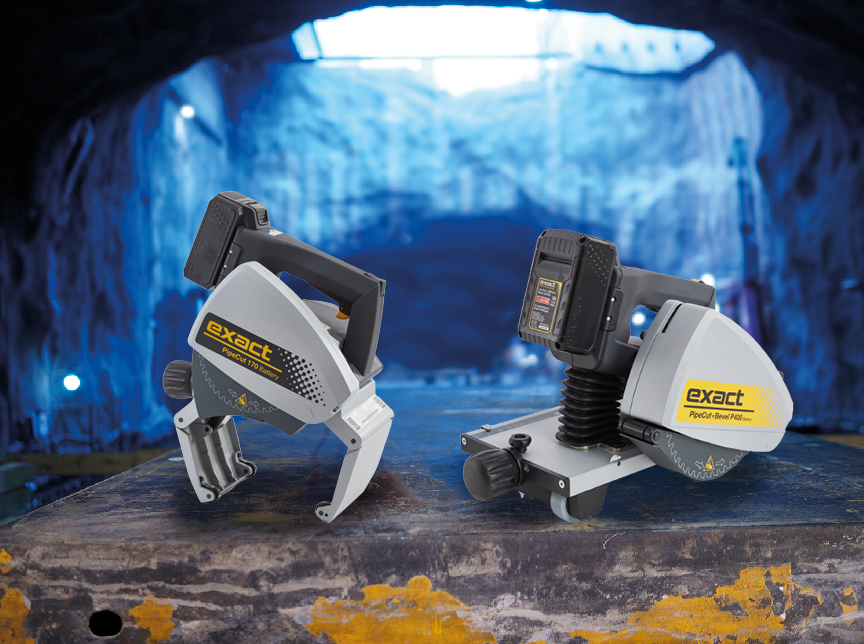
Pipe saw sparks can indeed cause serious fire hazards in industrial environments. Traditional pipe-cutting methods generate sparks through friction and high heat, creating significant safety risks wherever flammable materials are present. Modern cold cutting technology eliminates these dangers by cutting without producing sparks or flames, making it the safer choice for professional pipe-cutting applications.
Do pipe saws create sparks that can cause fires?
Traditional pipe-cutting methods, particularly those using abrasive wheels and angle grinders, create sparks through friction and intense heat. These sparks can reach temperatures above 1,500°C and travel several metres from the cutting point, easily igniting flammable materials, gases, or combustible dust in the surrounding area.
The fire hazards from pipe saw sparks are particularly dangerous in industrial environments where multiple risk factors often exist simultaneously. Sparks can ignite clothing, wooden structures, paper, chemical vapours, and accumulated dust. Even seemingly safe environments can become hazardous when hot metal particles land on surfaces that may not show immediate signs of ignition.
Spark-free cutting technologies represent a fundamental shift in pipe-cutting safety. These systems use mechanical cutting processes that slice through materials without generating friction-based heat or sparks. Cold cutting methods maintain material integrity while eliminating the primary ignition source that makes traditional cutting so dangerous in many industrial settings.
What makes cold cutting technology safer than traditional methods?
Cold cutting technology eliminates spark generation by using sharp cutting tools that slice through materials mechanically rather than grinding through them with abrasive friction. This process maintains low temperatures throughout the cutting operation, preventing the heat build-up that creates sparks in traditional methods.
The safety benefits extend beyond spark elimination. Cold cutting produces clean, precise cuts without generating harmful fumes or requiring extensive ventilation systems. Workers can operate these tools in confined spaces and around sensitive equipment without the fire safety protocols required for spark-producing methods. Explore professional cold cutting solutions that prioritise safety without compromising efficiency.
Cold cutting systems also reduce workplace accidents by eliminating the unpredictable nature of spark trajectories. Traditional cutting requires extensive area preparation, fire watch personnel, and post-cutting monitoring. Cold cutting technology allows work to resume immediately, without cooling-down periods or fire-safety delays.
Which pipe-cutting environments have the highest fire risks?
Confined spaces present the highest fire risks for spark-producing pipe cutting due to limited ventilation and restricted escape routes. These environments often contain accumulated flammable vapours or dust that can ignite explosively when exposed to cutting sparks.
Chemical processing facilities, refineries, and manufacturing plants with combustible materials create extremely dangerous cutting environments. Even small sparks can trigger chain reactions in these settings. Offshore platforms, ships, and marine environments pose additional risks due to fuel storage and limited emergency response capabilities.
Construction sites near fuel storage, paint shops, woodworking areas, and textile facilities require special precautions. Hospital and care-facility maintenance work presents unique challenges where evacuation may be difficult. Data centres and areas with electronic equipment are particularly vulnerable to spark damage and fire risks.
How can you prevent fire hazards when cutting pipes?
Equipment selection forms the foundation of fire-hazard prevention. Choose spark-free cutting technology whenever possible, particularly in high-risk environments. When traditional methods must be used, implement comprehensive fire-prevention protocols, including area clearance, fire watch personnel, and appropriate extinguishing equipment.
Work area preparation involves removing all flammable materials within a 10-metre radius of cutting operations. Cover nearby surfaces with fire-resistant materials and ensure adequate ventilation. Establish clear evacuation routes and position fire extinguishers strategically around the work area.
Safety protocols should include:
- Pre-work fire risk assessments and permits
- Continuous fire watch during and after cutting operations
- Regular equipment maintenance and inspection
- Worker training on fire prevention and emergency response
- Post-work area monitoring for hidden ignition sources
Professional Pipe Cutting Solutions
| Product | Pipe Size Range | Materials | Key Safety Feature |
|---|---|---|---|
| PipeBevel 220E | 25-220 mm | Steel, stainless steel | No flames or sparks |
| PipeBevel 360E | 110-360 mm | Steel, stainless steel | Cold cutting process |
| PipeCut P400 | 50-400 mm | PE, PP, PVC plastics | Spark-free operation |
How does Exact Tools help customers with safe pipe cutting?
We specialise in cold cutting technology that completely eliminates fire hazards from pipe-cutting operations. Our PipeCut series delivers spark-free cutting through mechanical processes that slice cleanly through steel, plastic, copper, aluminium, cast iron, stainless steel, and multilayer pipes without generating heat or sparks.
Our safety certifications include ISO 9001, ISO 14001, and ISO 45001 standards, demonstrating our commitment to quality management, environmental responsibility, and occupational safety. The PipeBevel systems featured above represent our dedication to providing professional-grade solutions that prioritise worker safety while maintaining cutting efficiency—up to 10 times faster than traditional methods.
Our cold cutting solutions offer:
- Complete elimination of spark and fire hazards
- 85% lower power consumption compared to angle grinders
- Clean, precise cuts ready for immediate joining
- Portable design for on-site safety and convenience
- Comprehensive safety training and support
Contact our safety specialists to discuss how our spark-free cutting technology can eliminate fire hazards in your specific applications while improving cutting efficiency and workplace safety standards.