

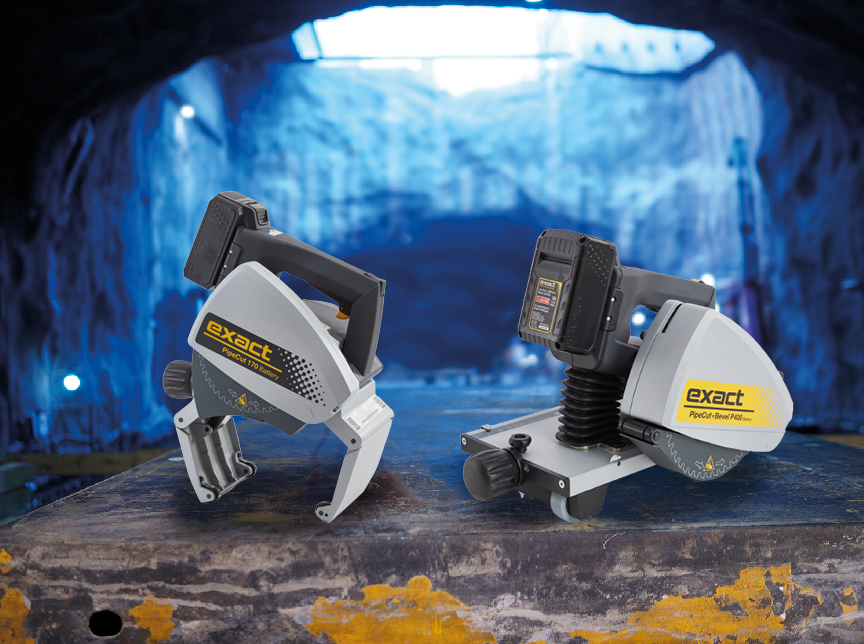
Poor maintenance significantly affects pipe-cutting accuracy by reducing blade sharpness and causing mechanical misalignment and component wear. Signs include rough cut surfaces, dimensional inconsistencies, increased vibration, and uneven blade-wear patterns. Regular maintenance schedules—including proper blade care, alignment checks, and lubrication—prevent accuracy issues. Professional pipe-cutting equipment requires systematic maintenance to maintain the precision necessary for quality installations and reliable pipe cutting performance.
What are the main signs that poor maintenance is affecting your pipe cutting accuracy?
Several visible and performance indicators reveal when maintenance issues compromise cutting precision. Cut quality deterioration appears as rough, uneven surfaces that require additional finishing work. Dimensional inconsistencies become apparent when pipe ends do not meet specified measurements or show variations between cuts.
Increased vibration during operation signals mechanical problems that directly impact accuracy. This excessive movement prevents smooth, controlled cutting and creates irregular cut patterns. You may also notice uneven blade-wear patterns, where certain sections of the blade show more wear than others, indicating alignment problems or improper mounting.
Other warning signs include longer cutting times, increased effort required to complete cuts, and visible burning or melting on plastic pipes. Metal pipes may show scoring marks or stepped cuts rather than smooth, straight edges. These symptoms often appear gradually, making regular inspection crucial for maintaining professional pipe-cutting precision.
How does blade condition directly impact cutting precision and quality?
Blade sharpness and tooth condition directly determine cutting accuracy through their ability to create clean, controlled cuts. Worn blades create rough cuts with dimensional variations that increase material waste and require additional finishing work. Sharp blades slice through material cleanly, whereas dull blades tear and deform the pipe wall.
Tooth condition affects how the blade engages with different materials. Damaged or missing teeth create uneven cutting forces that pull the saw off its intended path. This results in angled cuts, surface irregularities, and inconsistent pipe-end preparation that compromises joint quality in professional installations.
Blade geometry changes as cutting edges wear down, altering the cutting angle and reducing precision. Professional pipe-cutting applications require consistent dimensional accuracy, particularly for welded joints where even small variations affect fit-up quality. Regular blade inspection and replacement maintain the cutting precision necessary for quality installations.
What maintenance schedule ensures consistent pipe cutting performance?
A comprehensive maintenance schedule includes daily cleaning, weekly inspections, and monthly calibration checks. Daily maintenance tasks involve cleaning debris from cutting areas, checking blade tightness, and inspecting for visible damage. These quick checks prevent small problems from developing into accuracy issues.
Weekly maintenance includes:
- Detailed blade inspection for wear patterns and damage
- Lubrication of moving parts according to manufacturer specifications
- Alignment verification using appropriate measuring tools
- Cleaning of internal components and ventilation systems
Monthly calibration checks involve verifying cutting accuracy with test cuts on sample materials. Measure cut angles, surface finish, and dimensional consistency to identify developing problems. Replace worn components before they affect cutting quality. Document maintenance activities to track component life and identify patterns that might indicate operational issues requiring attention.
Why do alignment issues cause inaccurate cuts and how can you prevent them?
Mechanical misalignment affects cutting precision by preventing the blade from following its intended path through the material. Common alignment problems include loose mounting hardware, worn guide components, and improper setup procedures that create angular or curved cuts instead of straight, perpendicular cuts.
Alignment issues develop through normal use as components experience wear and vibration loosens connections. Impact damage from dropped tools or rough handling can instantly create misalignment problems. Temperature changes also affect metal components, potentially altering machine geometry over time.
Prevention involves regular alignment checks using precision measuring tools and established procedures. Tighten all mounting hardware to specified torque values during routine maintenance. Store equipment properly to prevent impact damage and temperature extremes. Train operators in proper setup procedures to avoid alignment problems during normal use.
How does Exact Tools help professionals maintain cutting accuracy?
We provide precision-engineered pipe-cutting solutions designed to minimise maintenance-related accuracy issues for professional users. Our PipeCut series delivers consistent performance through robust construction and quality components that maintain accuracy over an extended service life. The machines feature user-friendly designs that simplify proper setup and operation.
Our maintenance support includes comprehensive guidelines for keeping equipment in optimal condition. Quality certifications, including ISO 9001, ISO 14001, and ISO 45001, demonstrate our commitment to manufacturing standards that support long-term accuracy and reliability. The cold-cutting process eliminates heat-related distortion that can affect cutting precision.
Professional Pipe Cutting Solutions
| Model | Pipe Range | Materials | Key Features |
|---|---|---|---|
| PipeCut P400 | 50-400 mm | PE, PP, PVC, plastic pipes | Cut and bevel in one process, 15-degree bevel capability |
| PipeBevel 220E | 25-220 mm | Steel, stainless steel | Multiple bevel angles, built-in stopper feature |
| PipeBevel 360E | 110-360 mm | Steel, stainless steel | Large-diameter capability, consistent results |
Professional contractors benefit from our focus on accuracy-critical applications where dimensional consistency matters. The machines’ design minimises alignment issues through precision manufacturing and robust mounting systems. Regular maintenance becomes more effective when equipment is designed for serviceability and long-term performance. Contact our team to discuss how our pipe-cutting solutions can support your accuracy requirements and maintenance objectives.