

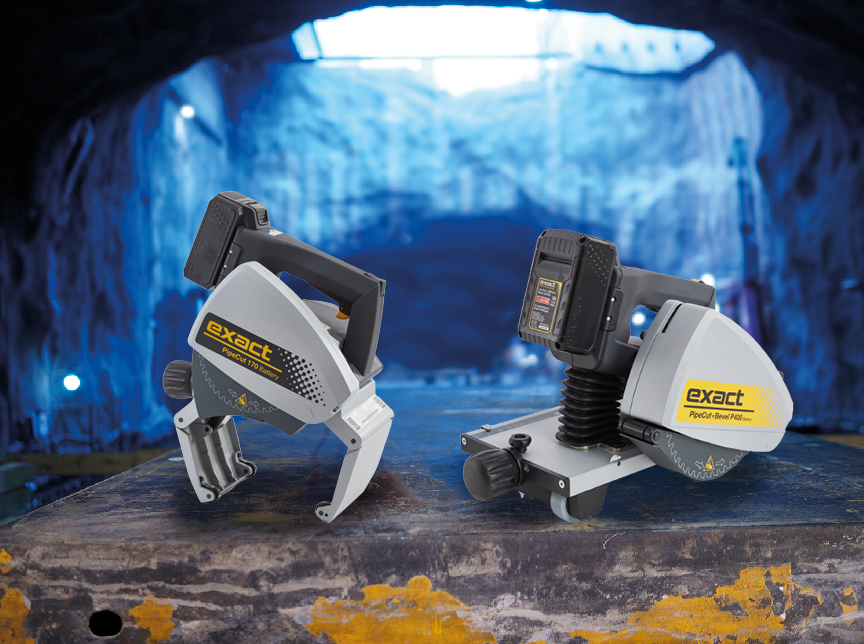
Pipe sawing significantly reduces worker fatigue compared to traditional cutting methods by eliminating excessive vibration, reducing physical strain, and providing ergonomic operation. Modern pipe saws offer lightweight designs, automated features, and cold-cutting processes that minimise the physical demands on workers while maintaining superior cutting precision. Explore advanced pipe cutting solutions that prioritise worker comfort and safety.
What causes worker fatigue in traditional pipe cutting methods?
Traditional pipe cutting methods cause worker fatigue through excessive vibration exposure, repetitive motions, and prolonged tool use. Angle grinders and manual cutting tools generate significant vibrations that transfer through the operator’s hands and arms, leading to muscle strain and potential long-term health issues.
The physical demands of conventional pipe cutting include maintaining awkward body positions while controlling heavy equipment. Workers must apply continuous pressure to maintain cutting progress, resulting in muscle fatigue in the shoulders, back, and arms. The repetitive nature of cutting multiple pipes compounds these physical stresses throughout the workday.
Prolonged exposure to tool vibration can lead to conditions such as Hand-Arm Vibration Syndrome (HAVS), which affects blood circulation and nerve function. The combination of noise exposure, dust generation, and the need for constant alertness due to spark hazards further contributes to overall worker exhaustion and decreased productivity.
How does pipe sawing technology reduce physical strain on workers?
Pipe sawing technology reduces physical strain through significantly lower vibration levels, lightweight operation, and automated cutting features that require minimal manual effort. Modern pipe saws operate with controlled cutting mechanisms that eliminate the harsh vibrations associated with angle grinders and reciprocating saws.
The ergonomic design of pipe saws distributes weight evenly, reducing the burden on individual muscle groups. Many models feature balanced construction that allows operators to maintain natural body positions during cutting operations. Automated feed systems in advanced pipe saws eliminate the need for continuous manual pressure, allowing workers to guide rather than force the cutting process.
Precision cutting capabilities reduce the need for rework and finishing operations. When pipes are cut cleanly on the first attempt, workers avoid the additional fatigue associated with correcting poor cuts or extensive deburring. The consistent results from pipe saws mean less time spent on each joint, reducing overall physical demands throughout the project.
What are the safety benefits of using pipe saws versus traditional cutting tools?
Pipe saws offer superior safety through cold-cutting processes that eliminate sparks and fire hazards, while providing better dust control and reduced noise levels. Unlike angle grinders that generate sparks and extreme heat, pipe saws use controlled cutting mechanisms that maintain low temperatures throughout the operation.
The enclosed cutting chambers in many pipe saw designs contain debris and reduce airborne particles. This containment protects workers from inhaling metal particles and reduces the need for extensive cleanup around work areas. Lower noise levels compared to traditional cutting methods reduce the risk of hearing damage and improve communication between team members.
The risk of repetitive strain injuries is reduced because pipe saws require less physical force and provide more stable cutting platforms. The controlled cutting action eliminates the sudden binding or kickback that can cause acute injuries with handheld grinders. Workers maintain better control throughout the cutting process, reducing the likelihood of accidents.
How do modern pipe cutting machines improve workplace efficiency?
Modern pipe cutting machines deliver cutting speeds up to 10 times faster than traditional methods while providing consistent cut quality that eliminates finishing work. Their precision cutting capabilities ensure straight, clean cuts that are ready for joining without additional preparation.
Portable designs enable on-site operation without the need to transport pipes to fixed cutting stations. This mobility reduces handling time and minimises the risk of damage during transport. Quick setup procedures mean workers can begin cutting operations immediately upon arrival at the work location.
Reduced setup time compared to traditional methods comes from simplified clamping systems and intuitive controls. Many modern pipe saws feature tool-free adjustments that allow rapid changes between different pipe sizes. The consistent results eliminate the trial-and-error approach often required with manual cutting methods, improving overall project timelines.
What should workers consider when choosing ergonomic pipe cutting equipment?
Workers should prioritise weight distribution, vibration levels, and ease of operation when selecting ergonomic pipe cutting equipment. The tool’s balance and grip design directly impact user comfort during extended operations. Equipment that distributes weight evenly across the operator’s body reduces localised muscle strain.
Vibration levels should be minimised to prevent long-term health issues. Look for equipment specifications that clearly state vibration measurements and compare these values between different models. Tools with vibration-dampening features provide additional protection for regular users.
Maintenance requirements affect long-term usability and worker satisfaction. Choose equipment with accessible service points and straightforward blade-changing procedures. Compatibility with different pipe materials and sizes ensures versatility across various projects without requiring multiple specialised tools.
Featured Pipe Cutting Solutions
| Product | Pipe Range | Materials | Key Features |
|---|---|---|---|
| PipeCut P400 | 50-400 mm | PE, PP, PVC plastics | Cut and bevel in one process, 15° bevel capability |
| PipeBevel 220E | 25-220 mm | Steel, stainless steel | Portable design, no sparks, multiple bevel angles |
| PipeBevel 360E | 110-360 mm | Steel, stainless steel | Heavy-duty applications, consistent bevels, easy setup |
How Exact Tools helps reduce worker fatigue in pipe cutting
We specialise in developing ergonomic pipe cutting solutions that prioritise worker comfort and safety through innovative design and advanced cutting technology. Our extensive experience in industrial tool manufacturing has enabled us to create equipment that addresses the primary causes of worker fatigue in pipe cutting operations.
Our pipe cutting machines feature significantly reduced vibration levels compared to traditional cutting methods, protecting workers from long-term health issues while improving cutting precision. The lightweight, balanced designs of our equipment distribute operational forces evenly, reducing strain on individual muscle groups during extended use.
Key features that reduce worker fatigue include:
- Cold-cutting processes that eliminate heat exposure and fire hazards
- Automated cutting mechanisms that require minimal manual force
- Ergonomic controls positioned for natural hand and arm positioning
- Quick-change blade systems that reduce maintenance time and effort
- Portable designs that eliminate heavy lifting and awkward positioning
Our commitment to workplace safety extends beyond individual tool design to comprehensive cutting solutions that improve overall project efficiency. By delivering clean, precise cuts that require no finishing work, our equipment reduces the total physical demands on workers throughout the pipe installation process. Contact our team to discuss how our ergonomic pipe cutting solutions can reduce worker fatigue in your operations while improving productivity and safety standards.