

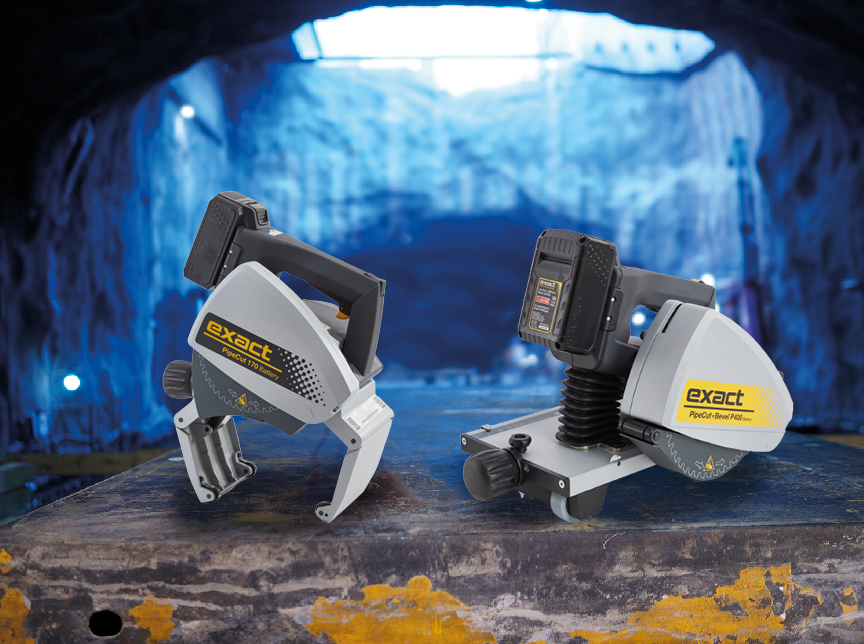
Selecting the right pipe saw depends on your specific project requirements, including the materials you’ll cut, pipe diameters, portability needs, and safety considerations. The ideal pipe-cutting tool should match your pipe materials while offering efficient cutting performance and reliable operation. Consider factors such as power consumption, cutting speed, blade compatibility, and whether you need additional features such as bevelling capabilities.
Professional pipe-cutting equipment varies significantly in capabilities and applications. Explore our comprehensive range of pipe saws to understand how different models serve various industrial and construction needs.
What factors should you consider when selecting a pipe saw?
The most critical factors include pipe material compatibility, diameter range, portability requirements, power source, safety features, and cutting precision needs. Your project environment, frequency of use, and budget constraints also influence the optimal choice for professional pipe-cutting applications.
Material compatibility is the primary consideration, as different pipe materials require specific blade types and cutting approaches. Steel pipes demand robust cutting power, while plastic materials need precise speed control to prevent melting or cracking. The pipe diameter range determines which saw models can accommodate your project specifications.
Portability becomes essential for on-site work, where mobility affects productivity. Consider the weight, power-source options, and transportation requirements. Battery-powered models offer greater flexibility but may have limited runtime, while corded versions provide consistent power but require electrical access.
Safety features significantly impact both worker protection and cutting quality. Look for spark-free cutting technology, proper blade guards, emergency stops, and noise-reduction capabilities. These features protect operators while maintaining precise cutting results.
How do different pipe materials affect your pipe saw choice?
Each pipe material requires specific cutting approaches, blade types, and power considerations. Steel and stainless steel need robust cutting power with appropriate blade materials, while plastic pipes require controlled speeds to prevent heat damage. Multi-layer pipes present unique challenges that require versatile cutting capabilities.
Steel pipes, including stainless steel varieties, demand high torque and durable blade materials. These materials resist cutting forces, requiring saws with sufficient power reserves and heat-resistant blades. The cutting process generates more heat, necessitating proper cooling or spark-free cutting technology.
Plastic materials such as PE, PP, and PVC require careful speed control to prevent melting at the cut edge. Lower cutting speeds with sharp blades produce clean cuts without thermal damage. Some plastic applications benefit from simultaneous cutting and bevelling.
Cast iron presents brittleness challenges, requiring steady cutting pressure without shock loads. Copper and aluminium cut more easily but may require specific blade geometries to prevent material buildup on cutting edges. Multi-layer pipes require versatile saws capable of handling different material properties simultaneously.
What pipe diameter ranges can different pipe saws handle?
Pipe saws typically fall into three categories: compact models for small diameters (up to 100 mm), medium-range saws for standard applications (100–300 mm), and heavy-duty systems for large industrial pipes (300 mm and above). Each category offers specific advantages for different project requirements and operating environments.
Small-diameter pipe saws excel in precision applications where portability and ease of handling matter most. These compact units typically handle pipes from 25 mm to 100 mm in diameter, making them ideal for plumbing installations and light industrial work.
Medium-range pipe-cutting tools cover the most common industrial applications, accommodating pipes from 100 mm to 300 mm in diameter. These versatile machines balance cutting capability with reasonable portability, making them suitable for construction and industrial maintenance work.
Large-diameter systems handle industrial applications involving pipes above 300 mm in diameter. These robust machines prioritise cutting power and precision over portability, often featuring advanced clamping systems and multiple cutting-head options.
Why is portability important in pipe saw selection?
Portability directly affects job-site efficiency, operator fatigue, and project flexibility. Lightweight, portable pipe saws enable easy positioning around existing installations, reduce setup time, and allow single-operator use. Heavy, stationary systems may offer more power but limit operational flexibility and increase labour requirements.
On-site work environments often present space constraints and access challenges. Portable pipe-cutting equipment can navigate tight spaces, elevated positions, and confined areas where larger equipment cannot operate effectively. This flexibility reduces project complexity and installation time.
Weight considerations affect operator comfort and productivity during extended work periods. Lighter machines reduce fatigue while maintaining cutting precision, which is particularly important for overhead cutting or cutting in awkward positions. Battery-powered options eliminate cord-management issues but require runtime planning.
Transportation requirements influence equipment selection for mobile contractors and service technicians. Compact, lightweight pipe saws fit easily in service vehicles alongside other tools, while larger systems may require dedicated transport arrangements and additional personnel.
How do safety features impact pipe saw performance?
Advanced safety features enhance both operator protection and cutting quality through spark-free technology, proper blade guards, emergency controls, and noise-reduction systems. These features prevent accidents while maintaining consistent cutting precision, ultimately improving overall project efficiency and workplace safety standards.
Spark-free cold-cutting technology eliminates fire hazards in sensitive environments while producing cleaner cut edges. This approach reduces heat-affected zones around cut surfaces, improving joint quality and reducing post-cutting preparation work.
Blade-guard systems protect operators from accidental contact while maintaining clear sight lines for precise cutting. Emergency-stop controls provide immediate power disconnection when needed, preventing equipment damage and potential injuries during unexpected situations.
Noise-reduction features benefit both operators and surrounding personnel, which is particularly important in occupied buildings or noise-sensitive environments. Lower noise levels reduce fatigue and improve communication during collaborative work activities.
Featured Pipe Cutting Solutions
| Model | Pipe Range | Materials | Key Features |
|---|---|---|---|
| PipeCut P400 | 50–400 mm | PE, PP, PVC plastics | Cut and bevel in one process, 15-degree bevel, 6.0 kg weight |
| PipeBevel 220E | 25–220 mm | Steel, stainless steel | Portable beveller, multiple angles, spark-free operation |
| PipeBevel 360E | 110–360 mm | Steel, stainless steel | Heavy-duty beveller, built-in stopper, fast setup |
How do Exact Tools help customers with pipe saw selection?
We specialise in professional pipe-cutting solutions, with over twenty years of expertise in developing innovative cutting and bevelling technology. Our comprehensive product range covers applications from small plastic pipes to large industrial steel installations, supported by ISO 9001, ISO 14001, and ISO 45001 certifications that ensure quality, environmental responsibility, and safety standards.
Our Finnish engineering approach focuses on practical solutions that deliver measurable performance improvements. Key advantages include:
- Cutting speed improvements of up to 10 times faster than traditional methods
- Material versatility for steel, plastic, copper, aluminium, cast iron, stainless steel, and multi-layer pipes
- Energy efficiency with 85% lower power consumption compared to angle grinders
- Safety innovation through spark-free cold-cutting technology
- Award-winning design recognised with Red Dot Design Awards and GOOD DESIGN Awards
We provide comprehensive technical support to help customers select the optimal equipment for specific applications. Our product development focuses on real-world challenges faced by professional contractors, ensuring practical solutions that improve productivity and safety standards.
Professional pipe cutting requires reliable equipment backed by proven expertise. Contact our technical team to discuss your specific pipe-cutting requirements and discover how our innovative solutions can enhance your project efficiency and cutting quality.