

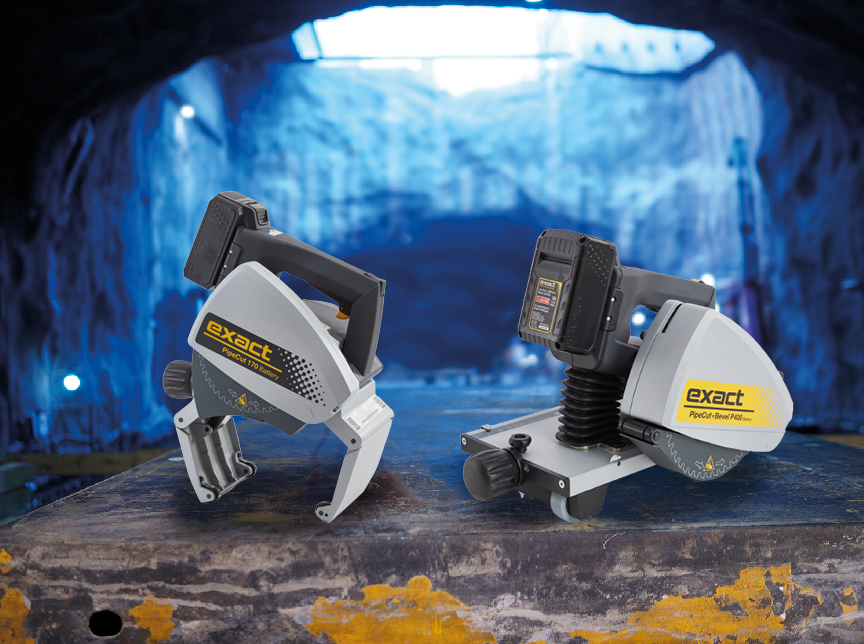
Extending pipe saw blade life requires proper maintenance, correct cutting techniques, and an understanding of the factors that affect blade wear. The lifespan of your pipe saw blades depends primarily on the material being cut, cutting speed, blade quality, and maintenance practices. Professional pipe cutting equipment combined with proper blade care can significantly reduce replacement costs while maintaining cutting quality. Regular maintenance between uses, recognising warning signs of replacement, and using appropriate cutting techniques are essential for maximising blade longevity.
What factors affect pipe saw blade lifespan the most?
The material being cut is the primary factor determining blade lifespan, with harder materials like stainless steel and cast iron causing more wear than softer materials such as plastic or copper. Blade quality also plays a crucial role, as high-grade carbide-tipped blades typically last significantly longer than standard steel blades. Cutting speed and feed rate directly impact wear patterns, while environmental conditions—including dust, moisture, and temperature fluctuations—affect blade performance.
Different pipe materials create varying levels of stress on cutting blades. Steel pipes require more aggressive cutting action, leading to faster blade wear than plastic pipes. Multi-layer pipe materials can be particularly challenging because they combine different hardness levels, which can create uneven wear patterns. Pipe wall thickness also influences blade life, with thicker walls requiring more cutting time and generating additional heat that accelerates blade deterioration.
Cutting technique significantly impacts blade durability through proper speed control and feed pressure. Excessive cutting speed generates heat that can damage blade teeth, while insufficient speed can cause binding and premature wear. Environmental factors such as working in dusty conditions or extreme temperatures can reduce blade effectiveness and require more frequent cleaning and inspection to maintain optimal performance.
How do you properly maintain pipe saw blades between uses?
Proper blade maintenance begins with thorough cleaning after each use to remove metal shavings, debris, and any cutting-fluid residue. Store blades in a dry environment with protective covers to prevent damage to the cutting edges. Regular inspection for wear patterns, damaged teeth, or warping helps identify potential issues before they affect cutting performance and safety.
The cleaning process should include:
- Removing all debris with a stiff brush or compressed air
- Wiping down blade surfaces with a clean, dry cloth
- Checking for any signs of damage or excessive wear
- Applying light oil to prevent rust formation on steel components
Storage conditions are equally important for maintaining blade integrity. Keep blades in individual protective cases or hang them on dedicated racks to prevent contact damage. Avoid storing blades in damp environments or areas with temperature fluctuations that could cause expansion-and-contraction stress. Regular inspection schedules should include checking blade mounting holes for wear, measuring blade diameter to monitor uniform wear, and examining cutting edges for chips or excessive dulling.
Preventive maintenance schedules depend on usage frequency but generally include weekly cleaning for regular users, monthly detailed inspections, and quarterly assessments of blade geometry and cutting performance. Maintaining detailed records of blade usage helps establish replacement patterns and optimise maintenance intervals.
What are the warning signs that your pipe saw blade needs replacement?
Deteriorating cut quality is the most obvious indicator that blade replacement is necessary, including rough or uneven cuts, increased burr formation, and difficulty maintaining straight cut lines. Increased cutting time for similar materials suggests blade dulling, while visible wear such as missing or damaged teeth, reduced blade diameter, or warping indicates the need for immediate replacement.
Performance indicators that signal blade replacement include:
- Requiring increased pressure to maintain cutting speed
- Excessive vibration during cutting operations
- Burning or discolouration of cut surfaces
- Unusual noise levels during operation
Visual inspection should reveal specific wear patterns that indicate when replacement is needed. Tooth wear becomes apparent when cutting edges appear rounded rather than sharp, or when tooth height varies significantly across the blade. Cracks in the blade body or missing carbide tips represent safety hazards requiring immediate replacement.
Safety considerations are paramount when determining replacement timing. Blades showing any structural damage, including hairline cracks or loose teeth, must be replaced immediately to prevent potential injury. Even moderately worn blades that require excessive force can create dangerous situations through increased kickback risk or loss of cutting control.
How does cutting technique impact blade longevity?
Proper cutting technique significantly extends blade life by maintaining optimal cutting speeds, using appropriate feed rates, and allowing the blade to perform the cutting action without excessive force. The fundamental principle is to let the blade do the work rather than forcing the cut, which reduces stress on cutting edges and prevents premature wear or damage.
Optimal cutting speeds vary depending on pipe material and diameter, but maintaining a consistent speed throughout the cut prevents uneven wear patterns. Feed rate control ensures steady cutting progress without overloading the blade or creating excessive heat buildup. Proper cutting angles help maintain blade geometry and prevent binding that can cause tooth damage or blade warping.
Key technique elements include:
- Starting cuts slowly to establish a proper cutting groove
- Maintaining steady, consistent feed pressure
- Avoiding backing out of partial cuts when possible
- Ensuring proper blade alignment before beginning cuts
- Using appropriate cutting fluid when recommended
Avoiding common mistakes such as forcing cuts through difficult materials, using inappropriate speeds for specific pipe types, or continuing to cut with obviously dulled blades helps maintain both blade life and cutting quality. Regular technique assessment and adjustment based on cutting results optimises both productivity and blade longevity.
How does Exact Tools help customers extend pipe saw blade life?
We approach blade longevity through precision engineering and comprehensive customer support that addresses every aspect of blade performance. Our pipe cutting systems are designed with optimal blade geometry and cutting speeds that naturally extend blade life while maintaining superior cutting quality. Our engineering standards ensure consistent performance across all operating conditions.
Our product range includes three key examples that demonstrate our commitment to blade longevity:
PipeCut P400 System
| Pipe Materials | PE, PP, PVC, and other plastics |
| Pipe Diameter | 50-400mm (2″-16″) |
| Key Feature | Cut and bevel in one process with a TCT blade |
| Blade Advantage | Optimised for plastic materials, reducing wear |
PipeBevel 220E System
| Pipe Materials | Steel and stainless steel |
| Pipe Diameter | 25-220mm (0.98″-8.6″) |
| Key Feature | 3 cutting tips with 4 edges each |
| Blade Advantage | 12 cutting edges per head extend operational life |
PipeBevel 360E System
| Pipe Materials | Steel and stainless steel |
| Pipe Diameter | 110-360mm (4.33″-14.17″) |
| Key Feature | Multiple bevel angles with rotating cutting tips |
| Blade Advantage | Consistent cutting geometry reduces uneven wear |
Our comprehensive approach includes detailed operating instructions, guidance on proper blade selection, and maintenance support that helps customers achieve maximum blade life. We provide specific recommendations for different pipe materials and cutting applications, ensuring optimal blade performance across diverse working conditions. Quality standards throughout our manufacturing process guarantee consistent blade geometry and cutting performance that naturally extends operational life.
For expert guidance on extending your pipe saw blade life and selecting the optimal cutting solution for your specific requirements, contact our technical team, who can provide personalised recommendations based on your cutting applications and working conditions.