

Pipe saw safety requires proper protective equipment, correct cutting techniques, and thorough pre-operation inspections. Most accidents occur due to blade-contact injuries, kickback incidents, and improper material handling. Following established safety protocols, properly maintaining equipment, and using appropriate personal protective equipment significantly reduce workplace pipe-cutting hazards and ensure safe operation.
What are the most common pipe saw accidents, and how do they happen?
The most frequent pipe saw accidents include blade-contact injuries caused by improper handling, kickback incidents when blades bind in the material, and material ejection that causes projectile injuries. Equipment malfunctions often result from poor maintenance, while operator error accounts for the majority of workplace cutting incidents due to inadequate safety practices.
Blade-contact injuries typically occur when operators lose control during cutting operations or attempt to clear debris while the blade is moving. These incidents often happen when workers become complacent with familiar equipment or rush through cutting procedures without following proper safety protocols.
Kickback is one of the most dangerous pipe saw hazards. It occurs when the blade suddenly binds in the material and forces the saw back toward the operator. This phenomenon is particularly common when cutting through materials with varying densities or when the blade encounters unexpected obstructions inside the pipe.
Material ejection accidents happen when cut pieces or debris are thrown from the cutting area at high velocity. Poor workpiece-securing methods contribute significantly to these incidents, as do inadequate workspace preparation and insufficient safety barriers around the cutting zone.
What safety equipment do you need before operating a pipe saw?
Essential personal protective equipment includes safety glasses with side shields, hearing protection rated for industrial noise levels, cut-resistant gloves designed for power-tool use, and close-fitting clothing without loose sleeves or jewellery. Steel-toed boots provide additional protection against dropped materials and equipment.
Eye protection must meet industrial safety standards and provide coverage from flying debris and metal particles. Standard prescription glasses are insufficient for pipe-cutting operations, as they lack the impact resistance and side protection necessary for industrial cutting safety.
Hearing protection becomes critical during extended cutting operations, as pipe saws generate noise levels that can cause permanent hearing damage. Both earplugs and noise-cancelling earmuffs offer adequate protection when properly fitted and maintained.
Workspace safety requirements include proper ventilation to remove metal dust and fumes, stable work surfaces that prevent material movement during cutting, and readily accessible emergency equipment, including first-aid supplies and fire extinguishers. Adequate lighting ensures operators can clearly see cut lines and potential hazards.
Consider exploring professional pipe cutting solutions that incorporate advanced safety features designed to reduce common workplace hazards.
How do you properly set up and inspect a pipe saw before cutting?
Pre-operation safety checks must include a thorough blade inspection for cracks, chips, or excessive wear; verification of proper blade installation and secure mounting; electrical safety checks of power cords and connections; and workspace preparation to ensure stable cutting conditions and adequate clearance around the work area.
Blade inspection requires checking for visible damage, ensuring the blade type is appropriate for the intended material, and confirming that the cutting edges remain sharp and undamaged. Dull or damaged blades increase the risk of kickback and require excessive force, which can lead to loss of control.
Proper blade installation involves:
- Ensuring the correct rotation direction according to manufacturer markings
- Tightening mounting hardware to the specified torque values
- Checking blade-guard alignment and secure attachment
- Verifying adequate clearance between the blade and the saw housing
Electrical safety checks should include inspecting the power cord for damage or wear, verifying ground-fault circuit interrupter functionality, and confirming proper electrical connections. Never operate pipe saws with damaged electrical components, as this creates serious electrocution hazards.
Workspace preparation includes securing the workpiece properly, removing potential tripping hazards, ensuring adequate lighting, and establishing clear escape routes in case of an emergency during cutting operations.
What cutting techniques prevent accidents during pipe saw operation?
Safe pipe-cutting practices require maintaining a proper grip with both hands, adopting a stable stance with feet positioned for balance, using appropriate feed rates that do not force the blade, and securing materials adequately to prevent movement. Never attempt to cut freehand or support materials inadequately during cutting operations.
Proper grip technique involves holding the saw firmly with both hands, keeping fingers away from the blade path, and maintaining control throughout the entire cutting operation. The dominant hand should control the trigger and primary grip, while the support hand provides stability and guidance.
Correct stance positioning includes:
- Standing to one side of the cut line to avoid potential kickback
- Maintaining balanced footing on stable surfaces
- Keeping body weight distributed evenly
- Positioning yourself to maintain clear sight lines to the cutting area
Feed-rate control prevents blade binding and reduces kickback risk. Allow the blade to cut at its designed speed rather than forcing it through the material. Different pipe materials require specific cutting approaches: steel pipes need steady, consistent pressure, while plastic materials may require a lighter touch to prevent melting.
Material-securing methods must ensure the workpiece cannot move during cutting. Use proper clamps, vices, or pipe supports designed for cutting operations. Never attempt to hold materials by hand while cutting, as this significantly increases the risk of injury.
How do you handle emergencies and maintain pipe saws for long-term safety?
Emergency response procedures include immediately disconnecting power in the event of any malfunction, following proper first-aid protocols for injuries, and using appropriate tools to release a bound blade safely. Regular maintenance schedules should include blade replacement based on usage hours, thorough cleaning after each use, and proper storage in dry, secure locations.
When blade binding occurs, immediately release the trigger and allow the blade to stop completely before attempting any corrective action. Never try to force a bound blade or remove the saw while the blade is still moving. Use appropriate tools to clear the binding material safely.
Maintenance schedules should include:
- Daily inspection of blades and safety guards
- Weekly cleaning of debris and dust accumulation
- Monthly electrical connection checks
- Quarterly professional service inspection
- Annual comprehensive safety system evaluation
Blade replacement becomes necessary when cutting performance decreases, visible damage appears, or manufacturer-recommended usage hours are reached. Always replace blades with manufacturer-specified types to maintain safety standards and cutting performance.
Proper storage requirements include clean, dry environments that prevent rust and corrosion, secure locations that prevent unauthorised access, and protective cases that prevent damage during transport. Document all maintenance activities and safety incidents to identify patterns and improve workplace safety procedures.
How does Exact Tools help customers with safe pipe cutting?
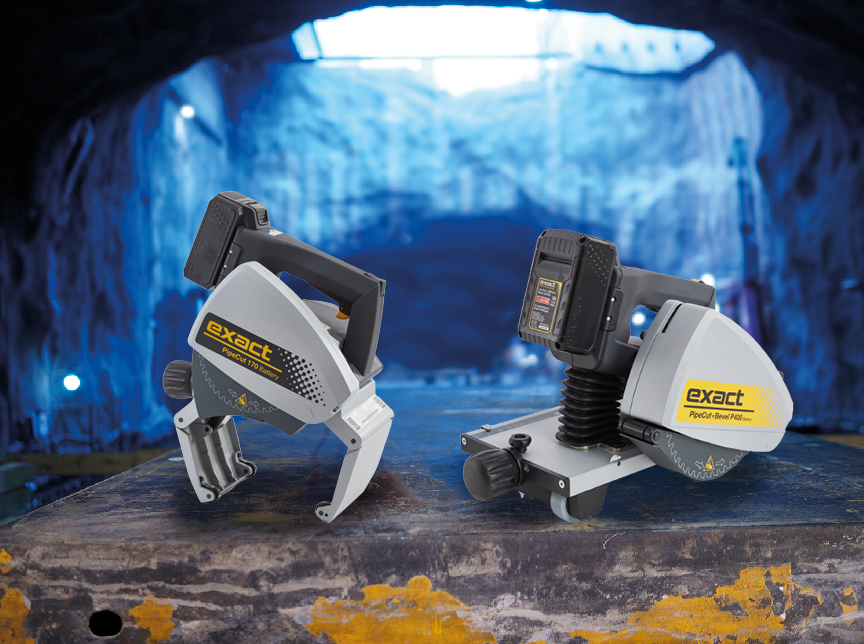
We prioritise pipe-cutting safety through innovative cold-cutting technology that eliminates the spark and fire hazards common with traditional cutting methods. Our PipeCut series incorporates multiple safety features, ISO certifications for quality and safety standards, and Finnish engineering focused on operator protection and accident prevention in industrial environments.
Our cold-cutting process significantly reduces workplace hazards by eliminating the sparks and heat generation associated with traditional angle grinders and cutting torches. This technology reduces fire risk and, in many industrial settings, reduces the need for hot-work permits.
Key safety advantages of our pipe cutting solutions include:
- 85% lower power consumption, reducing electrical hazards
- Spark-free operation, eliminating fire risks
- Precise cutting, reducing operator strain and fatigue
- Portable design, minimising manual-handling injuries
Professional Pipe Cutting Solutions Comparison
| Product | Pipe Materials | Size Range | Key Safety Features |
|---|---|---|---|
| PipeCut P400 | PE, PP, PVC, plastic pipes | 50-400mm diameter | Simultaneous cut and bevel, reduced handling |
| PipeBevel 220E | Steel, stainless steel | 25-220mm diameter | No sparks, consistent bevels, portable design |
| PipeBevel 360E | Steel, stainless steel | 110-360mm diameter | No flames or sparks, built-in stopper feature |
Our ISO 9001, ISO 14001, and ISO 45001 certifications demonstrate a comprehensive commitment to quality management, environmental responsibility, and occupational health and safety standards. These certifications ensure our products meet international safety requirements and undergo rigorous testing protocols.
For professional pipe-cutting safety solutions tailored to your specific requirements, explore our complete range of industrial pipe cutting equipment or contact our technical specialists for personalised safety consultation and product recommendations.