

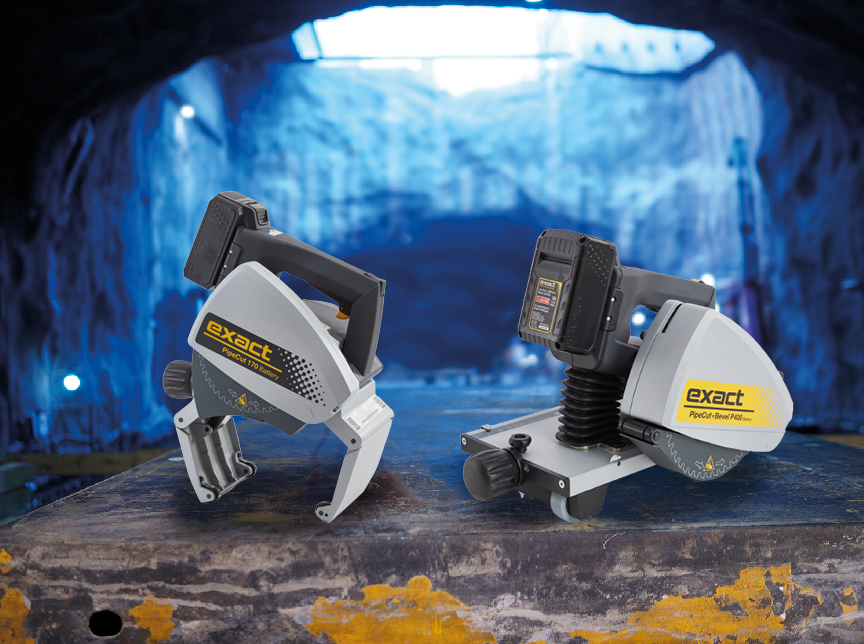
Handling heavy pipes safely during cutting requires proper lifting techniques, appropriate support equipment, and specialised tools designed for the task. The main risks include back injuries from improper lifting, crushing hazards from unstable pipes, and cutting accidents caused by inadequate securing. Using mechanical lifting aids, team-lifting procedures, and professional pipe cutting equipment significantly reduces these dangers while improving cutting precision and efficiency.
What are the main safety risks when handling heavy pipes during cutting?
Handling heavy pipes presents several serious safety risks that can result in workplace injuries and equipment damage. Back injuries are the most common hazard, occurring when workers attempt to lift pipes that exceed their physical capacity or use improper lifting techniques. These injuries can range from muscle strains to herniated discs requiring extended recovery periods.
Crushing hazards pose another significant risk when pipes are not properly supported or secured. Heavy pipes can shift unexpectedly during positioning or cutting, potentially trapping fingers, hands, or feet. The weight of industrial pipes, particularly steel and cast iron varieties, can cause severe injuries if they fall or roll unexpectedly.
Cutting accidents increase dramatically when working with unstable or improperly secured pipes. Vibration from cutting tools can cause heavy pipes to move, leading to inaccurate cuts, blade binding, or loss of control. Additionally, the physical strain of managing heavy pipes while operating cutting equipment can result in operator fatigue, reducing concentration and increasing the likelihood of accidents.
How do you properly lift and position heavy pipes for cutting?
Proper lifting begins with assessing the pipe’s weight and determining whether manual lifting is safe. Team lifting should be used for pipes exceeding 23 kilograms (50 pounds), with clear communication established between team members before attempting the lift. Each person should maintain proper lifting posture with bent knees, a straight back, and a secure grip.
When manual lifting is appropriate, position yourself close to the pipe with your feet shoulder-width apart. Grip the pipe firmly with both hands, keeping your back straight and lifting with your legs rather than your back muscles. Avoid twisting your spine during the lift; instead, move your feet to change direction.
For heavier pipes, mechanical lifting aids become essential. Pipe dollies, chain hoists, or lifting slings distribute weight safely and reduce physical strain. When positioning pipes for cutting, ensure stable support at multiple points to prevent sagging or rolling. The cutting area should be at a comfortable working height to maintain proper posture throughout the operation.
What equipment and tools make heavy pipe cutting safer and easier?
Specialised pipe cutting tools significantly improve safety when working with heavy pipes. Lightweight, portable pipe saws reduce operator fatigue compared to traditional cutting methods while providing superior cutting control. These tools often feature ergonomic designs that minimise vibration and allow for one-handed operation, freeing the other hand to stabilise the pipe.
Support equipment plays a crucial role in safe heavy pipe handling. Adjustable pipe stands, V-blocks, and roller supports maintain pipe stability during cutting operations. Pipe clamps and vices secure the workpiece, preventing movement that could cause binding or inaccurate cuts. Mechanical lifting devices, including pipe lifts and chain hoists, can eliminate manual handling risks entirely.
Personal protective equipment remains essential regardless of the tools used. Safety glasses, cut-resistant gloves, and steel-toed boots provide basic protection, while back-support belts can help maintain proper lifting posture. For enclosed spaces or when cutting certain materials, respiratory protection may also be necessary.
Professional Pipe Cutting Solutions
| Model | Pipe Range | Materials | Weight |
|---|---|---|---|
| PipeCut P400 | 50-400 mm | Plastic pipes (PE, PP, PVC) | 6.0 kg |
| PipeBevel 220E | 25-220 mm | Steel, stainless steel | Lightweight and portable |
| PipeBevel 360E | 110-360 mm | Steel, stainless steel | Easy to transport |
How do you secure and support pipes during the cutting process?
Proper pipe securing requires multiple support points to prevent sagging and movement during cutting operations. For long pipes, support should be provided at intervals of no more than 1.5 metres to maintain straightness and prevent deflection. V-blocks or pipe cradles distribute the pipe’s weight evenly while providing stable positioning.
Clamping techniques vary depending on pipe material and size. C-clamps or pipe clamps should be positioned away from the cutting area to avoid interfering with the cutting tool. When clamping, apply sufficient pressure to prevent movement without deforming thin-walled pipes. Rubber padding between clamps and pipe surfaces prevents scratching and provides better grip.
For vertical cutting operations, additional precautions are necessary. The pipe must be securely anchored at the top and bottom to prevent it from falling. Safety chains or cables provide backup security in case primary supports fail. When possible, cutting should be performed with the pipe in a horizontal position for maximum stability and operator safety.
Roller supports are particularly useful for long, heavy pipes that need to be repositioned during cutting. These supports allow controlled movement while maintaining stability. The cutting area should be well lit and free of obstacles that could interfere with tool operation or emergency procedures.
How Exact Tools helps professionals handle heavy pipes safely
We specialise in developing innovative pipe cutting solutions that address the unique challenges of handling heavy pipes while maintaining the highest safety standards. Founded in Finland in 1993, our company has focused on creating lightweight, portable pipe cutting equipment that reduces physical strain on operators while delivering superior cutting performance.
Our pipe cutting technology eliminates many traditional safety concerns associated with heavy pipe cutting. The portable design of our pipe saws allows operators to bring the tool to the pipe rather than moving heavy pipes to stationary cutting equipment. This approach significantly reduces manual handling requirements and the associated risk of injury.
Key safety advantages of our solutions include:
- Lightweight construction, reducing operator fatigue
- Cold-cutting process, eliminating fire hazards and sparks
- Precise cutting, reducing the need for repositioning
- 85% lower power consumption compared to traditional methods
- Ergonomic design, minimising physical strain
Our pipe cutting systems are designed for professional contractors working with steel, plastic, copper, aluminium, cast iron, stainless steel, and multilayer pipes. The cutting process delivers cutting speeds up to 10 times faster than traditional methods while producing smooth, straight cuts ready for joining without additional finishing work.
For professionals seeking to improve heavy pipe cutting safety and efficiency, we invite you to explore our complete range of pipe cutting solutions. To discuss your specific requirements and learn how our technology can enhance your operations, please contact our technical team for personalised guidance.