

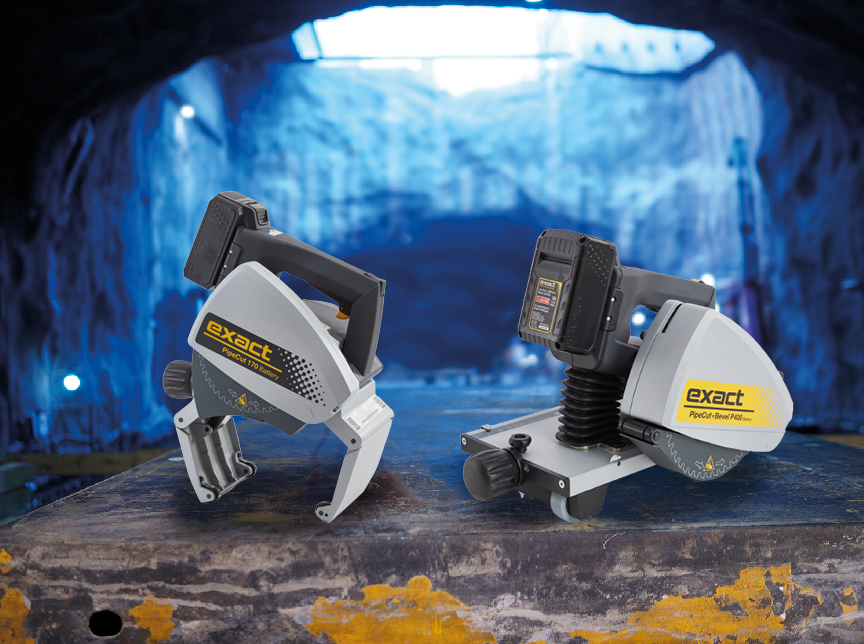
Professional pipe cutting requires precision, speed, and safety. Traditional methods such as angle grinders and manual cutting tools often fall short when it comes to achieving clean, accurate cuts while maintaining workplace safety. Understanding how pipe saws work can revolutionise your approach to industrial pipe cutting, delivering superior results in significantly less time. Explore professional pipe cutting solutions that transform how contractors and industrial professionals tackle pipe cutting challenges.
Modern pipe cutting techniques have evolved beyond conventional tools, offering enhanced precision and efficiency. This comprehensive guide examines the mechanics, operation, and benefits of pipe saws, providing practical insights for professionals seeking to improve their pipe cutting processes.
What is a pipe saw, and how does it differ from traditional cutting methods?
A pipe saw is a specialised cutting tool designed specifically to make precise, clean cuts through various pipe materials. Unlike traditional cutting methods, pipe saws use a rotational cutting mechanism that travels around the pipe’s circumference, delivering consistent results across the entire cut surface.
Traditional cutting methods present several limitations. Angle grinders create sparks and heat, potentially causing fire hazards in sensitive environments. Manual cutting tools require significant physical effort and often produce uneven cuts that require additional finishing work. Reciprocating saws can cause vibration and produce rough edges that require extensive preparation before pipe joining.
Pipe saws eliminate these challenges through cold-cutting technology. This process produces no sparks or excessive heat, making it suitable for use in confined spaces or around flammable materials. The controlled cutting action delivers smooth, straight cuts that are immediately ready for joining, eliminating the need for additional finishing procedures.
The speed advantage is substantial. Professional pipe saws can deliver cutting speeds up to 10 times faster than traditional methods while maintaining superior cut quality. This efficiency translates directly into reduced project timelines and lower labour costs for contractors and industrial users.
Core components and cutting mechanism of pipe saws
Understanding the pipe saw mechanism begins with examining its essential components. The motor provides the rotational power, typically operating at controlled speeds optimised for different pipe materials. Variable speed control allows operators to adjust cutting parameters based on material hardness and wall thickness.
The cutting head houses the blade system and incorporates the feed mechanism that advances the blade through the pipe material. This component maintains consistent cutting pressure and speed, ensuring uniform cut quality throughout the entire circumference. The precision-engineered feed system prevents blade binding and reduces operator fatigue.
The clamping mechanism secures the pipe saw to the workpiece, providing stability during the cutting process. Professional-grade clamps accommodate various pipe diameters and can be adjusted quickly for different pipe sizes. This secure mounting system ensures accurate cuts and enhances operator safety by preventing tool movement during operation.
The rotational cutting process involves the blade rotating around the pipe’s exterior while gradually penetrating the material. The controlled feed rate ensures optimal cutting performance while extending blade life. This mechanism produces consistent chip removal and maintains cutting efficiency across different pipe materials and wall thicknesses.
Step-by-step pipe cutting process with professional techniques
Proper pipe preparation forms the foundation of successful cutting operations. Clean the pipe surface to remove dirt, grease, or protective coatings that might interfere with the cutting process. Mark the cutting location clearly, and ensure adequate clearance around the cutting area for tool operation and operator access.
Machine positioning requires careful attention to alignment and stability. Position the pipe cutting tool perpendicular to the pipe axis to ensure square cuts. Verify that the clamping mechanism engages securely with the pipe surface and that the cutting head has sufficient clearance to complete a full rotation without obstruction.
Cutting parameter selection depends on the pipe material and wall thickness. Consult the manufacturer’s guidelines for recommended cutting speeds and feed rates. Harder materials typically require slower cutting speeds to maintain blade life and cut quality, while softer materials can accommodate higher speeds for increased productivity.
The execution process involves several critical steps:
- Engage the clamping mechanism and verify secure attachment.
- Start the motor and allow it to reach operating speed.
- Gradually engage the cutting head with the pipe surface.
- Maintain consistent feed pressure throughout the cut.
- Complete a full rotation to ensure complete separation.
- Disengage the cutting head and remove the tool.
Post-cutting procedures include inspecting the cut surface for quality and removing any minor burrs, if present. Professional pipe saws typically produce cuts that require minimal finishing, but a quick inspection ensures optimal results for pipe-joining operations.
Pipe cutting blade types and material compatibility
Different pipe cutting blade configurations optimise performance for specific materials. Carbide-tipped blades excel at cutting steel and stainless steel pipes, delivering extended blade life and consistent cut quality. These blades maintain sharp cutting edges longer and resist wear from abrasive materials.
Plastic pipe applications benefit from specially designed blades with modified tooth geometry. These blades prevent material melting and chipping while producing smooth cuts through PE, PP, PVC, and other common plastic pipe materials. The blade design accommodates the different cutting characteristics of thermoplastic materials.
Multi-material compatibility extends to copper, aluminium, and cast iron pipes. Each material requires specific cutting parameters and blade selection to achieve optimal results. Copper pipes benefit from fine-tooth blades that prevent work hardening, while cast iron requires robust blade construction to handle the material’s brittleness.
Blade selection criteria include material hardness, wall thickness, and required cut quality. Thicker-walled pipes may require slower cutting speeds and more aggressive blade designs, while thin-walled pipes benefit from fine-tooth configurations that prevent deformation during cutting.
Safety protocols and best practices for pipe saw operation
Personal protective equipment requirements include safety glasses, work gloves, and appropriate clothing. Avoid loose clothing or jewellery that might interfere with rotating machinery. Ensure adequate lighting in the work area, and maintain clear escape routes in case of emergency.
Workspace preparation involves securing the pipe to prevent movement during cutting and ensuring adequate support on both sides of the cut location. Remove flammable materials from the immediate area, even though pipe saws produce no sparks. Verify that electrical connections are secure and that extension cords are rated for the tool’s power requirements.
Machine inspection protocols should be performed before each use. Check blade condition for wear, damage, and proper mounting. Verify that all guards and safety devices function correctly. Inspect the clamping mechanism for proper operation, and ensure that all adjustment mechanisms operate smoothly.
The spark-free cutting benefits of professional pipe saws eliminate fire hazards associated with traditional cutting methods. This safety advantage is particularly valuable in confined spaces, around flammable materials, or in environments where hot-work permits are difficult to obtain. Cold-cutting technology maintains material properties and prevents heat-affected zones that can compromise pipe integrity.
How Exact Tools helps professionals with pipe cutting
We have specialised in revolutionary pipe cutting and finishing solutions since 1993, developing innovative technology that addresses real-world challenges faced by professionals in construction, plumbing, and industrial sectors. Our comprehensive approach combines cutting-edge engineering with practical design to deliver tools that enhance productivity while maintaining the highest safety standards.
Our flagship PipeCut series represents more than two decades of expertise in pipe cutting technology. These award-winning machines deliver cutting speeds up to 10 times faster than traditional methods while maintaining exceptional precision. The lightweight, portable design enables easy on-site operation without compromising performance or safety.
Featured Professional Pipe Cutting Solutions
| Model | Pipe Materials | Diameter Range | Key Features |
|---|---|---|---|
| PipeCut P400 | PE, PP, PVC, plastic pipes | 50-400 mm | Cut and bevel in one process, 15° bevel capability |
| PipeBevel 220E | Steel, stainless steel | 25-220 mm | Portable beveller, multiple bevel angles, spark-free |
| PipeBevel 360E | Steel, stainless steel | 110-360 mm | Heavy-duty bevelling, consistent results, easy setup |
Our commitment to quality and innovation is demonstrated through multiple prestigious recognitions, including Red Dot Design Awards and GOOD DESIGN Awards. We maintain ISO 9001, ISO 14001, and ISO 45001 certifications, ensuring consistent quality management, environmental responsibility, and occupational safety standards across all operations.
Professional contractors worldwide rely on our solutions for their superior performance characteristics. Our pipe cutting technology offers 85% lower power consumption than angle grinders while eliminating fire hazards through cold-cutting processes. This combination of efficiency and safety makes our tools ideal for demanding professional applications.
Discover our complete range of professional pipe cutting solutions designed to meet the diverse needs of modern industrial applications. Contact our technical specialists to discuss how our innovative pipe cutting technology can enhance your project efficiency and safety standards.