

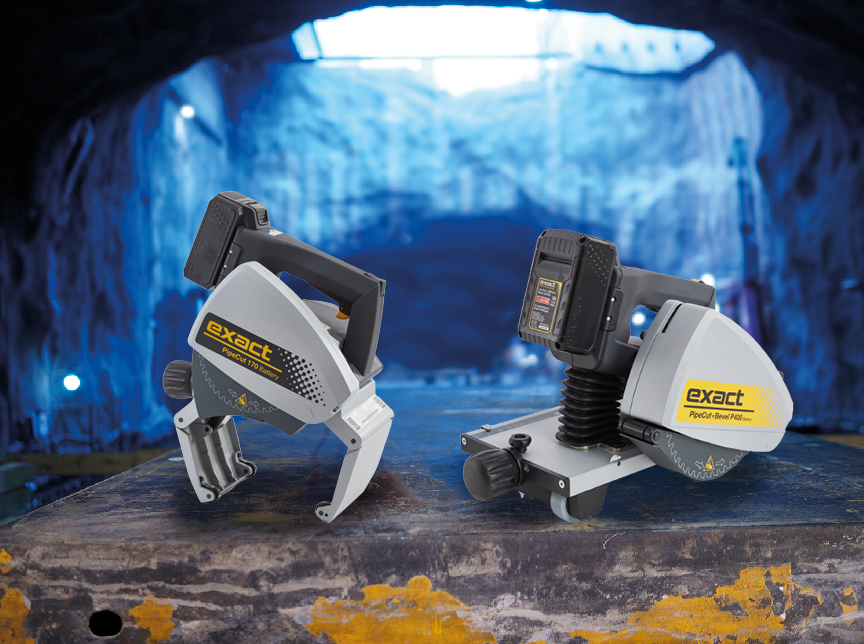
Modern pipe-cutting technology significantly reduces the need for skilled labor through automated systems, precision engineering, and user-friendly interfaces that allow operators with minimal training to achieve professional-quality results. Advanced pipe-cutting tools eliminate complex manual techniques, reduce setup time, and deliver consistent cuts across a range of materials. This transformation enables construction and industrial projects to complete pipe-installation tasks more efficiently while relying less on highly specialized craftspeople.
The shift toward automated cutting technology has revolutionized workforce requirements in pipe-installation projects. Traditional pipe-cutting methods required extensive training, years of experience, and specialized knowledge of different materials and cutting techniques. Explore our comprehensive range of pipe-cutting solutions to see how modern technology simplifies these complex processes.
What makes pipe cutting require less skilled labor than traditional methods?
Modern pipe-cutting technology reduces skilled-labor requirements by automating complex processes through precision engineering, intuitive controls, and built-in safety features that eliminate the technical expertise traditionally needed for accurate cuts. These systems provide consistent results regardless of the operator’s experience level, making professional-quality pipe cutting accessible to workers with basic training.
Traditional pipe-cutting methods required operators to master multiple techniques for different materials, understand proper angles and cutting speeds, and develop the physical skills necessary for precise manual cuts. Modern automated systems eliminate these challenges by incorporating preprogrammed settings for various pipe materials and sizes. The technology automatically manages critical variables such as cutting speed, pressure, and blade positioning.
User-friendly interfaces have transformed the learning curve for pipe-cutting operations. Contemporary cutting systems feature intuitive control panels with clear visual indicators, simple button-based operation, and automated setup procedures. These design improvements mean operators can learn basic cutting operations in hours rather than months, dramatically reducing training time and costs.
The precision engineering in modern pipe-cutting tools ensures consistent results across different operators. Automated alignment systems, built-in measurement guides, and standardized cutting procedures eliminate the variability that comes with manual techniques. This consistency means less experienced workers can achieve the same quality results as veteran craftspeople.
How do automated pipe cutting tools change workforce requirements?
Automated pipe-cutting systems fundamentally alter workforce requirements by replacing the need for highly skilled technicians with operators who can learn standardized procedures quickly, while built-in safety features and consistent performance reduce dependence on specialized expertise and years of hands-on experience.
The transformation in workforce requirements centers on the shift from skill-based to procedure-based operations. Traditional pipe cutting required workers to develop an intuitive understanding of material properties, cutting techniques, and quality assessment through extensive experience. Automated systems convert this knowledge into programmed functions that any trained operator can use.
Safety features integrated into modern cutting systems reduce the expertise needed for hazard management. Cold-cutting processes eliminate fire risks, automatic shutoff systems prevent equipment damage, and ergonomic designs reduce physical strain. These improvements mean operators need less training in safety protocols and risk assessment.
Simplified operating procedures enable faster workforce deployment across projects. Instead of requiring specialized pipe-cutting professionals at each job site, construction teams can train existing workers to operate automated cutting equipment. This flexibility improves project scheduling and reduces labor costs by eliminating the need to coordinate multiple specialist trades.
Quality control becomes less dependent on individual operator skill when automated systems provide consistent cutting parameters. Built-in measurement systems, standardized cutting speeds, and automated material detection ensure uniform results regardless of who operates the equipment. This consistency reduces the need for specialized quality-inspection expertise and rework.
What are the main labor cost benefits of modern pipe cutting technology?
Modern pipe-cutting technology delivers significant labor-cost benefits by reducing project completion time, minimizing rework through consistent quality, decreasing training requirements, and enabling less experienced workers to achieve professional results that previously required specialized craftspeople with years of experience.
Project time reduction represents the most immediate cost benefit. Automated cutting systems operate significantly faster than manual methods while maintaining precision. This speed improvement means fewer labor hours per project, reduced overall project duration, and lower total labor costs. The efficiency gains compound across large projects where multiple cuts are required.
Training cost reduction provides substantial long-term savings. Traditional pipe cutting required extensive apprenticeships or specialized courses lasting months or years. Modern automated systems enable basic operational competence within days or weeks. This dramatic reduction in training time translates to:
- Lower training program costs
- Reduced time before new workers become productive
- Decreased dependence on specialized training facilities
- Simplified knowledge transfer between projects
Eliminating rework through consistent, high-quality cuts reduces hidden labor costs. Manual cutting methods often resulted in imperfect cuts requiring additional finishing work or complete recutting. Automated precision ensures cuts meet specifications consistently, eliminating time spent on corrections and reducing material waste.
Workforce flexibility allows companies to deploy workers more efficiently across different project phases. Instead of maintaining separate teams of pipe-cutting specialists, companies can cross-train workers to handle multiple tasks, including pipe cutting when needed. This flexibility reduces idle time and improves overall labor utilization.
Why do construction projects benefit from simplified pipe cutting processes?
Construction projects benefit from simplified pipe cutting through improved timelines, reduced dependence on specialized craftspeople, and enhanced workforce-deployment flexibility that allows project managers to allocate resources more efficiently across different construction phases while maintaining quality standards.
Timeline improvements result from both faster cutting operations and simplified project coordination. When pipe cutting becomes a standardized process that multiple team members can perform, projects face fewer scheduling bottlenecks. Work can continue even when specialized pipe-cutting contractors are unavailable, preventing costly delays.
Reduced dependence on specialized craftspeople addresses one of construction’s persistent challenges: skilled-labor availability. Traditional pipe cutting required booking specialized contractors well in advance, often creating scheduling constraints. Simplified cutting processes allow general construction workers to handle pipe-cutting tasks, improving schedule flexibility.
Enhanced workforce deployment provides project managers with greater operational flexibility. Workers can transition between tasks more easily when pipe cutting does not require specialized expertise. This adaptability is particularly valuable in:
- Remote construction sites where specialist availability is limited
- Fast-track projects requiring rapid workforce reallocation
- Maintenance and repair work requiring an immediate response
- Projects with varying daily pipe-cutting requirements
Quality consistency across different project phases ensures uniform installation standards regardless of which team members perform the cutting. This consistency reduces quality-control requirements and minimizes the risk of installation problems that could delay project completion.
Cost predictability improves when pipe cutting becomes a standardized process with known time and resource requirements. Project managers can estimate cutting costs more accurately and reduce contingency allowances traditionally needed to account for skilled-labor variability.
How does Exact Tools help reduce skilled labor requirements in pipe cutting?
We help reduce skilled-labor requirements through innovative pipe-cutting solutions featuring user-friendly designs, automated cutting processes, and intuitive interfaces that enable operators to achieve professional results with minimal training while maintaining the precision and quality that traditionally required years of specialized experience.
Our pipe-cutting technology transforms complex cutting operations into straightforward procedures that workers can master quickly. The systems incorporate automated features that manage critical variables such as cutting speed, blade positioning, and material-specific parameters. This automation eliminates the need for operators to develop an intuitive understanding of different materials and cutting techniques through years of experience.
User-friendly design features across our product range ensure consistent operation regardless of the operator’s experience level. Similar interfaces across different machines mean workers trained on one system can adapt to others quickly. This standardization reduces training complexity and enables flexible workforce deployment across various cutting applications.
Featured Exact Tools Solutions
| Product | Pipe Size Range | Materials | Key Feature |
|---|---|---|---|
| PipeCut P400 | 50 mm–400 mm | PE, PP, PVC plastics | Cut and bevel in one process |
| PipeBevel 220E | 25 mm–220 mm | Steel, stainless steel | Built-in stopper for consistent bevels |
| PipeBevel 360E | 110 mm–360 mm | Steel, stainless steel | Fast setup for large-diameter pipes |
Cold-cutting technology eliminates fire hazards and reduces safety-training requirements. Traditional cutting methods that require flame-based or spark-producing tools demand extensive safety protocols and specialized safety training. Our spark-free cutting systems simplify safety procedures and reduce the expertise needed for hazard management.
Consistent cutting quality across our systems means less experienced operators can achieve the same professional results as veteran craftspeople. Built-in measurement guides, automated alignment systems, and standardized procedures eliminate the variability that typically comes with manual cutting techniques. This consistency reduces quality-control requirements and minimizes rework.
Our comprehensive approach includes not only advanced cutting technology but also simplified maintenance procedures and readily available support. This end-to-end approach ensures that reduced skilled-labor requirements extend beyond the cutting operation to include equipment maintenance and troubleshooting.
Ready to experience how our innovative pipe-cutting solutions can transform your workforce efficiency? Discover our complete range of professional pipe-cutting tools designed to deliver professional results with minimal training requirements. For personalized guidance on selecting the right solution for your specific applications, contact our technical experts, who can recommend the optimal cutting system for your workforce and project requirements.