

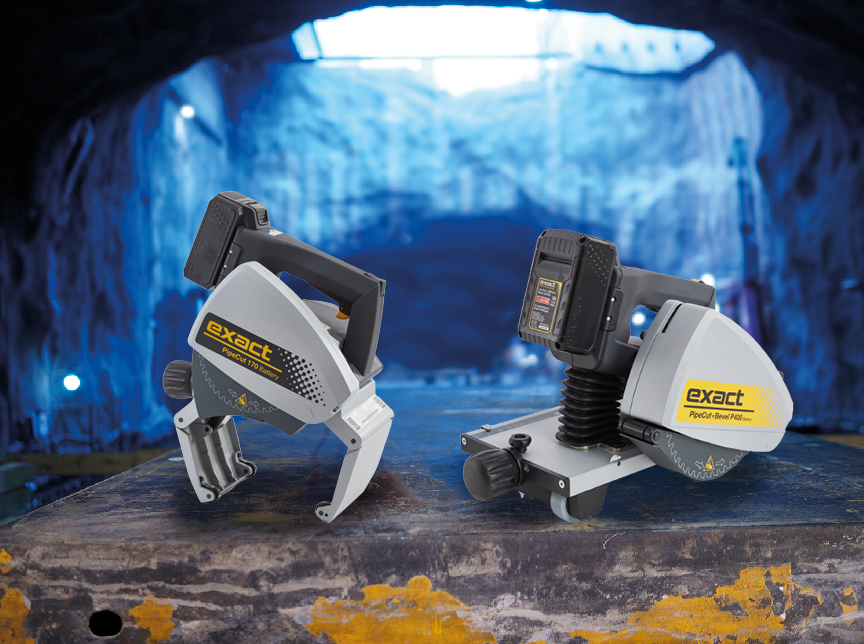
Pipe sawing and flame cutting represent two distinct approaches to industrial pipe cutting. Pipe sawing uses cold, mechanical cutting processes, while flame cutting employs thermal methods. Pipe sawing operates using rotating saw blades that mechanically cut through materials without generating heat, whereas flame cutting uses high-temperature flames to melt through metal pipes. Understanding these fundamental differences helps professionals choose the most appropriate cutting method for their specific applications and safety requirements. Explore professional pipe sawing solutions that deliver precision cutting across various pipe materials and sizes.
What is the fundamental difference between pipe sawing and flame cutting?
Pipe sawing is a cold cutting process that uses mechanical action via rotating saw blades, while flame cutting is a thermal process that melts through materials using high-temperature flames. The temperature difference between these methods is substantial: pipe sawing maintains ambient temperatures throughout the cutting process, whereas flame cutting generates temperatures exceeding 3,000°C at the cutting point.
The mechanical nature of pipe sawing means the cutting action occurs through the physical removal of material by the saw blade’s teeth. This process maintains the structural integrity of the surrounding material because no heat is introduced. Modern pipe saws can cut steel, plastic, copper, aluminium, cast iron, stainless steel, and multilayer pipes with consistent precision.
Flame cutting, conversely, relies on the oxidation and melting of metal through the application of intense heat. This thermal process fundamentally alters the material properties at the cut edge, creating what professionals call a heat-affected zone. The interaction between the cutting flame and the pipe material results in metallurgical changes that can affect subsequent welding or joining operations.
Which pipe cutting method offers better safety for industrial workers?
Pipe sawing provides superior safety for industrial workers by eliminating fire hazards, spark generation, and heat-related risks associated with thermal cutting methods. Cold cutting processes produce no sparks, flames, or hot surfaces, significantly reducing the potential for workplace accidents and eliminating fire hazards in sensitive environments.
The safety advantages of pipe sawing include:
- No spark generation, eliminating ignition risks near flammable materials
- No heat-affected zones that could cause burns or weaken materials
- Reduced ventilation requirements compared with flame cutting operations
- Lower personal protective equipment requirements
- Elimination of gas handling and storage safety concerns
Flame cutting presents several safety challenges that require extensive precautions. Workers must manage high-pressure gas systems, maintain proper ventilation to remove toxic fumes, and implement fire-prevention measures. The process generates intense heat, sparks, and potentially harmful gases, requiring comprehensive safety protocols and specialised protective equipment.
Professional pipe sawing equipment often incorporates additional safety features such as blade guards, emergency stops, and ergonomic designs that reduce operator fatigue and injury risk during extended cutting operations.
How do cutting quality and precision compare between pipe sawing and flame cutting?
Pipe sawing delivers superior cutting quality and precision with smooth, straight cuts that require no additional finishing before joining or welding. The mechanical cutting action produces clean edges with minimal material distortion and no heat-affected zones that could compromise joint integrity or require secondary machining operations.
Quality comparison factors clearly favour pipe sawing:
- Edge smoothness: Pipe sawing creates clean, burr-free cuts ready for immediate joining
- Dimensional accuracy: Mechanical cutting maintains precise measurements throughout the cut
- Material distortion: Cold cutting eliminates thermal warping and dimensional changes
- Consistency: Automated pipe saws deliver repeatable results across multiple cuts
Flame cutting typically requires post-cutting cleanup and finishing operations. The thermal process can create irregular edge surfaces, slag formation, and heat-induced distortion that affects pipe roundness and dimensional accuracy. The heat-affected zone may need to be removed through grinding or machining before welding operations can begin.
Modern pipe sawing technology can achieve cutting speeds up to 10 times faster than traditional methods while maintaining superior edge quality. This combination of speed and precision makes pipe sawing particularly valuable for high-volume applications requiring consistent joint-preparation quality.
What are the cost implications of choosing pipe sawing versus flame cutting?
Pipe sawing offers lower long-term operating costs despite potentially higher initial equipment investment, primarily through reduced energy consumption, the elimination of consumable gases, and decreased labour requirements for post-cutting finishing operations. Professional pipe saws can consume up to 85% less energy than alternative cutting methods.
Cost analysis reveals several economic advantages of pipe sawing:
- Energy efficiency: Electric pipe saws consume significantly less power than gas-powered flame cutting equipment
- Consumable costs: Saw blades typically last longer than cutting gases and related consumables
- Labour savings: Clean cuts eliminate finishing work and reduce installation time
- Maintenance: Mechanical systems typically require less frequent servicing than gas cutting equipment
Flame cutting involves ongoing costs for oxygen, acetylene, or other cutting gases, plus regular replacement of cutting tips and nozzles. The need for post-cutting cleanup and finishing operations adds labour costs and extends project timelines, affecting overall project economics.
The productivity advantages of pipe sawing become particularly significant in large-scale projects where cutting speed and quality directly influence completion times and labour costs. Contact our specialists to discuss cost-effective pipe cutting solutions for your specific applications.
Which materials and pipe sizes work best with each cutting method?
Pipe sawing excels across diverse materials including steel, plastic, copper, aluminium, cast iron, stainless steel, and multilayer pipe systems, with effective performance on pipe diameters from 50 mm to 400 mm, depending on equipment specifications. Modern pipe sawing technology handles wall thicknesses up to 25 mm while maintaining cutting precision and speed advantages.
Material compatibility for pipe sawing includes:
- Ferrous metals: All steel grades and cast iron varieties
- Non-ferrous metals: Copper, aluminium, and specialty alloys
- Plastic systems: PE, PP, PVC, and composite materials
- Multilayer pipes: Complex composite pipe systems
Flame cutting limitations become apparent with non-ferrous metals and plastic materials that do not oxidise properly or that melt rather than cut cleanly. The process works effectively on carbon steels and some stainless steel grades but struggles with aluminium, copper, and plastic pipe systems, which represent significant portions of modern piping installations.
Pipe size capabilities vary significantly between methods. Professional pipe sawing equipment can handle specific diameter ranges with precision, while flame cutting’s theoretical capacity depends on gas pressure and cutting tip selection rather than mechanical constraints.
Featured Pipe Cutting Solutions
| Model | Pipe Diameter Range | Materials | Key Features |
|---|---|---|---|
| PipeCut P400 | 50-400 mm (2″-16″) | PE, PP, PVC plastics | Cut and bevel in one process, 15-degree bevel capability |
| PipeBevel 220E | 25-220 mm (0.98″-8.6″) | Steel, stainless steel | Portable beveller, multiple bevel angles, spark-free operation |
| PipeBevel 360E | 110-360 mm (4.33″-14.17″) | Steel, stainless steel | Large pipe bevelling, consistent results, fast setup |
How does Exact Tools help professionals choose the right pipe cutting solution?
We provide comprehensive pipe cutting expertise backed by over twenty years of innovation in cold cutting technology, helping professionals select optimal cutting methods based on specific project requirements, material types, and safety considerations. Our ISO 9001, ISO 14001, and ISO 45001 certifications demonstrate our commitment to quality management, environmental responsibility, and occupational safety standards.
Our approach to supporting professional pipe cutting decisions includes:
- Technical consultation on material compatibility and cutting requirements
- Safety assessment and risk reduction through cold cutting technology
- Cost-benefit analysis comparing cutting methods for specific applications
- Training and support for optimal equipment operation and maintenance
- A comprehensive product range covering diverse pipe sizes and materials
We specialise in revolutionary pipe cutting and finishing solutions that eliminate the safety hazards and quality limitations associated with thermal cutting methods. Our PipeCut series delivers cutting speeds up to 10 times faster than traditional methods while maintaining superior edge quality and eliminating heat-affected zones that compromise joint integrity.
The award-winning design of our pipe cutting equipment, recognised with Red Dot Design Awards and GOOD DESIGN Awards, reflects our commitment to combining cutting-edge technology with practical usability for professional contractors and industrial users worldwide. Discover our complete range of pipe cutting solutions designed to meet the demanding requirements of modern industrial applications.