

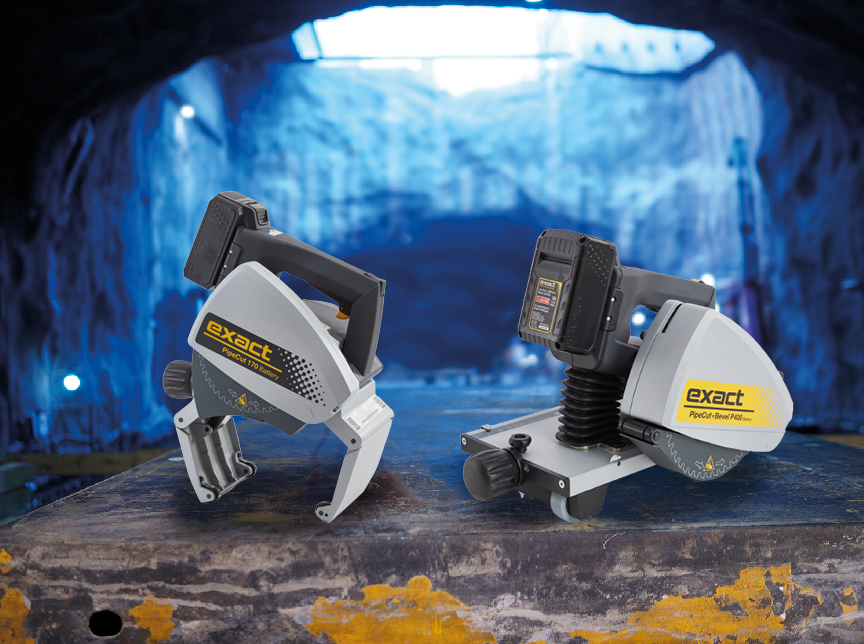
Pipe sawing significantly improves weld quality by producing clean, perpendicular cuts that create optimal conditions for strong weld joints. Precision cutting eliminates contamination risks, ensures proper joint fit-up, and reduces preparation time compared with traditional methods. The quality of your pipe cut directly determines the strength and reliability of your welded connections.
Explore our precision pipe-cutting solutions to discover how professional pipe saws can transform your welding preparation process.
What makes a clean pipe cut essential for quality welding?
Clean pipe cuts lay the foundation for successful welding by providing smooth, perpendicular surfaces that allow proper weld penetration and joint formation. When pipes are cut cleanly—without burrs, rough edges, or contamination—welders can achieve consistent penetration depth and avoid weak spots that compromise joint integrity.
Surface preparation requirements are minimal with clean cuts because less grinding, filing, or cleaning is needed before welding begins. Rough or contaminated cut surfaces can trap moisture, dirt, and oxidation, which can cause porosity, inclusions, and other weld defects. These contaminants prevent proper fusion between the base metal and the filler material.
The relationship between cutting quality and weld penetration is direct and measurable. Perpendicular cuts ensure even heat distribution during welding, allowing consistent penetration around the entire joint circumference. Angled or rough cuts create gaps that require more filler material and often result in incomplete fusion or burn-through.
Professional welders understand that pipe joint quality depends heavily on preparation. Clean cuts reduce the risk of hydrogen cracking, improve mechanical properties, and help produce joints that consistently meet code requirements. The time saved on preparation often exceeds the initial investment in quality cutting equipment.
How does pipe sawing compare to traditional cutting methods for weld preparation?
Pipe sawing produces superior welding surfaces compared with angle grinders and torch cutting because it creates smooth, square cuts without heat-affected zones or rough surfaces. Cold-cutting processes maintain the pipe material’s original properties while eliminating fire hazards and significantly reducing preparation time.
Traditional methods create specific challenges for weld preparation:
- Angle grinders produce rough, often angled cuts that require extensive grinding and filing before welding
- Torch cutting creates heat-affected zones that alter material properties and leave oxidised surfaces
- Reciprocating saws cause vibration and often result in rough, uneven cuts that require significant cleanup
Pipe saws eliminate these problems by using controlled cutting speeds and sharp blades that slice through materials without generating excessive heat or vibration. The result is a clean, perpendicular cut that’s ready for welding immediately after cutting, reducing overall project time by eliminating most surface preparation steps.
The surface finish from pipe sawing can approach a machined finish, creating optimal conditions for root-pass penetration and consistent joint formation. This precision is particularly important for critical applications where weld quality directly affects safety and performance.
What role does pipe cutting blade selection play in weld quality?
Proper blade selection determines cut quality, surface finish, and material compatibility when preparing pipes for welding. Different materials require specific blade types to achieve smooth cuts without work hardening, heat generation, or surface contamination that affects weld quality.
Blade types for common pipe materials include:
- TCT (tungsten carbide-tipped) blades for steel and stainless steel pipes
- HSS (high-speed steel) blades for softer metals such as copper and aluminium
- Diamond blades for cast iron and extremely hard materials
- Specialised plastic blades for PVC, PE, and multilayer pipes
Blade condition directly affects cut quality and subsequent weld preparation requirements. Sharp blades create clean cuts with minimal burr formation, while dull blades tear material fibres, create rough surfaces, and may work-harden the cut area. Work-hardened surfaces are difficult to weld properly and can crack during cooling.
Replacement indicators include increased cutting resistance, visible blade wear, rough cut surfaces, and excessive vibration during cutting. Regular blade inspection and timely replacement ensure consistent weld quality and reduce preparation time between cutting and welding operations.
How do you achieve proper pipe beveling for optimal weld joints?
Proper pipe beveling creates the correct groove geometry for weld penetration and joint strength by removing material at specific angles that allow filler metal access to the root of the joint. Pipe beveling angles typically range from 30° to 45°, depending on pipe wall thickness and welding process requirements.
Beveling techniques vary based on pipe size and material:
- Machine beveling provides consistent angles and smooth surfaces for critical applications
- Portable beveling tools offer flexibility for on-site work while maintaining precision
- Integrated cut-and-bevel machines complete both operations simultaneously for efficiency
Angle requirements depend on the welding process and joint design. TIG welding often requires narrower bevels (30–37.5°) for precise control, while stick welding may use wider angles (45°) for easier access. Wall thickness also influences bevel geometry, with thicker walls requiring wider preparation angles.
Precise beveling improves weld penetration by creating consistent root openings and proper groove geometry. This ensures complete fusion throughout the joint thickness and eliminates common defects such as lack of penetration or inadequate joint preparation that weaken the final weld.
Professional Pipe Cutting and Beveling Solutions
| Product | Pipe Size Range | Materials | Key Features |
|---|---|---|---|
| PipeBevel 220E | 25-220 mm (0.98″-8.6″) | Steel, stainless steel | Portable, multiple bevel angles (30°, 37.5°, 45°), no sparks |
| PipeBevel 360E | 110-360 mm (4.33″-14.17″) | Steel, stainless steel | Larger capacity, consistent results, built-in stopper feature |
| PipeCut P400 | 50-400 mm (2″-16″) | PE, PP, PVC, plastic | Cut and bevel in one process, 15° automatic bevel |
How does Exact Tools help professionals improve weld quality?
We specialise in developing precision cutting solutions that directly improve welding preparation and final joint quality. Our pipe cutting and beveling machines eliminate common preparation problems that compromise weld integrity while significantly reducing the time between cutting and welding operations.
Our comprehensive approach to weld quality improvement includes:
- Cold-cutting technology that preserves material properties and eliminates heat-affected zones
- Precision beveling systems that create consistent groove geometry for optimal penetration
- Portable solutions that bring professional-quality preparation to any jobsite location
- Multi-material capability covering steel, stainless steel, cast iron, and plastic pipes
Our machines produce cuts that are immediately ready for welding, eliminating most surface preparation steps and reducing contamination risks. The consistent quality ensures repeatable results across different operators and job conditions, which is essential for maintaining weld quality standards in professional applications.
Professional contractors choose our solutions because they understand that superior weld quality begins with superior preparation. Our cutting and beveling systems deliver the precision and consistency needed for critical welding applications while improving productivity and safety on every project.
Discover our complete range of pipe cutting solutions or contact our team to discuss your specific welding preparation requirements and find the right equipment for your applications.