

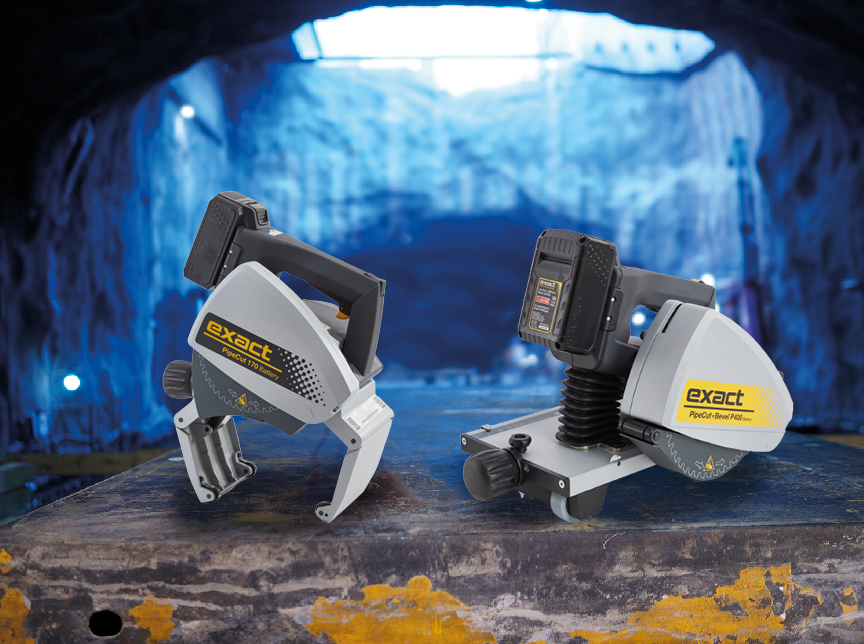
Proper pipe saw cleaning is crucial for maintaining the precision and longevity of your industrial cutting equipment. Without regular maintenance, metal shavings, debris, and residue can accumulate in critical components, leading to reduced cutting accuracy and premature tool failure. Professional contractors understand that consistent pipe saw maintenance directly impacts both tool performance and project outcomes. This comprehensive guide covers essential cleaning supplies, step-by-step procedures, common mistakes to avoid, and how proper maintenance practices can significantly extend your equipment’s operational lifespan.
Whether you’re cutting steel, plastic, copper, or multilayer pipes, understanding the fundamentals of pipe-cutting blade care ensures your tools deliver reliable performance across demanding applications. Discover professional pipe-cutting solutions that combine efficiency with durability for your industrial projects.
Why proper pipe saw cleaning extends tool lifespan
Regular pipe saw cleaning prevents premature wear by removing abrasive particles that accumulate during cutting operations. Metal filings, plastic debris, and other contaminants act like sandpaper against moving components, gradually wearing down precision surfaces and reducing cutting accuracy. When these particles build up around the blade-mounting area, they create imbalances that strain the motor and increase vibration levels.
Maintaining cutting precision depends heavily on keeping the blade and cutting chamber free of debris. Accumulated material can cause the blade to bind or deflect during operation, resulting in uneven cuts that require additional finishing work. Clean cutting surfaces ensure smooth material flow and consistent blade engagement, which is particularly important when working with materials like stainless steel or multilayer pipes that demand precise cuts.
Tool maintenance best practices directly impact repair costs and operational efficiency. A well-maintained pipe saw typically operates at peak performance for significantly longer periods than neglected equipment. Clean components run cooler, experience less friction, and maintain proper tolerances, reducing the likelihood of costly breakdowns during critical project phases.
The relationship between cleanliness and blade sharpness becomes evident when examining cutting performance over time. Clean blades maintain their cutting edges longer because debris doesn’t interfere with the cutting action or create heat buildup that can dull cutting surfaces. Motor efficiency also improves when cooling vents and internal components remain free of dust and debris, allowing proper airflow and heat dissipation.
Essential cleaning supplies for pipe saw maintenance
Effective pipe saw cleaning requires specific materials designed for industrial tool maintenance. Quality cleaning solvents remove stubborn residues without damaging sensitive components or protective coatings. Degreasing agents work particularly well for removing cutting oils and metal particles that accumulate during steel-cutting operations.
Your cleaning toolkit should include various brush types for different applications. Wire brushes effectively remove metal shavings from blade teeth and cutting chambers, while softer bristle brushes work better for cleaning motor housings and electrical components. Small detail brushes reach tight spaces around blade guards and adjustment mechanisms.
Safety equipment forms a critical part of your cleaning supplies. Protective gloves prevent cuts from sharp blade edges and protect hands from cleaning chemicals. Safety glasses shield eyes from flying debris during brush cleaning, while dust masks prevent inhalation of fine particles released during the cleaning process.
Specialized tools enhance cleaning effectiveness for different components. Compressed air removes loose debris from hard-to-reach areas, while cotton swabs allow precise cleaning around delicate adjustment mechanisms. Clean rags or lint-free cloths provide final wiping and help apply protective lubricants to moving parts after cleaning.
Step-by-step pipe saw cleaning process
Safety preparations begin with disconnecting power and allowing the tool to cool completely. Remove any remaining pipe material from the cutting area and ensure adequate ventilation in your workspace. Gather all cleaning supplies and safety equipment before beginning the disassembly process.
Disassembly guidelines vary by model but generally involve removing the blade guard, loosening the blade-mounting hardware, and carefully extracting the cutting blade. Document the disassembly sequence with photos to ensure proper reassembly. Keep track of small components like washers and spacers that maintain proper blade alignment.
Cleaning techniques differ for various components based on their materials and functions. Blade cleaning requires careful attention to cutting edges while removing accumulated debris from teeth and cutting surfaces. Use appropriate brushes to clean the cutting chamber, removing all metal shavings and residue that could interfere with future operations.
Motor housing cleaning focuses on cooling vents and external surfaces without allowing moisture to penetrate electrical components. Wipe down all accessible surfaces and use compressed air to clear dust from ventilation openings. Apply appropriate lubricants to moving parts according to the manufacturer’s specifications.
Proper reassembly includes safety checks at each step. Verify blade-mounting torque specifications and ensure all guards and safety devices function correctly. Test all adjustment mechanisms and confirm proper blade alignment before returning the tool to service.
Common pipe saw cleaning mistakes to avoid
Using improper cleaning agents ranks among the most damaging mistakes in pipe saw maintenance. Harsh chemicals can corrode metal components, damage seals, and remove protective coatings that prevent rust formation. Water-based cleaners may cause electrical components to malfunction or create corrosion in areas where moisture becomes trapped.
Incorrect disassembly procedures often result in damaged components or safety hazards. Forcing stuck parts can bend adjustment mechanisms or crack housings. Failing to support heavy components during removal may cause them to fall, sustain damage, or injure the operator.
Maintenance oversights frequently lead to costly repairs that proper cleaning could have prevented. Neglecting to clean cutting chambers thoroughly allows debris buildup that eventually interferes with blade operation. Forgetting to lubricate moving parts after cleaning accelerates wear and may cause adjustment mechanisms to seize.
Warranty considerations become important when cleaning procedures don’t follow manufacturer guidelines. Using unauthorized cleaning methods or failing to maintain proper service intervals may void warranty coverage. Always consult manufacturer documentation before implementing cleaning procedures on new equipment.
How Exact Tools helps with pipe saw maintenance
We provide comprehensive maintenance support for all PipeCut series equipment through detailed cleaning guidelines and professional service options. Our maintenance documentation covers specific procedures for different pipe-cutting applications, whether you’re working with steel, plastic, copper, aluminum, cast iron, stainless steel, or multilayer pipes.
Our PipeCut series machines feature user-friendly designs that simplify maintenance procedures while maintaining professional performance standards. The lightweight, portable construction allows easy access to key components during cleaning, and our cold-cutting technology eliminates spark-related debris that complicates maintenance in traditional cutting methods.
Featured PipeCut Series Comparison
| Model | Pipe Materials | Pipe Size Range | Key Features |
|---|---|---|---|
| PipeCut P400 | PE, PP, PVC, plastic pipes | 50-400mm OD | Cut and bevel in one process, 15-degree bevel capability |
| PipeBevel 220E | Steel, stainless steel | 25-220mm OD | Multiple bevel angles (30°, 37.5°, 45°), spark-free operation |
| PipeBevel 360E | Steel, stainless steel | 110-360mm OD | Portable design, built-in stopper feature, consistent results |
Our commitment to helping customers maintain their pipe-cutting equipment properly extends beyond initial purchase support. We offer professional maintenance services and warranty considerations that protect your investment while ensuring optimal performance. Our ISO 9001, ISO 14001, and ISO 45001 certifications demonstrate our dedication to quality management and customer support.
For comprehensive maintenance support and professional guidance on keeping your pipe-cutting equipment in peak condition, contact our technical team for personalized assistance with your specific applications and maintenance requirements.