

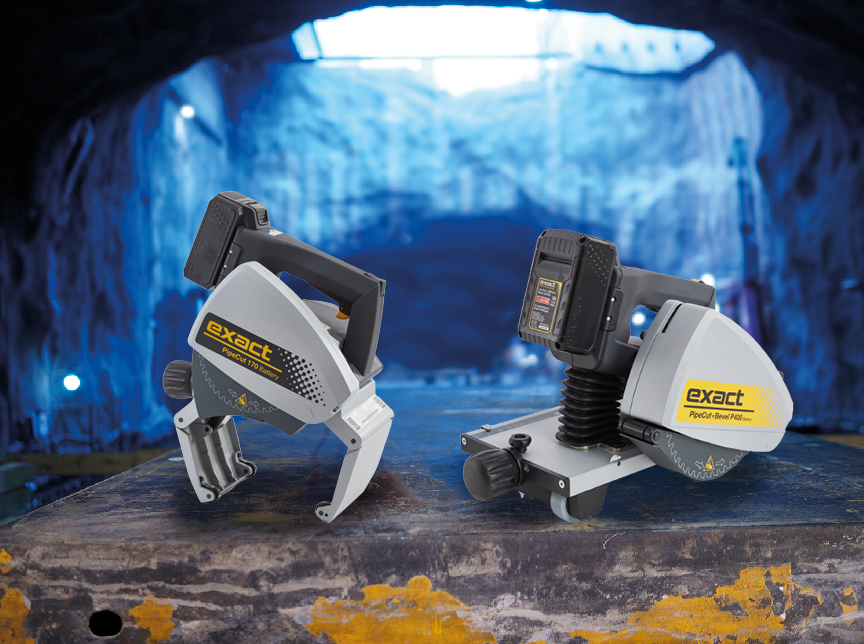
Professional pipe-cutting equipment requires systematic maintenance to deliver consistent performance and extend its service life. Proper pipe saw maintenance directly affects cut quality, blade longevity, and workplace safety across construction and plumbing applications. Understanding maintenance fundamentals prevents costly downtime and ensures your cutting tools remain reliable when precision matters most.
This comprehensive guide covers essential maintenance practices, from daily blade care to professional servicing schedules. Whether you’re managing steel, plastic, or multi-material pipe-cutting operations, these proven techniques will help you maintain peak equipment performance. Explore professional pipe-cutting solutions designed for demanding industrial applications.
Essential Pipe Saw Maintenance Fundamentals
Understanding your pipe saw’s core components forms the foundation of effective maintenance. Modern pipe-cutting equipment consists of motor assemblies, blade-mounting systems, cutting-depth adjustment mechanisms, and safety guards. Each component requires specific attention to maintain optimal performance and prevent premature wear.
Regular maintenance prevents minor issues from developing into costly repairs. Preventive maintenance schedules typically reduce equipment downtime by up to 75% compared with reactive repair approaches. This proactive mindset protects your investment while ensuring consistent cut quality across various pipe materials, including steel, plastic, copper, and stainless steel.
Establishing systematic maintenance routines creates safer working environments. Clean, properly maintained equipment reduces accident risk and helps ensure compliance with workplace safety standards. Professional contractors recognise that consistent maintenance practices directly correlate with project efficiency and client satisfaction.
Daily and Weekly Pipe Cutting Blade Care
Daily blade inspection begins with a visual examination for chips, cracks, or excessive wear. Remove debris and cutting residue using appropriate cleaning solutions and soft brushes. Avoid harsh chemicals that could damage blade coatings or compromise cutting-edge integrity.
Weekly maintenance routines should include thorough blade cleaning and proper storage. Proper blade storage requires a clean, dry environment and protective covers to prevent moisture damage. Document blade usage hours to track replacement intervals effectively.
Early warning signs requiring immediate attention include:
- Visible chips or missing teeth on cutting edges
- Unusual vibration during cutting operations
- Increased cutting time for standard materials
- Rough or uneven cut surfaces
- Excessive heat generation during use
Address these indicators promptly to prevent damage to other saw components and maintain the cut quality standards expected in professional applications.
How to Replace and Adjust Pipe Saw Components
Blade replacement procedures vary by manufacturer but follow similar safety protocols. Always disconnect the power source and allow the equipment to cool completely before beginning replacement work. Use manufacturer-specified torque settings to ensure proper blade mounting and prevent operational failures.
Cutting-depth adjustment requires precise calibration to match specific pipe wall thicknesses. Incorrect settings can result in incomplete cuts or damage to internal pipe structures. Consult equipment manuals for exact adjustment procedures and measurement tolerances.
Component replacement schedules depend on usage intensity and material types. Steel-cutting applications typically require more frequent blade changes than plastic pipe operations. Maintain detailed service logs documenting replacement dates, operating hours, and performance observations.
Essential replacement components include:
- Cutting blades and mounting hardware
- Drive belts and tension assemblies
- Bearing assemblies and lubrication seals
- Safety guards and protective covers
- Electrical connections and control switches
Troubleshooting Common Pipe Cutting Problems
Poor cut quality often indicates blade wear or incorrect cutting parameters. Examine blade condition, verify proper mounting, and confirm appropriate cutting speeds for specific materials. Inconsistent results may suggest motor issues or mechanical wear requiring professional attention.
Blade-binding problems typically result from incorrect feed rates, dull cutting edges, or material movement during cutting. Pipe saw troubleshooting begins with systematically eliminating potential causes, starting with the most common issues before investigating more complex mechanical problems.
Motor performance issues may present as unusual sounds, reduced power output, or overheating. These conditions require immediate investigation to prevent permanent damage. Check electrical connections, ventilation systems, and load conditions before operating the equipment further.
Diagnostic steps for electrical faults include:
- Verify power supply voltage and stability
- Inspect cord condition and connection integrity
- Test control switch functionality
- Examine motor brush condition and seating
- Check thermal protection systems
Professional Servicing Schedules and Techniques
Comprehensive maintenance calendars should align with operational intensity and manufacturer recommendations. High-usage applications require monthly professional inspections, while moderate use may allow quarterly intervals. Document all service activities to maintain warranty coverage and track equipment performance trends.
Advanced cleaning techniques involve specialised solvents and ultrasonic cleaning for precision components. Cutting tool care extends beyond basic cleaning to include detailed inspection of wear patterns, measurement of critical dimensions, and replacement of consumable parts before failure occurs.
Lubrication procedures should follow manufacturer specifications regarding lubricant types, application points, and service intervals. Over-lubrication can attract debris and contaminate cutting areas, while insufficient lubrication accelerates wear and increases operating temperatures.
Professional repair services become necessary when:
- Motor performance degrades significantly
- Mechanical adjustments exceed specification tolerances
- Safety systems require recalibration
- Electrical components show signs of failure
- Structural damage affects operational safety
How Exact Tools Helps with Pipe Saw Maintenance
We provide comprehensive support services designed to maximise equipment performance throughout its service life. Our technical support team offers expert guidance on maintenance procedures, troubleshooting assistance, and access to genuine replacement parts. This ensures your pipe-cutting equipment maintains optimal performance standards.
Featured Pipe Cutting Solutions
| Model | Pipe Range | Materials | Key Features |
|---|---|---|---|
| PipeCut P400 | 50-400 mm | PE, PP, PVC plastics | Cut and bevel in one process; 15-degree bevel capability |
| PipeBevel 220E | 25-220 mm | Steel, stainless steel | Portable beveller; multiple bevel angles; no sparks |
| PipeBevel 360E | 110-360 mm | Steel, stainless steel | Heavy-duty bevelling; built-in stopper; consistent results |
Our maintenance resources include detailed service manuals, video tutorials, and technical documentation covering all aspects of pipe saw service procedures. We maintain an extensive parts inventory, ensuring rapid availability of genuine components when replacement becomes necessary.
Quality management systems certified to ISO 9001 standards ensure consistent support service delivery. Our global presence, with offices in Finland and the USA, provides local technical expertise while maintaining centralised quality standards. Professional contractors benefit from direct access to engineering expertise developed through more than twenty years of pipe-cutting innovation.
Systematic maintenance practices protect equipment investments while ensuring reliable performance across demanding applications. Professional pipe-cutting equipment delivers exceptional value when properly maintained according to manufacturer specifications. Contact our technical support team for personalised maintenance guidance and genuine parts availability for your specific applications.