

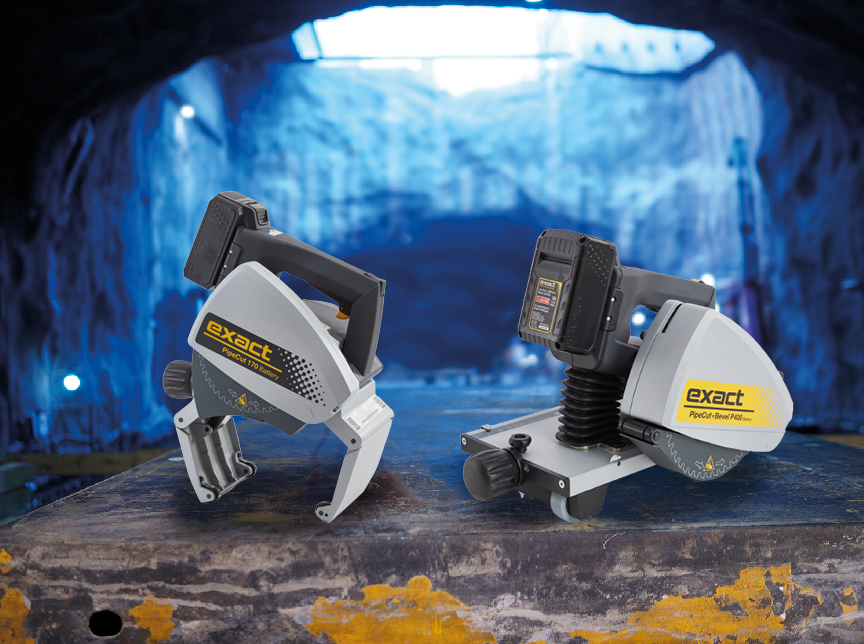
Choosing between pipe sawing and pipe grinding for weld preparation significantly affects project quality, safety, and efficiency. Traditional grinding methods generate heat, sparks, and inconsistent cuts that compromise weld integrity. Modern pipe sawing technology offers cold-cutting solutions that deliver precise, smooth finishes ready for immediate welding. Understanding these differences helps professionals make informed decisions about pipe cutting technology that improve both safety and productivity. This comparison examines the technical advantages, safety considerations, and practical benefits of each method to determine which approach best meets modern weld-prep requirements.
Why traditional pipe grinding fails modern weld prep requirements
Traditional pipe grinding creates significant challenges that compromise weld quality and project efficiency. The grinding process generates excessive heat that can alter pipe material properties, particularly the metallurgical structure near the cut zone. This heat-affected zone weakens the material and creates inconsistencies that can lead to poor weld penetration and joint failure.
Spark generation poses serious fire hazards on construction sites, especially in confined spaces or areas with flammable materials. Many industrial facilities restrict grinding operations because of these safety risks, causing project delays and increased insurance costs. Sparks can ignite nearby materials, creating dangerous situations that require extensive safety protocols and fire-watch personnel.
Grinding produces inconsistent cut quality, with rough, uneven surfaces that require additional preparation before welding. The abrasive action creates burrs, material distortion, and dimensional inaccuracies that affect pipe alignment and joint integrity. These surface irregularities can trap contaminants and create stress-concentration points that weaken the final weld.
Material waste can be substantial with grinding operations, as the abrasive process removes more material than necessary. The rough cutting action often requires multiple passes, increasing cycle times and reducing productivity. Additionally, grinding discs wear quickly and require frequent replacement, increasing operating costs and creating additional waste.
How pipe sawing delivers superior weld preparation results
Pipe sawing utilises cold-cutting technology that eliminates heat generation during the cutting process. This approach preserves the original material properties throughout the pipe wall, maintaining structural integrity and ensuring consistent weld quality. The absence of thermal effects prevents metallurgical changes that could compromise joint strength or create stress-concentration points.
The cutting process produces exceptionally smooth, straight cuts with minimal surface roughness. These precise finishes eliminate the need for additional preparation, allowing immediate welding without grinding or filing. Consistent surface quality ensures proper weld penetration and reduces the risk of incomplete fusion or trapped inclusions.
Cold cutting completely eliminates fire hazards by producing no sparks or heat. This safety advantage allows pipe-cutting operations in previously restricted environments, including areas with explosive atmospheres or flammable materials. The spark-free process reduces insurance requirements and eliminates the need for hot-work permits in many facilities.
Cutting speeds with modern pipe saws can significantly exceed those of traditional grinding methods. The efficient cutting action removes material precisely without multiple passes, reducing cycle times and improving project schedules. Consistent cutting performance maintains quality standards while maximising productivity across different pipe materials and wall thicknesses.
Pipe cutting blade technology: sawing vs grinding comparison
Pipe sawing employs tungsten carbide-tipped (TCT) blades that cut through material with precision teeth designed for specific pipe materials. These blades create clean, accurate cuts by removing material in controlled chips rather than through abrasive grinding. This cutting mechanism produces minimal heat buildup and maintains dimensional accuracy throughout the cutting process.
Grinding utilises abrasive discs that remove material through friction and heat generation. The grinding action creates inconsistent material-removal patterns and generates significant thermal effects that alter pipe properties. Grinding discs wear rapidly and lose cutting efficiency as the abrasive particles become dull or load up with debris.
Material compatibility differs significantly between methods. Pipe sawing handles steel, stainless steel, cast iron, aluminium, copper, plastic, and multi-layer pipe materials with consistent results. Each material requires appropriate blade selection, but the cutting mechanism remains effective across the range. Grinding performance varies considerably by material type, often requiring different disc specifications and cutting parameters.
Power-consumption comparisons show that pipe sawing requires substantially less energy than grinding operations. The efficient cutting action reduces motor load and extends equipment life while maintaining cutting performance. Lower power requirements allow operation from smaller generators or electrical supplies, improving site flexibility and reducing operating costs.
Safety and efficiency: which pipe cutting method wins
Safety advantages clearly favour pipe sawing over traditional grinding methods. Eliminating sparks, heat, and fire hazards creates safer working environments and reduces accident risk. Cold cutting helps prevent burns, eye injuries from sparks, and respiratory issues from grinding dust. The controlled cutting process produces less noise than grinding operations, reducing the risk of hearing damage.
Operational-efficiency measurements demonstrate superior performance for pipe sawing across multiple metrics. Cutting speeds can be up to 10 times faster than conventional methods while maintaining consistent quality. Precise cuts eliminate rework and additional preparation time, improving overall project schedules and reducing labour costs.
Environmental-impact considerations show that pipe sawing produces minimal waste and eliminates harmful emissions. The cutting process creates clean metal chips that can be easily recycled, unlike grinding dust, which often requires special disposal. Reduced power consumption lowers the carbon footprint and operating costs while maintaining superior cutting performance.
Workplace productivity improves significantly with pipe sawing technology. The combination of faster cutting speeds, improved safety, and consistent quality reduces project timelines and labour requirements. Operators require less training and less safety equipment, simplifying workforce management and reducing operational complexity.
How Exact Tools helps professionals with pipe cutting
We specialise in revolutionary pipe cutting and finishing solutions developed in Finland since 1993. Our expertise in cold-cutting technology addresses the critical challenges identified in weld-preparation applications. The PipeCut series delivers up to 10 times faster cutting speeds than traditional methods while maintaining exceptional safety standards through spark-free operation.
Our pipe-cutting solutions handle diverse material requirements, including steel, plastic, copper, aluminium, cast iron, stainless steel, and multi-layer pipes. The lightweight, portable design enables easy on-site operation while producing smooth, straight cuts ready for immediate joining. This eliminates additional preparation time and ensures consistent weld quality across different pipe materials.
The technology offers 85% lower power consumption than angle grinders while eliminating fire hazards through cold-cutting processes. Our machines hold ISO 9001, ISO 14001, and ISO 45001 certifications, demonstrating our commitment to quality management, environmental responsibility, and occupational safety. These certifications help ensure reliable performance in demanding industrial applications.
Professional contractors worldwide rely on our solutions for superior weld-prep results. The combination of precision cutting, enhanced safety, and improved efficiency transforms pipe-preparation workflows. To discover how our pipe-cutting technology can improve your weld-preparation processes, contact us for expert guidance and technical support tailored to your specific applications.