

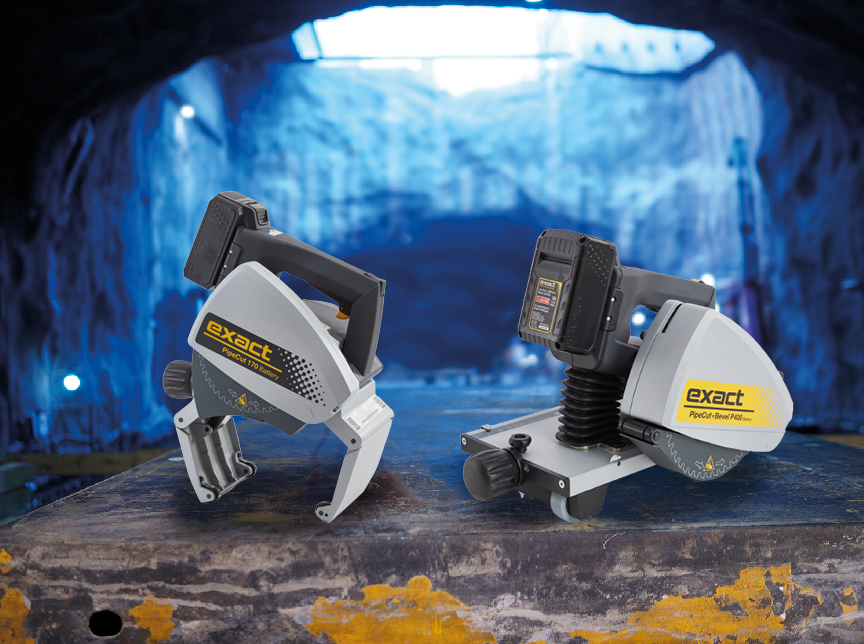
Professional pipe cutting requires an understanding of different cutting methods and when to apply each technique. Whether you’re working with steel, plastic, or copper pipes, selecting the appropriate cutting approach directly impacts joint quality, installation efficiency, and project success. Modern pipe-cutting techniques range from traditional manual methods to advanced mechanical systems that deliver precise results across various materials and applications. Discover professional pipe cutting solutions designed to meet demanding industrial requirements.
Each pipe-cutting method serves a specific purpose, from basic straight cuts for standard connections to specialised bevel cuts for welding applications. Understanding these differences helps professionals choose the right approach for their projects whilst avoiding costly mistakes that compromise installation quality.
Essential pipe cutting methods for different applications
Professional pipe cutting encompasses several fundamental techniques, each designed for specific applications and materials. Straight cuts are the most common approach, creating perpendicular cuts across the pipe circumference for standard fittings and connections. These cuts work effectively for most plumbing applications where pipes connect using couplings, elbows, or tees.
Bevel cuts create angled edges, typically ranging from 30 to 45 degrees, and are essential for welding applications. This cutting method prepares pipe ends for proper weld penetration and joint strength in industrial piping systems. The angled surface provides adequate space for welding material whilst ensuring structural integrity.
Specialty cuts include compound angles, notching, and contour cutting for complex installations. These techniques accommodate unusual fitting requirements, pipe intersections, and custom fabrication needs. Manual cutting approaches using hacksaws or reciprocating saws offer flexibility for occasional use, whilst mechanical pipe-cutting systems provide consistent results for high-volume applications.
Mechanical pipe-cutting methods deliver superior accuracy and efficiency compared to manual techniques. These systems maintain consistent cutting angles, reduce operator fatigue, and produce cleaner cut surfaces that require minimal finishing. Professional contractors increasingly rely on mechanical systems for their reliability and time-saving capabilities.
Straight cuts vs bevel cuts: choosing the right approach
The choice between straight and bevel cuts depends primarily on the intended joint type and application requirements. Straight cuts suit threaded connections, compression fittings, and push-fit systems, where perpendicular surfaces ensure proper sealing and alignment. These cuts work well for residential plumbing, HVAC installations, and general industrial applications.
Bevel cuts are essential for welded joints, particularly in high-pressure systems, structural applications, and industrial process piping. The angled surface allows complete weld penetration, creating stronger joints capable of withstanding significant stress and pressure variations. Welding applications typically require bevel angles between 30 and 45 degrees, depending on pipe wall thickness and welding procedure specifications.
Installation considerations also influence cutting method selection. Straight cuts allow immediate fitting installation without additional preparation, reducing installation time and labour costs. Bevel cuts require additional welding steps but create permanent, high-strength connections suitable for critical applications.
Performance differences become apparent in various piping systems. Threaded connections using straight cuts offer easy maintenance and replacement, making them ideal for accessible locations. Welded connections created with bevel cuts provide superior strength and leak resistance but require skilled welders and specialised equipment for modifications.
Material-specific cutting considerations for optimal results
Different pipe materials require specific cutting approaches to achieve optimal results. Steel pipes demand robust cutting systems with appropriate blade selection and controlled cutting speeds to prevent overheating and maintain blade life. Carbon steel typically cuts well with standard metal-cutting blades, whilst stainless steel requires specialised blade compositions to handle its work-hardening characteristics.
Copper pipes respond well to fine-toothed blades operating at moderate speeds. The soft material cuts easily but requires careful support to prevent deformation during cutting. Plastic pipes, including PVC, PE, and PP, need sharp blades and controlled cutting speeds to prevent melting and ensure clean edges.
Aluminium pipes require specific blade geometries to prevent material buildup on cutting edges. The material’s tendency to weld to cutting surfaces necessitates proper blade selection and, in some cases, cutting-fluid application. Cast iron presents unique challenges due to its brittle nature, requiring steady cutting pressure and appropriate support to prevent cracking.
Cutting-speed adjustments are crucial for different materials. Harder materials like stainless steel benefit from slower cutting speeds to maintain blade sharpness and prevent overheating. Softer materials can accommodate faster cutting speeds whilst maintaining cut quality, improving productivity for high-volume applications.
Common pipe cutting mistakes that compromise project quality
Improper blade selection is one of the most frequent pipe-cutting errors. Using incorrect blade types for specific materials results in poor cut quality, excessive blade wear, and potential safety hazards. Blade compatibility with pipe material, wall thickness, and cutting-system specifications directly affects cutting performance and results.
Incorrect cutting angles compromise joint integrity and installation success. Cuts that deviate from perpendicular or specified bevel angles create gaps in fittings, leading to leak paths and reduced joint strength. These errors often require rework, increasing project costs and causing delays.
Inadequate pipe support during cutting causes several problems, including:
- Pipe deformation from cutting forces
- Uneven cuts due to pipe movement
- Blade binding and potential breakage
- Safety risks from unstable workpieces
Rushed cutting processes frequently result in substandard outcomes. Excessive cutting speeds, insufficient setup time, and inadequate measurement verification lead to dimensional errors, rough cut surfaces, and wasted materials. These mistakes impact joint quality and extend the overall project timeline due to required rework.
How Exact Tools revolutionises professional pipe cutting
Modern pipe-cutting technology addresses traditional industry challenges through innovative design and engineering solutions. Professional pipe-cutting systems now deliver cutting speeds up to 10 times faster than conventional methods whilst maintaining superior cut quality and consistency.
Advanced pipe-cutting systems feature cold-cutting processes that eliminate fire hazards and sparks, making them suitable for sensitive environments where hot-work permits are difficult to obtain. These systems also consume 85% less power than angle grinders, reducing operational costs and environmental impact.
Professional Pipe Cutting Solutions Comparison
| Product | Pipe Size Range | Materials | Key Features |
|---|---|---|---|
| PipeCut P400 | 50-400mm (2″-16″) | PE, PP, PVC plastics | Cut and bevel in one process, 15° bevel angle |
| PipeBevel 220E | 25-220mm (0.98″-8.6″) | Steel, stainless steel | Multiple bevel angles (30°, 37.5°, 45°), built-in stopper |
| PipeBevel 360E | 110-360mm (4.33″-14.17″) | Steel, stainless steel | Large-diameter capability, portable design, multiple cutting tips |
These cutting systems incorporate safety features and user-friendly interfaces that reduce operator training requirements whilst maintaining professional results. Their portable designs enable on-site operation without compromising cutting precision or efficiency.
How Exact Tools helps professionals achieve superior pipe cutting results
We specialise in revolutionary pipe-cutting and finishing solutions that address the demanding requirements of professional contractors and industrial users. Our comprehensive range of pipe-cutting systems handles steel, plastic, copper, aluminium, cast iron, stainless steel, and multi-layer pipes with precision and efficiency.
Our approach to professional pipe cutting focuses on several key areas:
- Delivering cutting speeds up to 10 times faster than traditional methods
- Producing smooth, straight cuts ready for immediate joining
- Eliminating fire hazards through cold-cutting processes
- Reducing power consumption by 85% compared to angle grinders
- Providing portable solutions for on-site operation
The PipeCut series represents over twenty years of expertise in pipe cutting and bevelling technology, with award-winning designs recognised by the Red Dot Design Awards and the GOOD DESIGN Awards. Our ISO 9001, ISO 14001, and ISO 45001 certifications demonstrate our commitment to quality management, environmental responsibility, and occupational safety.
Professional contractors worldwide rely on our innovative solutions to overcome common pipe-cutting challenges whilst maintaining exceptional safety standards and cut quality. Contact our team to discuss your specific pipe-cutting requirements and discover how our technology can improve your project efficiency and results.