

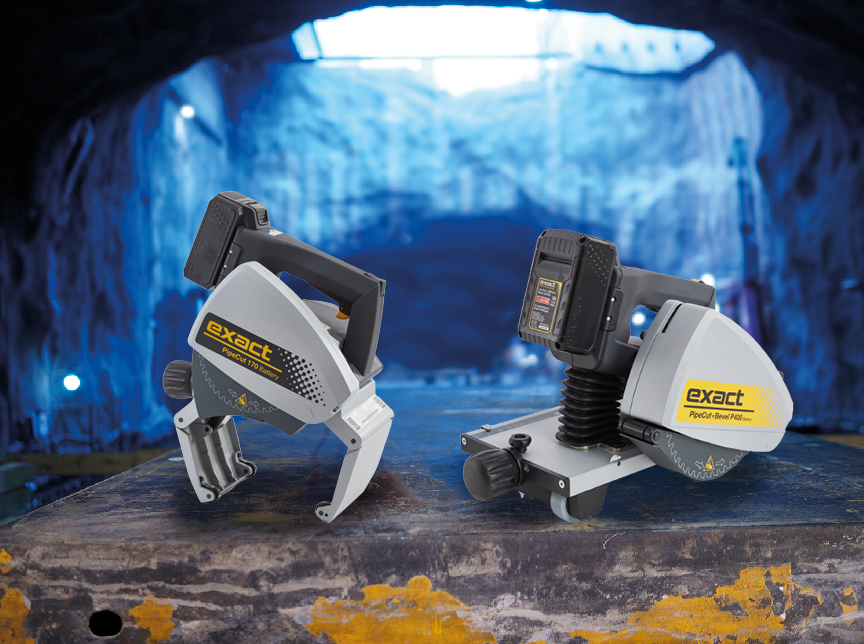
Automated pipe cutting offers significant advantages over traditional manual methods, delivering faster cutting speeds, enhanced safety, and improved operational efficiency. Modern automated cutting systems can cut pipes up to 10 times faster than conventional methods while producing precise, consistent results across various materials, including steel, plastic, copper, and stainless steel. Discover advanced pipe cutting solutions that transform industrial pipe-processing workflows.
What exactly is automated pipe cutting, and how does it work?
Automated pipe cutting technology uses precision-engineered machines that perform pipe-cutting operations with minimal manual intervention. These systems employ motorised cutting mechanisms, controlled feed rates, and guided positioning to deliver consistent, accurate cuts across different pipe materials and sizes.
The core mechanisms involve automated feeding systems that advance the cutting tool at controlled speeds, eliminating human error in positioning and movement. Professional pipe-cutting systems integrate safety features, dust collection, and cooling systems that work together during the cutting process.
Traditional manual cutting methods require constant operator control over cutting speed, pressure, and positioning. Automated systems standardise these variables, ensuring each cut meets the same quality specifications regardless of the operator’s skill level. The machines handle material clamping, cutting-depth control, and finishing operations through programmed sequences.
Why is automated pipe cutting faster than traditional methods?
Automated pipe-cutting systems achieve dramatically faster cutting speeds through optimised motor performance, consistent feed rates, and the elimination of setup delays. Professional automated systems can complete cuts in seconds rather than minutes, with some achieving cutting speeds up to 10 times faster than angle grinders or manual saws.
Setup time reduction represents a major speed advantage. Automated systems use quick-mounting mechanisms and standardised positioning that allow operators to secure pipes and begin cutting within seconds. Traditional methods require measuring, marking, clamping, and manual positioning for each cut.
Consistent cutting speeds eliminate the variability inherent in manual operations. Human operators naturally vary their cutting pressure and speed, leading to inconsistent results and slower overall progress. Automated systems maintain optimal cutting parameters throughout the entire operation, maximising material removal rates while preserving cut quality.
The elimination of manual positioning errors prevents time-consuming rework. When cuts are made incorrectly with traditional methods, operators must restart the process or attempt corrections. Automated systems produce accurate cuts consistently, reducing waste and eliminating correction time.
How does automated pipe cutting improve safety in industrial environments?
Automated pipe-cutting systems significantly enhance workplace safety by reducing operator exposure to cutting hazards, eliminating spark-related fire risks, and minimising repetitive strain injuries. Cold-cutting processes used in professional automated systems produce no sparks, removing ignition sources in environments with flammable materials.
Reduced operator exposure occurs through enclosed cutting chambers and automated material handling that keep hands and body parts away from cutting tools. Traditional cutting methods require operators to maintain close contact with cutting surfaces, increasing the risk of injury from blade contact, flying debris, and awkward positioning.
The elimination of sparks and fire risks through cold-cutting technology makes automated systems suitable for use in confined spaces, near combustible materials, and in environments where hot-work permits are difficult to obtain. Traditional cutting methods using abrasive wheels or torches create significant fire hazards.
Decreased physical strain results from automated material handling and ergonomic machine design. Operators avoid the repetitive motions, awkward positions, and sustained grip strength required for manual cutting tools. This reduces fatigue-related accidents and long-term musculoskeletal injuries.
Improved compliance with workplace safety standards becomes achievable through integrated safety features, documented cutting procedures, and reduced reliance on personal protective equipment. Many automated systems include safety interlocks, emergency stops, and operational monitoring that support regulatory compliance.
What types of materials can automated pipe cutting systems handle?
Professional automated pipe-cutting systems handle a comprehensive range of materials, including steel, plastic, copper, aluminium, cast iron, stainless steel, and multi-layer pipes. Modern systems use interchangeable cutting tools and adjustable parameters to optimise performance across different material properties and wall thicknesses.
Steel and stainless steel pipes represent the most common applications for automated cutting systems. These materials require controlled cutting speeds and appropriate tooling to prevent work hardening and achieve smooth finishes suitable for welding applications.
Plastic pipe materials, including PE, PP, and PVC, benefit from automated cutting through consistent blade angles and controlled feed rates that prevent cracking, melting, or deformation. Specialised plastic cutting systems can simultaneously cut and bevel pipes in a single operation.
Copper and aluminium pipes require different cutting approaches due to their softer properties and tendency to create built-up edge on cutting tools. Automated systems adjust cutting parameters automatically to maintain clean cuts and prevent material adhesion to cutting surfaces.
Cast iron and multi-layer pipe materials present unique challenges that automated systems address through variable speed control and specialised tooling. Multi-layer pipes containing different materials require cutting techniques that handle each layer appropriately without delamination or damage.
How does automated pipe cutting reduce operational costs?
Automated pipe cutting reduces operational costs through decreased labour requirements, lower energy consumption, reduced material waste, and extended equipment life. Professional systems consume up to 85% less energy than angle grinders while completing cuts faster, resulting in significant utility cost savings over time.
Reduced labour requirements result from faster cutting speeds and simplified operation, allowing one operator to manage multiple cutting operations. Automated systems eliminate the need for skilled manual cutting techniques, enabling less experienced operators to achieve professional results.
Lower energy consumption results from efficient motor design and optimised cutting processes that remove material more effectively than traditional methods. Cold-cutting processes require less power than heat-based cutting methods while achieving superior results.
Reduced material waste through precise cuts lowers raw material costs and disposal expenses. Automated systems produce consistent, accurate cuts that eliminate the need for rework or material replacement due to cutting errors. Clean cuts also reduce the need for secondary finishing operations.
Long-term equipment durability advantages include reduced wear on cutting tools through optimal operating parameters and consistent performance. Automated systems protect cutting tools from overload conditions and operator misuse that commonly damage manual cutting equipment.
Professional Automated Pipe Cutting Solutions
| Machine | Pipe Range | Materials | Key Features |
|---|---|---|---|
| PipeCut P400 | 50–400 mm diameter | PE, PP, PVC plastics | Cut and bevel in one process, 15-degree bevel capability |
| PipeBevel 220E | 25–220 mm diameter | Steel, stainless steel | Portable design, multiple bevel angles, spark-free operation |
| PipeBevel 360E | 110–360 mm diameter | Steel, stainless steel | Heavy-duty applications, built-in stopper, consistent results |
How Exact Tools helps customers with automated pipe cutting
We specialise in advanced automated pipe-cutting solutions that deliver professional results across construction, plumbing, and industrial applications. Our comprehensive range of pipe cutting and bevelling systems addresses the full spectrum of automated cutting requirements, from small-diameter plastic pipes to large industrial steel installations.
Our automated pipe-cutting technology offers several key advantages:
- Multi-material capability – Cut steel, plastic, copper, aluminium, cast iron, stainless steel, and multi-layer pipes
- Speed improvements of up to 10 times compared with traditional methods
- Cold-cutting processes that eliminate sparks and fire hazards
- Portable, lightweight designs for on-site operations
- Precision cutting with consistent, professional results
We support professional contractors and industrial users through comprehensive training, technical support, and maintenance services that ensure optimal performance from automated cutting systems. Our solutions integrate seamlessly into existing workflows while delivering measurable improvements in productivity and safety.
Explore our complete range of automated pipe-cutting solutions or contact our technical team to discuss your specific automated cutting requirements and discover how our systems can transform your pipe-processing operations.