

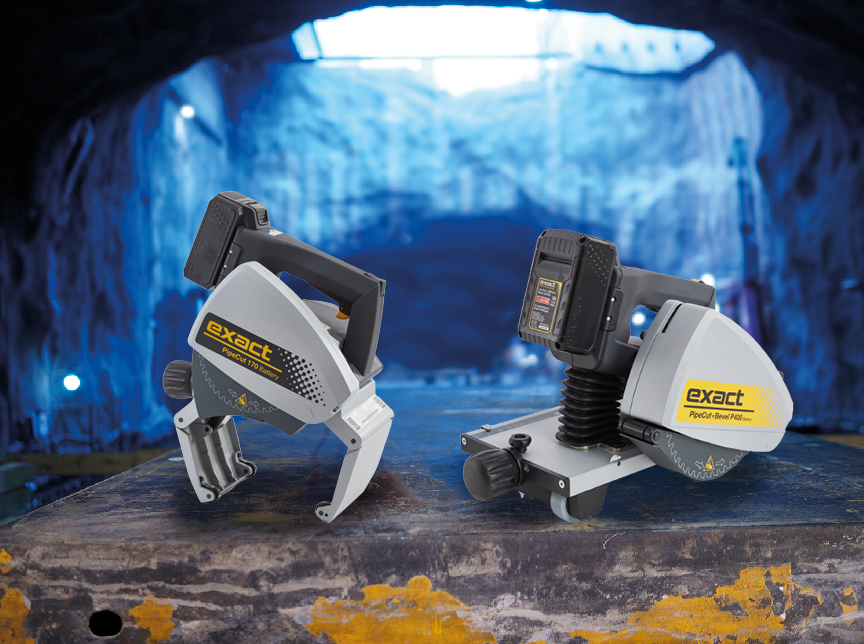
The best way to cut large-diameter pipes depends on the pipe material and the job requirements, but portable pipe saws consistently deliver superior results compared with traditional methods. These specialised tools provide faster cutting speeds, cleaner cuts, and enhanced safety features, making them ideal for professional pipe-cutting applications. Modern pipe-cutting solutions can handle various materials, including steel, stainless steel, cast iron, and plastic, while maintaining precision and efficiency.
What are the main challenges when cutting large-diameter pipes?
Cutting large-diameter pipes presents several significant challenges that affect tool selection and cutting methods. Material thickness is the primary obstacle, as thicker walls require more power and specialised cutting techniques to maintain clean, straight cuts. Weight considerations become critical when working with heavy steel or cast iron pipes, requiring portable solutions that operators can manoeuvre safely on-site.
Precision requirements increase with larger pipes because even small deviations in the cutting angle multiply across the pipe’s circumference. This makes perfectly square cuts essential for proper pipe joining and system integrity. Safety concerns also increase with large pipes due to greater material mass, higher cutting forces, and a higher risk of accidents during handling.
Workspace limitations often restrict access around large pipes, requiring compact tools that can operate in confined areas. Traditional cutting methods frequently struggle with these constraints, leading to compromised cut quality and extended project timelines. Professional contractors need solutions that address all these challenges simultaneously while delivering consistent results across different pipe materials and job-site conditions.
Which cutting methods work best for different large-diameter pipe materials?
Steel pipe cutting requires robust methods that can handle thick walls and hard materials effectively. Portable pipe saws excel with steel pipes because they maintain consistent cutting speeds while producing smooth, burr-free edges ready for welding or joining. Cold-cutting processes prevent heat distortion, which commonly occurs with flame-cutting methods.
Stainless steel demands specialised approaches due to its work-hardening properties and corrosion-resistance requirements. Professional pipe-cutting tools with appropriate blade materials prevent contamination while maintaining the material’s integrity. The cutting process must avoid introducing heat that could compromise stainless steel’s corrosion resistance.
Cast iron pipes benefit from controlled cutting methods that prevent cracking and material fracture. Traditional methods often create stress concentrations that can lead to pipe failure, while modern pipe saws distribute cutting forces evenly. Plastic and composite pipes require different considerations, focusing on preventing melting, cracking, or delamination during the cutting process.
Featured Pipe Cutting Solutions
| Model | Pipe Range | Materials | Key Features |
|---|---|---|---|
| PipeCut P400 | 50–400 mm diameter | Plastic pipes (PE, PP, PVC) | Cut and bevel in one process, 15° bevel angle |
| PipeBevel 220E | 25–220 mm diameter | Steel, stainless steel | Multiple bevel angles, spark-free operation |
| PipeBevel 360E | 110–360 mm diameter | Steel, stainless steel | Heavy-duty applications, built-in stopper |
How do portable pipe saws compare to traditional cutting methods?
Portable pipe saws deliver significantly faster cutting speeds than traditional methods, often completing cuts up to 10 times faster than conventional approaches. This speed advantage translates directly into reduced labour costs and improved project timelines. The precision achieved with specialised pipe-cutting equipment consistently surpasses that of angle grinders or reciprocating saws.
Safety benefits are a major advantage of modern pipe-cutting technology. Cold-cutting processes eliminate fire hazards by producing no sparks, making them suitable for use in sensitive environments where hot-work permits would otherwise be required. The controlled cutting action reduces kickback risk and provides better operator control than handheld tools.
Operational efficiency improves dramatically with portable pipe saws because they produce cuts that require minimal finishing work. Traditional methods often leave rough edges that require additional grinding or filing, while professional pipe-cutting tools deliver smooth, square cuts ready for immediate joining. This eliminates secondary operations and reduces overall project time.
Power-consumption advantages make portable pipe saws more economical for extended use. These tools typically consume 85% less power than angle grinders while delivering superior results. The reduced power requirements also make them suitable for use with portable generators or in locations with limited electrical capacity.
What safety considerations are crucial when cutting large pipes?
Personal protective equipment requirements increase when working with large-diameter pipes due to greater material mass and higher cutting forces. Operators must wear appropriate eye protection, hearing protection, and cut-resistant gloves. Safety footwear is essential when handling heavy pipe sections that could cause crushing injuries if dropped.
Workspace preparation involves securing the pipe properly to prevent movement during cutting operations. Large pipes require adequate support on both sides of the cut to prevent binding or sudden movement that could damage equipment or injure operators. Clear escape routes must be maintained around the work area.
Fire-hazard prevention becomes critical in industrial environments where combustible materials may be present. Traditional cutting methods that produce sparks create significant fire risks, particularly in confined spaces or around flammable substances. Cold-cutting processes eliminate these hazards while maintaining cutting efficiency.
Proper tool maintenance ensures safe operation and helps prevent equipment failures that could result in accidents. Regular blade inspection, proper lubrication, and adherence to manufacturer guidelines help maintain safe operating conditions. Operators should receive proper training on equipment use and safety procedures specific to large-diameter pipe-cutting applications.
How does Exact Tools help professionals with large-diameter pipe cutting?
We specialise in developing innovative pipe-cutting solutions that address the specific challenges of large-diameter pipe cutting for professional contractors. Our portable pipe saws are designed to handle various materials, including steel, stainless steel, cast iron, plastic, and multilayer pipes, with exceptional precision and efficiency.
Our product range includes machines capable of cutting pipes from 25 mm to 400 mm in diameter, with some models offering combined cutting and bevelling capabilities in a single operation. The PipeBevel series provides professional bevelling solutions for on-site welding applications, while the PipeCut P400 system offers specialised plastic pipe cutting with integrated bevelling functionality.
Key advantages of our pipe-cutting technology include:
- Cold-cutting processes that eliminate fire hazards and spark production
- Cutting speeds up to 10 times faster than traditional methods
- 85% lower power consumption compared with angle grinders
- Smooth, precise cuts ready for immediate joining
- Portable designs suitable for on-site applications
We maintain ISO 9001, ISO 14001, and ISO 45001 certifications, demonstrating our commitment to quality management, environmental responsibility, and occupational safety. Explore our complete range of pipe-cutting solutions or contact our team to discuss your specific large-diameter pipe-cutting requirements and find the optimal solution for your professional applications.