

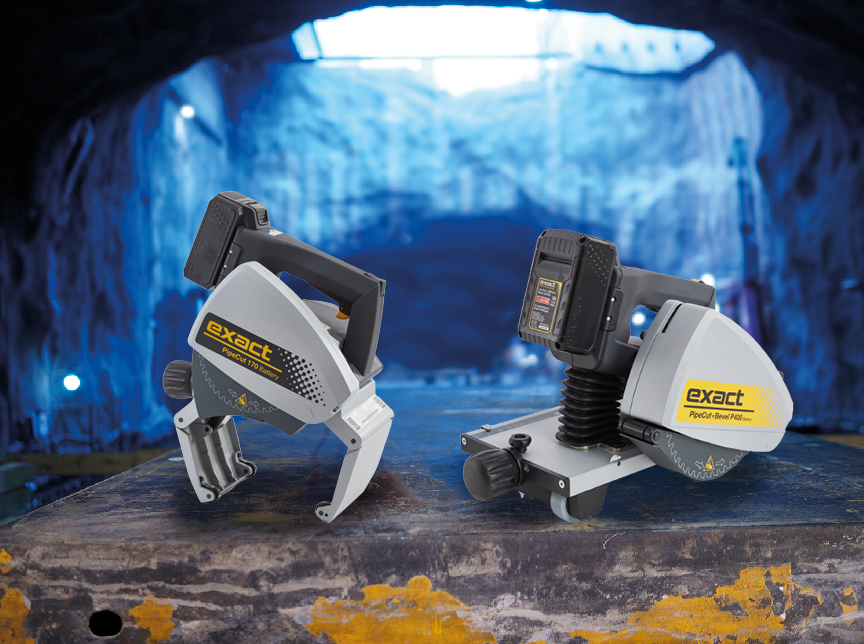
Modern pipe saws can cut through a wide range of materials, including steel, stainless steel, copper, aluminum, cast iron, plastic pipes, and multilayer pipe materials. Cutting performance depends on selecting the appropriate blade type and understanding each material’s specific properties. Professional pipe-cutting tools deliver clean, precise cuts across these materials when properly configured for the application’s specific requirements.
Understanding which materials work with your pipe saw helps ensure optimal cutting performance and blade longevity. Different materials require specific cutting approaches and blade configurations to achieve the best results. Explore our comprehensive range of pipe-cutting solutions designed for various material applications.
What materials can pipe saws cut through effectively?
Pipe saws effectively cut through steel, stainless steel, copper, aluminum, cast iron, plastic, and multilayer pipe materials. Each material presents unique cutting characteristics that influence blade selection and cutting technique. Steel pipes require robust carbide-tipped blades, while plastic materials need fine-toothed blades to prevent chipping and ensure smooth cuts.
Metal pipes such as steel and stainless steel represent the most common applications for industrial pipe cutting. These materials typically require higher cutting speeds and carbide-tipped blades for optimal performance. The hardness and composition of steel pipes influence cutting speed and blade wear rates.
Plastic pipe materials, including PE, PP, and PVC, require different cutting approaches than metals. These materials cut cleanly with fine-toothed blades at moderate speeds. Plastic pipes are prone to chipping if cut too aggressively, making proper blade selection crucial for quality results.
Multilayer pipe materials combine different substances and require versatile cutting capabilities. These composite pipes often feature plastic cores with metal reinforcement layers, demanding blades that can handle varying material densities within a single cut.
How do you choose the right pipe cutting blade for different materials?
Blade selection depends on material hardness, wall thickness, and desired cut quality. Carbide-tipped blades work best for steel and stainless steel applications, while bi-metal blades offer versatility across multiple material types. Fine-toothed blades prevent chipping in plastic materials, and coarse-toothed blades remove material quickly from softer metals.
Carbide-tipped blades provide exceptional durability when cutting hard materials like steel and cast iron. These blades maintain sharp cutting edges longer and resist wear from abrasive materials. The carbide tips handle the high temperatures generated during metal cutting without losing their cutting effectiveness.
Tooth configuration significantly affects cutting performance across different materials. Materials with varying hardness require specific tooth patterns:
- Fine teeth (18–24 TPI) for thin-walled pipes and plastic materials
- Medium teeth (10–14 TPI) for general steel and aluminum applications
- Coarse teeth (6–10 TPI) for thick-walled pipes and rapid material removal
Blade diameter and mounting-bore compatibility ensure a proper fit with your pipe saw. Standard blade diameters range from 148 mm to larger sizes, depending on the cutting capacity required. Always verify that blade specifications match your machine’s requirements before installation.
What are the cutting limitations and thickness ranges for pipe saws?
Pipe saw limitations depend on machine specifications, blade capacity, and material properties. Most professional pipe saws handle pipe diameters from 25 mm to 400 mm, with wall-thickness capabilities up to 25 mm. Harder materials like stainless steel may reduce maximum cutting capacity compared to softer materials like plastic or aluminum.
Pipe diameter ranges vary significantly between different machine models. Smaller portable units typically accommodate pipes up to 220 mm in diameter, while larger industrial machines handle pipes exceeding 360 mm. The pipe support system and cutting-head design determine the practical size limitations for each machine.
Wall-thickness capabilities depend on material hardness and machine power. Steel pipes with a 10 mm wall thickness represent a typical capacity for professional machines, while plastic pipes allow cutting through walls up to 25 mm thick. Thicker walls require slower cutting speeds and may require multiple passes for complete cuts.
Machine specifications directly influence cutting performance across different materials:
| Material Type | Typical Diameter Range | Wall Thickness Limit | Cutting Considerations |
|---|---|---|---|
| Steel/Stainless Steel | 25–360 mm | Up to 10 mm | Requires carbide blades, moderate speeds |
| Plastic (PE/PP/PVC) | 50–400 mm | Up to 25 mm | Fine-tooth blades, controlled feed rate |
| Copper/Aluminum | 25–360 mm | Up to 15 mm | Medium-tooth blades, higher speeds possible |
Why do different pipe materials require different cutting techniques?
Material properties such as hardness, thermal conductivity, and structural composition determine optimal cutting techniques. Hard materials like steel require slower speeds with steady pressure, while soft materials like plastic need controlled feed rates to prevent melting or chipping. Cold-cutting methods eliminate sparks and heat-affected zones regardless of material type.
Steel and stainless steel generate significant heat during cutting, making cold-cutting technology essential for safety and cut quality. These materials benefit from steady, consistent pressure rather than aggressive feeding. Cutting speed should match the material’s hardness to prevent premature blade wear.
Plastic materials require careful temperature management during cutting. Excessive speed or pressure causes melting at the cut edge, creating rough surfaces and dimensional inaccuracies. Proper technique involves moderate speeds with consistent feed rates to maintain clean cuts.
Cold-cutting technology provides significant advantages across all materials:
- Eliminates fire hazards through spark-free operation
- Prevents heat-affected zones that weaken material properties
- Reduces power consumption compared to traditional grinding methods
- Produces clean cuts ready for immediate joining
Material-specific cutting approaches ensure optimal results. Cast iron requires steady pressure to prevent cracking, while aluminum cuts cleanly at higher speeds. Understanding these material characteristics helps operators achieve consistent, professional results across different applications.
Professional Pipe Cutting Solutions
PipeCut P400 System
- Materials: All common plastic materials (PE, PP, PVC)
- Pipe Range: 50–400 mm diameter
- Wall Thickness: Up to 25 mm
- Features: Cut and bevel in one process, lightweight design
PipeBevel 220E System
- Materials: Steel and stainless steel pipes
- Pipe Range: 25–220 mm diameter
- Wall Thickness: Up to 10 mm
- Features: Portable beveller, multiple bevel angles available
PipeBevel 360E System
- Materials: Steel and stainless steel pipes
- Pipe Range: 110–360 mm diameter
- Wall Thickness: Up to 10 mm
- Features: Heavy-duty applications, professional on-site use
How Exact Tools helps professionals with pipe cutting applications
We specialise in revolutionary pipe cutting and finishing solutions that handle steel, plastic, copper, aluminum, cast iron, stainless steel, and multilayer pipes with exceptional precision. Our PipeCut series delivers cutting speeds up to 10 times faster than traditional methods while maintaining superior cut quality and safety standards through cold-cutting technology.
Our comprehensive product range addresses diverse professional pipe-cutting requirements across construction, plumbing, and industrial sectors. The PipeCut series features portable designs that enable on-site operation while delivering consistent, professional results. Each machine incorporates advanced engineering to handle specific material types and pipe size ranges effectively.
Professional contractors benefit from our innovative approach to pipe-cutting technology:
- Award-winning designs recognised with Red Dot Design Awards
- Cold-cutting processes that eliminate fire hazards and sparks
- 85% lower power consumption compared to traditional angle grinders
- Clean, straight cuts ready for immediate joining
- Lightweight, portable machines for enhanced job-site mobility
Our ISO 9001, ISO 14001, and ISO 45001 certifications demonstrate our commitment to quality management, environmental responsibility, and occupational safety. This ensures every pipe-cutting solution meets the highest professional standards for reliability and performance.
Ready to experience superior pipe-cutting performance across all materials? Browse our complete range of pipe-cutting solutions or contact our team to discuss your specific application requirements and find the ideal cutting solution for your professional needs.