

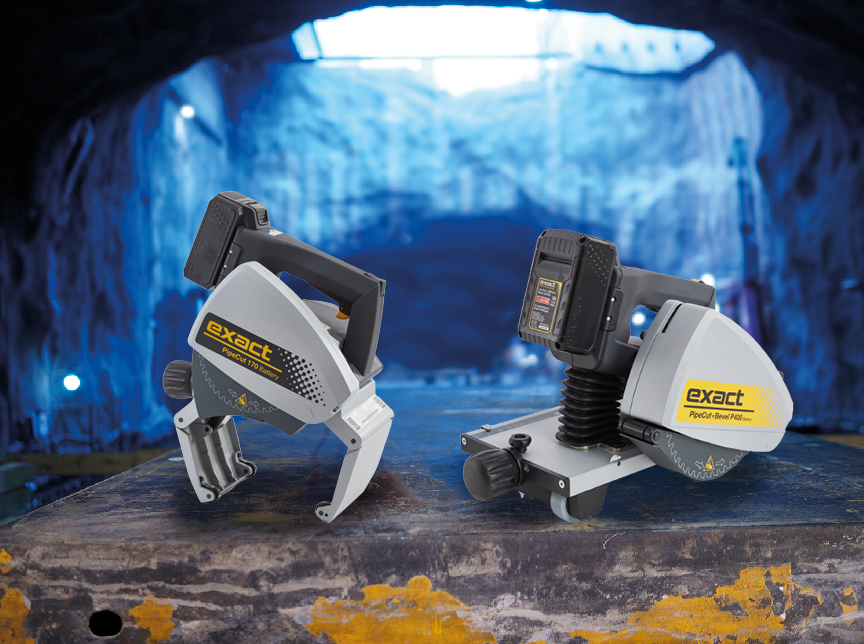
Pipe-cutting safety remains a critical concern across the construction, plumbing, and industrial sectors, where proper safety gear and pipe-cutting protocols can prevent serious injuries and workplace accidents. Professional pipe-cutting operations expose workers to multiple hazards, including flying debris, sharp edges, noise exposure, and potential fire risks from traditional cutting methods.
Understanding essential pipe-cutting protective equipment and implementing comprehensive safety protocols protect workers while maintaining operational efficiency. Modern pipe-saw safety technology has revolutionised traditional approaches, offering safer alternatives that significantly reduce common workplace hazards. Explore advanced pipe-cutting solutions that prioritise both safety and performance in professional applications.
This comprehensive guide covers mandatory personal protective equipment, hazard-identification methods, safety protocols for different cutting techniques, regulatory compliance requirements, and how innovative technology enhances overall pipe-cutting safety standards.
Essential personal protective equipment for pipe-cutting operations
Personal protective equipment forms the foundation of effective pipe-cutting safety protocols. Workers must wear appropriate PPE regardless of the cutting method employed, as pipe-cutting hazards can occur unexpectedly during any operation.
Eye and face protection represents the most critical safety requirement for pipework operations. Safety glasses with side shields provide minimum protection, while wraparound safety glasses offer superior coverage against flying debris. For operations involving plasma cutting or flame cutting, full face shields are mandatory to protect against intense light and metal spatter.
Hearing protection becomes essential when noise levels exceed 85 decibels, which occurs frequently with traditional cutting methods. Foam earplugs provide basic protection for short-term exposure, while noise-cancelling earmuffs offer superior protection for extended operations. Many modern pipe-cutting systems operate at significantly lower noise levels, reducing hearing-protection requirements.
Respiratory protection requirements depend heavily on the materials being cut and the cutting method employed. Dust masks suffice for basic operations, but respirators become necessary when cutting materials that produce hazardous particles or fumes. Stainless-steel cutting, for example, requires specialised respiratory protection due to chromium exposure risks.
Cut-resistant gloves must meet appropriate ANSI/ISEA standards for the specific application. Level A2 or A3 gloves provide adequate protection for most pipe-handling operations, while Level A4 or A5 gloves become necessary for handling sharp-edged materials or working with high-risk cutting methods.
Understanding pipe-cutting hazards and risk assessment
Comprehensive hazard identification enables effective risk-management strategies for industrial pipe-cutting operations. Understanding potential dangers allows supervisors and workers to implement appropriate control measures before beginning cutting operations.
Flying debris poses the most common immediate danger during pipe-cutting operations. Traditional cutting methods generate significant amounts of metal particles, sparks, and cut-off pieces that can cause serious eye injuries or lacerations. The trajectory and velocity of debris vary depending on the cutting method, material type, and pipe positioning.
Noise exposure presents both immediate and long-term health risks. Traditional angle grinders and reciprocating saws typically generate noise levels between 95 and 110 decibels, well above safe exposure limits. Prolonged exposure without adequate hearing protection leads to permanent hearing damage and tinnitus.
Dust and fume inhalation risks depend significantly on pipe materials and cutting methods. Steel cutting produces iron oxide particles, while plastic pipe cutting can release toxic fumes when heated. Proper ventilation and respiratory protection become critical, particularly in confined spaces or poorly ventilated areas.
Fire hazards emerge primarily with spark-producing cutting methods. Traditional cutting techniques can ignite flammable materials, vapours, or gases present in the work environment. This risk becomes particularly severe in industrial facilities, chemical plants, or areas with combustible materials nearby.
Safety protocols for different pipe-cutting methods
Different cutting technologies require specific safety protocols tailored to their unique hazard profiles. Understanding these distinctions enables proper safety planning and equipment selection for various pipe-cutting PPE requirements.
Traditional mechanical cutting methods using angle grinders or reciprocating saws generate the highest safety risks. These methods produce significant sparks, noise, and debris while requiring substantial physical force. Workers must maintain secure footing, use both hands for tool control, and ensure adequate clearance around the cutting area.
Plasma cutting operations introduce additional hazards, including intense ultraviolet light, electromagnetic fields, and toxic fumes. Operators require specialised welding helmets, flame-resistant clothing, and enhanced ventilation systems. Work areas must be cleared of flammable materials within a substantial radius.
Cold-cutting processes represent a significant advancement in pipework safety equipment. These methods eliminate spark generation, dramatically reduce noise levels, and produce minimal debris. The absence of heat generation removes fire hazards and reduces respiratory risks associated with heated metal particles.
Proper work-area preparation remains essential regardless of the cutting method. This includes securing loose materials, establishing adequate lighting, ensuring stable pipe positioning, and maintaining clear evacuation routes. Emergency procedures should be established and communicated to all personnel before operations begin.
Workplace safety standards and compliance requirements
Regulatory compliance ensures consistent safety standards across different work environments and provides legal protection for employers and workers. Understanding applicable regulations helps organisations develop comprehensive safety programmes.
OSHA regulations under 29 CFR 1926 establish minimum safety requirements for construction operations involving pipe cutting. These standards mandate specific PPE requirements, noise-exposure limits, respiratory-protection protocols, and hazard-communication procedures. Employers must provide appropriate safety equipment and ensure compliance with worker-training requirements.
Industry-specific standards may impose additional requirements beyond basic OSHA compliance. Nuclear facilities, chemical plants, and offshore installations often require enhanced safety protocols, specialised equipment certifications, and additional training requirements for pipe-cutting operations.
Documentation requirements include safety-training records, equipment-inspection logs, incident reports, and hazard assessments. Regular safety audits help identify compliance gaps and ensure continuous improvement in safety performance. Many organisations implement safety-management systems that exceed minimum regulatory requirements.
Training programmes must cover proper PPE use, hazard recognition, emergency procedures, and equipment-specific safety protocols. Refresher training ensures workers maintain up-to-date knowledge of safety requirements and new technologies that enhance workplace safety.
How Exact Tools enhances pipe-cutting safety
Modern pipe-cutting technology addresses traditional safety concerns through innovative engineering solutions that eliminate many common hazards. Cold-cutting technology represents a fundamental shift away from spark-producing methods that create fire risks and other safety hazards.
Our pipe-cutting systems eliminate spark generation entirely, removing fire hazards that plague traditional cutting methods. This cold-cutting approach allows safe operation in environments where flammable materials or gases may be present, significantly expanding operational capabilities while maintaining strict safety standards.
Noise-reduction technology in modern pipe saws operates at substantially lower decibel levels than traditional angle grinders. This reduction minimises hearing-protection requirements and creates safer working environments, which is particularly important for extended cutting operations or confined-space work.
Ergonomic design features reduce operator fatigue and improve cutting control, directly contributing to better safety outcomes. Lightweight construction, balanced weight distribution, and intuitive controls help prevent operator errors that can lead to accidents or injuries during pipe-cutting operations.
Featured Pipe Cutting Solutions
| Feature | PipeCut P400 | PipeBevel 220E | PipeBevel 360E |
|---|---|---|---|
| Pipe Size Range | 50-400 mm | 25-220 mm | 110-360 mm |
| Materials | Plastic pipes (PE, PP, PVC) | Steel, stainless steel | Steel, stainless steel |
| Safety Features | Cold cutting, simultaneous bevelling | No sparks, portable design | No sparks, built-in stopper |
| Weight | 6.0 kg | Lightweight and portable | Easy to transport |
Proper safety gear remains essential for all pipe-cutting operations, but modern technology significantly reduces the risks associated with traditional methods. By implementing comprehensive safety protocols, using appropriate protective equipment, and selecting advanced cutting solutions, organisations can maintain high safety standards while improving operational efficiency.
Professional pipe-cutting safety requires an ongoing commitment to training, equipment maintenance, and regulatory compliance. Contact our safety experts to discuss how advanced pipe-cutting technology can enhance your workplace safety programmes and reduce operational risks in your specific applications.