

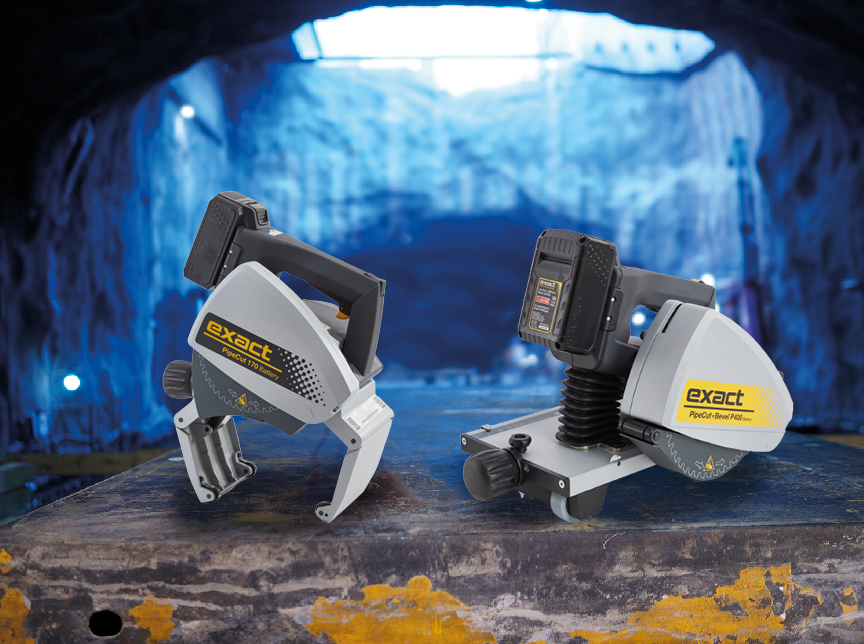
Cold pipe cutting eliminates fire hazards by using mechanical cutting processes instead of heat-generating thermal methods such as plasma or flame cutting. This spark-free technology reduces ignition risks in industrial environments while maintaining precise cutting performance. Understanding these safety advantages helps professionals choose the most appropriate cutting method for their specific workplace requirements and regulatory compliance needs.
Industrial pipe-cutting safety depends heavily on the chosen method, with cold cutting offering significant advantages over traditional thermal approaches. Professional pipe cutting solutions continue to advance to meet stringent workplace safety standards while delivering exceptional performance across various pipe materials and industrial applications.
What is cold pipe cutting and how does it differ from thermal methods?
Cold pipe cutting uses mechanical blade technology to cut through pipes without generating heat, sparks, or flames. This method employs sharp cutting blades that slice through pipe materials using rotational force and precise mechanical pressure, maintaining the pipe’s structural integrity while producing clean, straight cuts.
The fundamental difference lies in the cutting mechanism itself. Cold cutting relies on physical blade contact with the pipe material, similar to how a precision saw operates. The blade removes material through controlled mechanical action, keeping the cutting zone at ambient temperature throughout the process.
Thermal cutting methods operate on completely different principles. Plasma cutting uses an electrically conductive gas to transfer energy from a power supply to the material, creating temperatures exceeding 20,000°C. Flame cutting combines oxygen with fuel gases to create combustion reactions that melt through metal. These processes generate significant heat, bright light, sparks, and potentially hazardous fumes.
Professional pipe cutting methods each serve specific applications, but the choice between cold and thermal cutting often comes down to safety requirements and environmental constraints. Cold cutting maintains consistent performance across steel, plastic, copper, aluminium, cast iron, stainless steel, and multi-layer pipe materials without the safety concerns associated with high-temperature processes.
Why does cold pipe cutting eliminate fire hazards that thermal methods create?
Cold pipe cutting eliminates fire hazards because it produces no sparks, flames, or hot surfaces during operation. The mechanical cutting process maintains ambient temperatures throughout, removing potential ignition sources that could trigger fires in industrial environments containing flammable materials, gases, or vapours.
The spark-free operation represents the most significant safety advantage. Traditional thermal cutting methods generate thousands of sparks that can travel considerable distances from the cutting zone. These incandescent particles remain hot enough to ignite combustible materials, creating fire risks that extend far beyond the immediate work area.
Heat generation poses another critical hazard in thermal cutting. The extreme temperatures required for plasma and flame cutting create hot work zones that remain dangerous long after cutting is complete. Cut pipe ends can stay hot enough to cause burns and ignite nearby materials, requiring extended cooling periods and careful handling protocols.
Cold cutting processes eliminate these ignition sources entirely. The mechanical action generates minimal frictional heat, keeping both the cutting blade and pipe material at safe handling temperatures. This fundamental safety advantage allows safe operation in environments where thermal cutting would be prohibited or would require extensive safety precautions.
Workplace safety implications extend beyond immediate fire prevention. Cold cutting eliminates the need for fire watches, hot work permits, and extensive area preparation typically required for thermal cutting operations. This reduces both safety risks and operational complexity in industrial environments.
What are the specific safety advantages of using cold cutting in industrial environments?
Cold cutting provides comprehensive safety advantages, including eliminating hot work permits, reducing personal protective equipment requirements, improving air quality, and lowering insurance risks. These benefits combine to create safer working conditions while reducing operational complexity and the regulatory compliance burden in industrial settings.
Personal protective equipment requirements are significantly reduced with cold cutting methods. Workers avoid the need for specialised thermal cutting gear such as welding helmets, heat-resistant gloves, and flame-retardant clothing. Standard safety glasses, work gloves, and hearing protection provide adequate protection for cold cutting operations.
Eliminating hot work permits represents a major operational advantage. Many industrial facilities require extensive documentation, safety preparations, and ongoing monitoring for thermal cutting operations. Cold cutting bypasses these requirements entirely, allowing work to begin immediately without administrative delays or additional safety personnel.
Air quality improvements benefit all nearby workers. Thermal cutting generates metal fumes, ozone, and other potentially harmful airborne contaminants, requiring ventilation systems and respiratory protection. Cold cutting produces only small amounts of metal particles, which standard dust-collection systems can handle effectively.
Insurance and liability considerations favour cold cutting methods. Many insurance providers offer reduced premiums for facilities using spark-free cutting technologies. Eliminating the fire risks associated with thermal cutting reduces potential claims and demonstrates a commitment to workplace safety excellence.
Enhanced worker safety protocols become simpler to implement and maintain. Cold cutting allows standard industrial safety procedures without the specialised training, equipment, and monitoring required for thermal cutting operations. This simplification reduces training costs while improving safety compliance.
How do cold cutting tools compare to thermal cutting equipment in terms of operational safety?
Cold cutting tools offer superior operational safety through simplified training requirements, reduced maintenance hazards, safer equipment handling, and consistent long-term safety performance. The mechanical nature of cold cutting eliminates the complex safety protocols and specialised knowledge required to operate thermal cutting equipment.
Operator training requirements are substantially reduced with cold cutting tools. Workers need basic mechanical equipment knowledge rather than specialised thermal cutting certifications. Training focuses on proper blade selection, secure pipe clamping, and standard power-tool safety rather than gas handling, flame adjustment, or plasma system operation.
Maintenance safety considerations strongly favour cold cutting equipment. Routine maintenance involves blade changes, lubrication, and mechanical adjustments using standard tools. Thermal cutting equipment requires gas-system maintenance, electrical component servicing, and handling high-temperature components, all of which create additional safety risks.
Equipment handling safety shows clear advantages for cold cutting tools. These devices operate at ambient temperatures throughout use, allowing immediate handling after cutting is complete. Thermal cutting equipment requires cooling periods and careful handling of hot components, creating ongoing burn risks and workflow interruptions.
Long-term safety performance remains consistent with cold cutting tools. Mechanical systems provide predictable operation without the variable safety risks associated with gas pressures, electrical arcing, or flame characteristics in thermal cutting equipment. This consistency supports reliable safety planning and risk management.
Safety feature integration is more straightforward in cold cutting tools. Standard safety switches, guards, and emergency stops provide effective protection without the complex safety systems required for thermal cutting equipment. This simplicity improves reliability and user confidence in safety system operation.
When should professionals choose cold pipe cutting over thermal cutting methods?
Professionals should choose cold pipe cutting in environments with fire hazards, confined spaces, regulatory restrictions, or when working near flammable materials. Cold cutting is also preferable for projects requiring immediate handling of cut pipes, minimal cleanup, or operation without hot work permits and specialised safety equipment.
Work-environment considerations often determine the appropriate cutting method. Cold cutting becomes essential in facilities that store flammable liquids, gases, or combustible materials, where spark generation poses unacceptable risks. Chemical plants, refineries, and storage facilities typically mandate cold cutting methods for safety compliance.
Material-type considerations favour cold cutting for certain applications. Plastic pipes, multi-layer pipes, and thin-walled materials often perform better with mechanical cutting that avoids heat-related distortion. Cold cutting maintains dimensional accuracy and material properties that thermal methods might compromise.
Regulatory compliance requirements increasingly favour cold cutting methods. Many jurisdictions restrict thermal cutting in certain environments or require extensive permits and safety measures. Cold cutting bypasses these regulatory hurdles while maintaining cutting performance and productivity.
Project constraints such as tight schedules, limited space, or minimal disruption requirements support cold cutting selection. Immediate availability without permit delays, reduced safety preparation time, and simplified cleanup procedures can significantly improve project efficiency.
Specific project constraints that favour cold cutting approaches include:
Work near sensitive equipment or materials
Applications where noise reduction is important
Pipe Range: 50–400 mm diameter
Applications: Plastic pipe installations requiring precise 15-degree bevels
PipeBevel 220E System
Materials: Steel and stainless steel pipes
Key Safety Features: No flames or sparks, portable design, consistent bevel quality
Pipe Range: 110–360 mm diameter, up to 10 mm wall thickness
Applications: Large-diameter pipe bevelling for industrial welding applications
Our commitment to workplace safety extends beyond product design to comprehensive customer support. We provide technical guidance on selecting safe cutting methods, training resources for proper equipment operation, and ongoing support to maintain optimal safety performance throughout the equipment lifecycle.
Professional contractors and industrial users worldwide rely on our solutions for safe, efficient pipe cutting that meets stringent safety requirements. Explore our complete range of pipe cutting solutions to discover how cold cutting technology can enhance your workplace safety while maintaining exceptional cutting performance. For consultation on specific safety requirements, contact our technical team to discuss your application needs.